 Lorraine Williamson
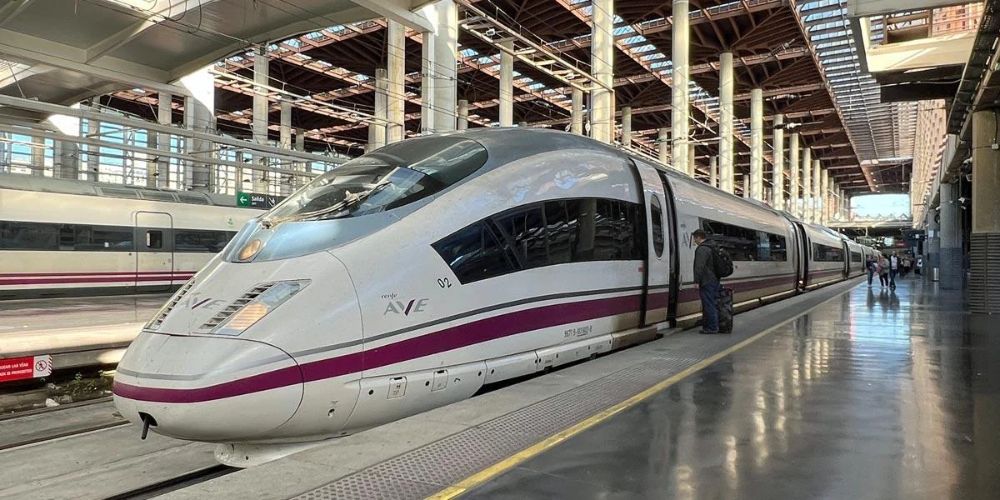
Rail passengers across Spain face disruption on Thursday 29 October after the train drivers’ union Semaf confirmed that a planned 24-hour strike at Renfe will go ahead despite Wednesday’s devastating rail disaster in Toledo. The walkout will affect commuter, regional and long-distance services, with reduced timetables in place across much of the network. The strike was announced nearly two weeks before the collision, but the union says unresolved railway safety concerns mean it will proceed as planned.
The strike begins at 12.01 am on Thursday and continues until 11.59 pm, with approximately 6,000 train drivers across the Renfe group covered by the call to stop work. Semaf confirmed on Wednesday afternoon that it would maintain the action, while expressing its condolences to the victims of the Toledo collision and their families. The union has urged drivers to exercise particular caution and said it is considering further measures to improve railway safety, although it has cautioned against speculation about the cause of the latest disaster.
Which Renfe services will operate during the strike?
Spain’s Ministry of Transport has established minimum service levels intended to maintain essential rail connections during the walkout. These vary according to the type of service, with commuter trains operating at higher frequencies during the morning and evening rush hours. Renfe has confirmed the arrangements in its official announcement of minimum services.
| Rail service | Minimum services |
|---|---|
| Cercanías commuter trains | 75% at peak times; 50% at other times |
| Media Distancia regional trains | 65% |
| AVE and other long-distance services | 73% |
| Freight trains | 26% |
For Cercanías passengers, the designated peak periods are 6.00 am to 9.00 am, 1.30 pm to 3.30 pm and 6.30 pm to 8.30 pm. Outside those hours, half the usual commuter service is expected to operate, although the actual trains available will depend on the timetable published for each route. The minimum service percentages do not mean that every line will operate at exactly the same frequency, so passengers should check their individual journeys before leaving home.
Why are Renfe train drivers going on strike?
Semaf originally announced the walkout on 16 October, arguing that agreements intended to strengthen railway safety had become stalled. The union says progress has been insufficient on several issues, including emergency procedures during severe weather, recruitment of additional drivers, train reliability and support for staff involved in serious incidents. In its original strike announcement, it said negotiations involving the Ministry of Transport, infrastructure manager Adif, the railway safety agency and Renfe had failed to resolve the dispute.
The disagreements follow agreements reached earlier this year after another serious railway accident at Adamuz, in Andalucía. Semaf maintains that technical proposals submitted during subsequent working meetings have not resulted in the changes it considers necessary. The union says the strike is intended to secure implementation of those commitments, rather than to respond directly to Wednesday’s collision in Toledo.
Renfe disputes the union’s account, arguing that it has fulfilled the commitments for which the company itself was responsible. It says several of Semaf’s demands involve regulations or decisions controlled by other authorities, rather than the rail operator, and therefore cannot be resolved by Renfe alone. In a statement issued ahead of the strike, the company defended its safety improvements and criticised the decision to proceed with industrial action that will affect passengers.
Two separate disruptions for rail passengers
Thursday’s strike comes at an exceptionally difficult time for Spain’s railway network, with the Madrid–Andalucía high-speed corridor already disrupted following the collision near Urda, Toledo. That interruption is separate from the industrial action and relates to the emergency response, investigation and work required to restore the affected infrastructure. Passengers travelling between Madrid and destinations including Sevilla, Córdoba and Málaga therefore need to check not only the strike timetable but also whether their route remains suspended following the accident.
The distinction is important because the minimum services guaranteed during a strike do not override a railway closure imposed for safety reasons. A train that would ordinarily be included in the minimum service timetable may still be unable to operate over a section of line that remains closed. Travellers should rely on the latest information from their operator and Adif rather than assuming the published minimum percentages apply to every journey.
What should passengers do if their train is cancelled?
Passengers planning to travel on Thursday should check their booking and train status through the official Renfe website or app before setting out. Those travelling on Cercanías should allow extra time, particularly outside peak periods, while passengers using regional or long-distance services should confirm that their specific train is scheduled to operate. Anyone making an essential journey should also consider whether alternative transport is available, particularly on routes affected by the Toledo railway closure.
If Renfe cancels a service, passengers should check the alternatives offered for their ticket, including rebooking or a refund where applicable. Under European rail passenger rules, cancellation and significant delays can give rise to rights to reimbursement, rerouting or assistance, although compensation depends on the circumstances and applicable conditions. Passengers can consult the European Union’s guidance on rail passenger rights and retain their booking details and any cancellation notifications.
Will the Renfe strike affect Friday’s trains?
The Renfe walkout is scheduled to end at 11.59 pm on Thursday 29 October, and the current strike notice does not extend into Friday. However, some knock-on disruption is possible as trains and staff return to their normal operating schedules, particularly where services have already been affected by the separate Toledo incident. Passengers travelling early on Friday should therefore check for updates rather than assume that all routes will immediately return to normal.
Semaf has also maintained a separate programme of industrial action involving OUIGO, beginning on Friday 30 October, over disagreements with that operator. Those stoppages are distinct from Thursday’s Renfe strike and may affect different services. Travellers using either company should consult their own operator’s announcements for the most relevant information.
Thursday’s action is expected to add further pressure to a railway network already dealing with the consequences of one of Spain’s most serious recent transport disasters. While the union and Renfe remain divided over the progress of safety reforms, passengers face the immediate challenge of planning journeys around reduced services and existing line closures.