 Lorraine Williamson
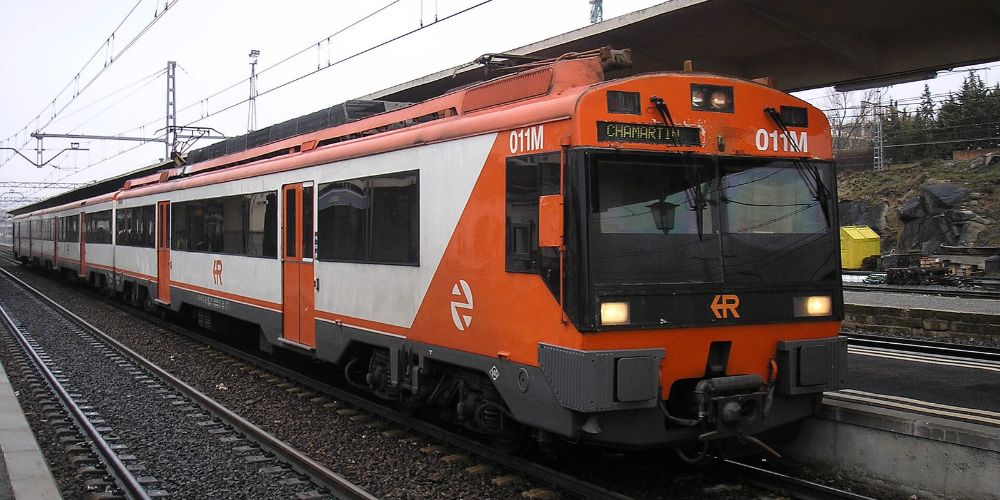
Rail services between Madrid and Ávila remain disrupted on Monday 16 November after a freight train derailed near Zarzalejo during the early hours of Sunday. The accident, believed to have been caused by a rain-related landslip, left the driver with minor injuries and forced the closure of a section of the conventional railway line.
The disruption has continued into the working week, affecting passengers travelling between the Spanish capital and Ávila. Trains cannot operate through the section between Robledo de Chavela and Zarzalejo, while Renfe has arranged replacement buses to help passengers complete their journeys.
According to Adif’s official network information, services on the conventional Madrid–Ávila line remained suspended on Monday morning. Railway staff have been assessing the damage and carrying out the work needed to restore safe operations.
Freight train derailed after heavy rainfall
The accident happened at approximately 3.40 am on Sunday 15 November, when the locomotive of a freight train operated by Captrain came off the tracks near Zarzalejo, in the Community of Madrid. Initial information from railway authorities indicated that earth and debris had fallen onto the line following rainfall in the area.
The driver, who was the only person aboard, suffered back pain and was taken to Puerta de Hierro Hospital in Majadahonda. Emergency services confirmed that his injuries were not considered serious.
The locomotive was subsequently returned to the rails and removed from the affected section on Sunday evening. However, the removal of the train did not mean services could immediately resume, as engineers still needed to inspect and repair the damaged infrastructure.
Replacement buses for Madrid–Ávila passengers
Renfe has introduced alternative road transport between El Escorial and Robledo de Chavela while the railway remains closed. The arrangement is intended to maintain connections for passengers using regional services between Madrid and Ávila.
The suspended railway section is between Robledo de Chavela and Zarzalejo, although the replacement bus route covers a different section of the journey. Passengers should therefore check their individual services before travelling rather than assume that normal train connections are operating.
Those planning to use the route can consult Renfe’s official website for journey information, and Adif’s network status updates for the latest infrastructure restrictions.
Engineers working to restore railway services
Adif has been inspecting the affected section to establish the extent of the damage and determine what repairs are required. The initial assessment linked the derailment to a landslip caused by rainfall, although the full circumstances of the accident remain subject to technical examination.
Transport Minister Carlos Cuerpo said on Monday that work and visual inspections were under way, intending to reopen the less affected track during the day if safety conditions allowed. Such a reopening would permit a gradual return of regional passenger and freight services, rather than an immediate restoration of the full timetable.
Adif has not confirmed when normal services will resume. Engineers are repairing the damaged track and the embankment affected by the landslip, with the possibility of reopening one track later on Monday if safety checks allow. Until then, passengers face continued disruption and replacement bus journeys.
Spain train strike dates
What passengers should know before travelling
Passengers have reported delays of approximately an hour on services travelling through Ávila, alongside difficulties purchasing tickets online. Renfe’s booking system has displayed messages indicating that some trains are temporarily unavailable for sale. Travellers should check their journey directly with Renfe before leaving home.
Passengers travelling between Madrid and Ávila should allow additional time and check whether their service is affected by the closure. Replacement buses may involve different boarding arrangements and longer journey times, particularly when connections with onward trains are required.
There is not yet a confirmed time for the full restoration of normal services. Adif’s technical inspections and repairs will determine when trains can safely return to the affected section, with passengers advised to follow official updates before setting out.