 Lorraine Williamson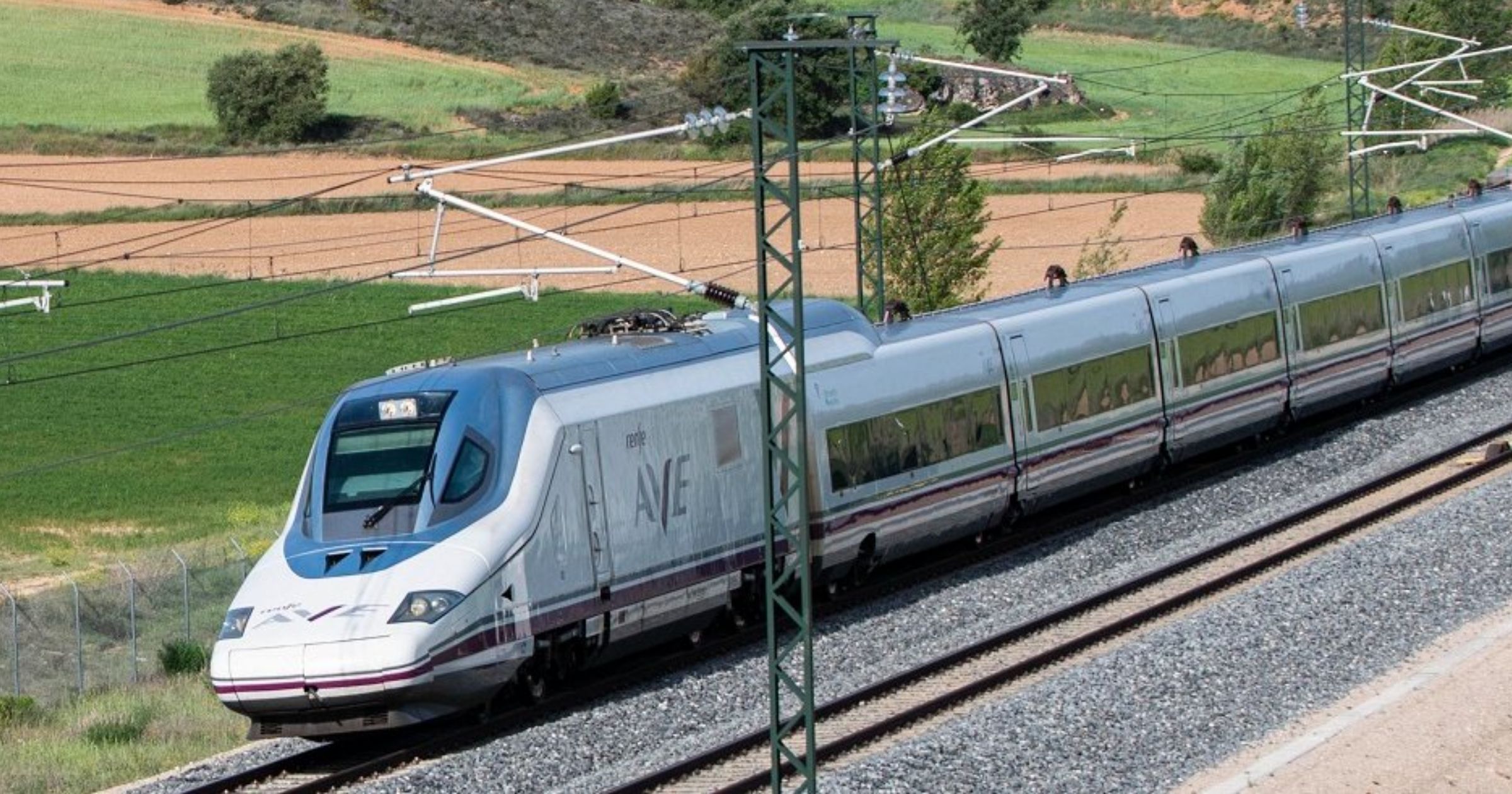
High-speed trains between Madrid and Seville have resumed after an overnight disruption caused by a fallen power cable that damaged rail infrastructure in Andalucia.
Adif said the Madrid–Andalucia high-speed line was available again after emergency work to repair damage between Sevilla-Santa Justa and Guadajoz. However, passengers were warned that services may take time to return fully to normal after the interruption.
The incident affected the Madrid–Seville high-speed corridor, one of Spain’s most important train routes, as well as Media Distancia and Cercanías services in the area.
What happened on the Madrid–Seville line?
The disruption began on Tuesday evening after a high-voltage cable fell onto Adif’s rail infrastructure near La Rinconada, in the province of Seville. Adif said the lack of electrical supply and damage to the overhead catenary were caused by a cable that was not owned by Adif.
Cadena SER reported that the incident happened at around 7.47 pm on Tuesday and caused a fire on the track, which was put out by firefighters. It led to the suspension of train traffic between Sevilla-Santa Justa and Guadajoz.
The cable was reported to belong to Endesa, with technicians from the electricity company and Adif working overnight to remove it and repair the damage.
Services restored after overnight repairs
Adif confirmed on Wednesday that the affected infrastructure had been repaired and that the Madrid–Andalucia high-speed line was again available for trains.
RTVE reported that circulation was restored after around 10 hours of interruption, following night-time repair work by Adif and Endesa teams. However, the return of the line does not always mean every train immediately runs to schedule.
When a major route is stopped overnight, delays can continue because trains, crews and passengers may all be out of position. Operators may also need time to reorganise services and deal with passengers affected by cancellations or missed connections.
Anyone travelling between Madrid, Seville, Córdoba, Málaga or other Andalucian destinations should check the status of their train before going to the station.
Which passengers were affected?
The Madrid–Seville line is part of the wider high-speed corridor linking the capital with Andalucia.
That means disruption can affect more than passengers travelling only between Madrid and Seville. Depending on the route and operator, knock-on effects can also reach services connected with Córdoba, Málaga, Granada and other Andalucian destinations.
The incident also affected some Media Distancia and Cercanías services in the Seville area, according to Spanish media reports.
Europa Press reported that circulation on the high-speed line between Madrid and Seville had been restored on Wednesday morning after the fault was repaired.
Why a single cable can stop a high-speed line
Spain’s high-speed rail network relies on overhead electrical systems to power trains and infrastructure.
When a cable falls onto the catenary, the impact can cause power loss, structural damage and safety risks. Repair teams usually need the area to be made safe before they can remove the cable, inspect the infrastructure and restore the electrical supply.
That can take time, especially if the incident happens in the evening or close to busy service times.
In this case, Adif said the fallen cable was not part of its own infrastructure, which makes the incident different from internal rail failures such as signalling faults, train breakdowns or Adif-owned power faults.
Travellers in Spain
The disruption comes during a busy travel period, with Spain experiencing its first major heatwave of the summer and many people moving around the country for work, holidays, family visits and the end of the school term.
Long train delays in very hot weather can be especially difficult for families, older travellers, people with health conditions and anyone needing to make onward connections.
Passengers affected by cancellations or significant delays should keep their booking details, check messages from their operator and look at the company’s passenger-rights information.
High-speed services on this corridor are operated by different companies, including Renfe and other operators on some routes. Conditions for refunds, exchanges or compensation can vary depending on the ticket and operator.
What passengers should do
Passengers due to travel today should check directly with their train operator before leaving for the station. They should also check Adif’s network status, station screens and official operator apps, especially if travelling through Madrid, Seville, Córdoba or Málaga.
If a train is delayed or cancelled, passengers should keep proof of the disruption and avoid deleting emails, app notifications or SMS updates from the operator. These may be useful if they need to request compensation or change their journey.
Travellers making connections should leave extra time where possible.
A reminder to check live rail updates
Spain’s high-speed trains are usually one of the most reliable ways to travel between Madrid and Andalucia, but incidents on major corridors can affect thousands of passengers very quickly.