 Lorraine Williamson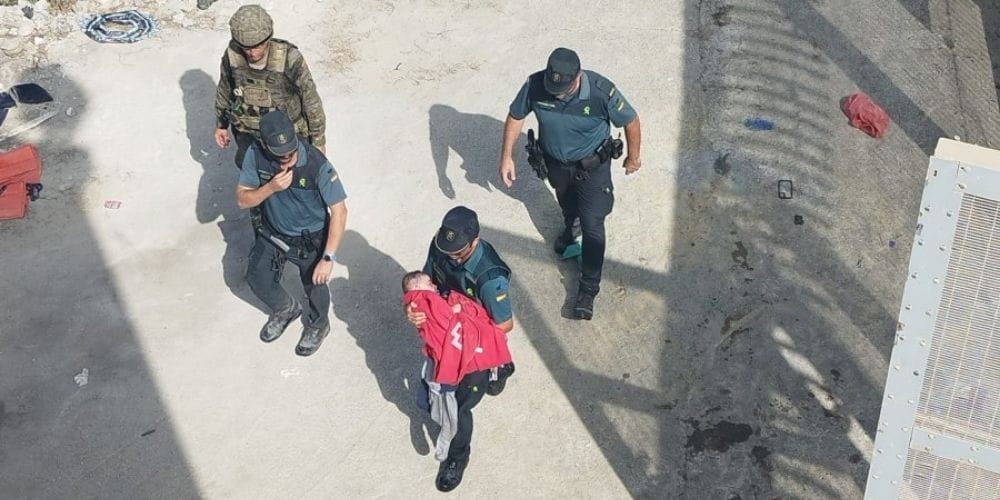
Although mass border crossings have subsided, the emergency is far from over. Reception facilities in Ceuta continue to care for thousands of migrants who remain in the city. Meanwhile, Spanish authorities face the additional challenge of supporting hundreds of unaccompanied children whose cases require separate legal and welfare procedures. As Europe looks beyond the immediate crisis, attention is shifting from emergency response to long-term migration policy.
European Commission President Ursula von der Leyen said the vast majority of those who entered Ceuta had returned to Morocco following what she described as effective cooperation between Spanish and Moroccan law enforcement. She also stressed that nobody had reached mainland Spain or the rest of the European Union, directly challenging claims that the crossing opened an unrestricted route into Europe. In a statement published on 1 August, she said the crisis showed why external border controls matter, while arguing that the system must still be strengthened through closer coordination, greater vigilance and a formal review of lessons learned.
Her plans include enhanced border management in Ceuta and Melilla, improved early-warning systems, closer operational cooperation and increased technical and financial assistance for Morocco, which Brussels considers a key partner in managing irregular migration and tackling organised people-smuggling. According to Reuters, the proposals form part of a wider strategy to reinforce the European Union’s southern border following the events in Ceuta.
A humanitarian challenge continues
While political attention has turned towards Brussels, the humanitarian consequences remain visible in Ceuta itself.
Thousands of migrants are still being accommodated in temporary reception facilities as authorities continue processing arrivals and assessing individual cases. Particular concern surrounds unaccompanied minors, who fall under Spain’s child protection system and cannot simply be returned alongside adult migrants. Local services remain under considerable pressure despite the sharp reduction in new arrivals. According to Reuters, officials say the city continues to face significant logistical and humanitarian challenges as recovery efforts continue.
Five priorities for future cooperation
In her letter to Spanish Prime Minister Pedro Sánchez, Von der Leyen identified five areas where the European Union should strengthen its response. They include deeper cooperation with neighbouring countries, stronger protection of external borders, better early-warning systems to identify emerging migration pressures, tougher action against organised trafficking networks and more effective return procedures for people with no legal right to remain in Europe.
The European Commission also highlighted the role that agencies such as Frontex and Europol could play in supporting member states facing sudden migration pressures. According to Cadena SER, the proposals are intended to strengthen cooperation while ensuring a coordinated European response to future border emergencies.
Ceuta reshapes the European debate
The events in Ceuta have become one of the first major challenges facing the European Union’s new Migration Pact and have reignited debate over how the bloc should protect its external borders while balancing humanitarian responsibilities.
European interior ministers are expected to discuss the lessons from the crisis later this week, with migration cooperation, border security and future support for frontline member states all expected to feature prominently on the agenda.
Looking beyond the immediate crisis
Although the immediate emergency has eased, the political and humanitarian consequences continue to evolve.
The European Commission’s proposals suggest that attention is now moving beyond the events in Ceuta itself towards a broader review of how Europe responds to large-scale migration emergencies. For Spain, Morocco and the wider European Union, the decisions taken in the coming weeks could shape border policy and migration cooperation for years to come.