 Lorraine Williamson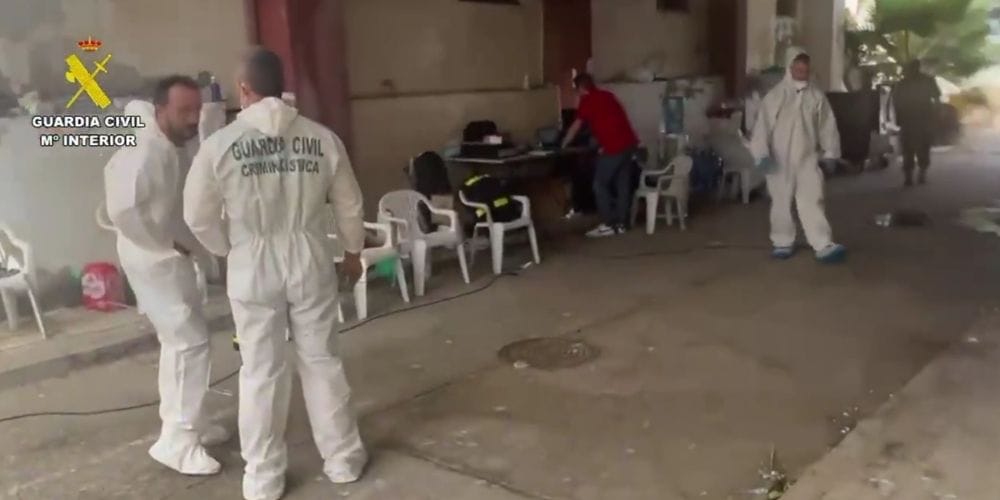
Authorities have confirmed that additional bodies have been recovered over the weekend, pushing the number of confirmed deaths to at least 72. The revised figure comes as emergency services continue operations along the coastline and investigations into the circumstances surrounding the tragedy remain ongoing.
While the immediate border emergency has eased, the humanitarian impact continues to unfold. Thousands of migrants have already returned voluntarily to Morocco following the mass crossing, leaving local authorities to focus on those still requiring shelter, medical treatment and immigration processing. According to Reuters, more than 1,000 people received medical attention during the crisis, with many treated for exhaustion, dehydration and injuries sustained during the crossing.
The scale of the incident has left a profound mark on Ceuta, where residents are beginning to return to daily life while mourning those who lost their lives. Schools, sports facilities and public buildings used as temporary reception centres are gradually returning to normal operations as emergency accommodation is reduced.
Recovery operation continues
Spanish and Moroccan authorities continue working together to recover victims and investigate exactly what happened during one of the largest migrant movements ever recorded at the enclave.
Although the floating barrier installed earlier this weekend remains in place and border security has been reinforced, officials say their immediate priority is completing recovery efforts while ensuring those who remain in Ceuta receive appropriate humanitarian assistance. According to The Associated Press, the majority of those who crossed have now returned to Morocco, easing pressure on local services.
Political debate continues
The crisis continues to dominate political discussion in Spain and across Europe.
An extraordinary meeting of European Union interior ministers is expected this week to discuss the events in Ceuta, future cooperation with Morocco and wider measures to strengthen the EU’s external borders. Migration policy, border security and humanitarian responsibilities are all expected to feature prominently in the discussions.
Meanwhile, political demonstrations and counter-demonstrations have taken place in Ceuta over the weekend, reflecting growing divisions over how Spain and the European Union should respond to future migration pressures. Local leaders have appealed for calm and warned against actions that could inflame tensions within the city’s diverse communities. According to Reuters, authorities are keen to prevent the humanitarian crisis developing into a wider social conflict.
A city looking beyond the emergency
Although the immediate crisis appears to be over, the consequences are likely to be felt for months.
The recovery operation continues, investigations into the deaths remain under way and European leaders are preparing for fresh discussions over migration policy. For Ceuta itself, attention is now shifting from managing an unprecedented border emergency to supporting a community coming to terms with one of the darkest episodes in its recent history.