 Lorraine Williamson
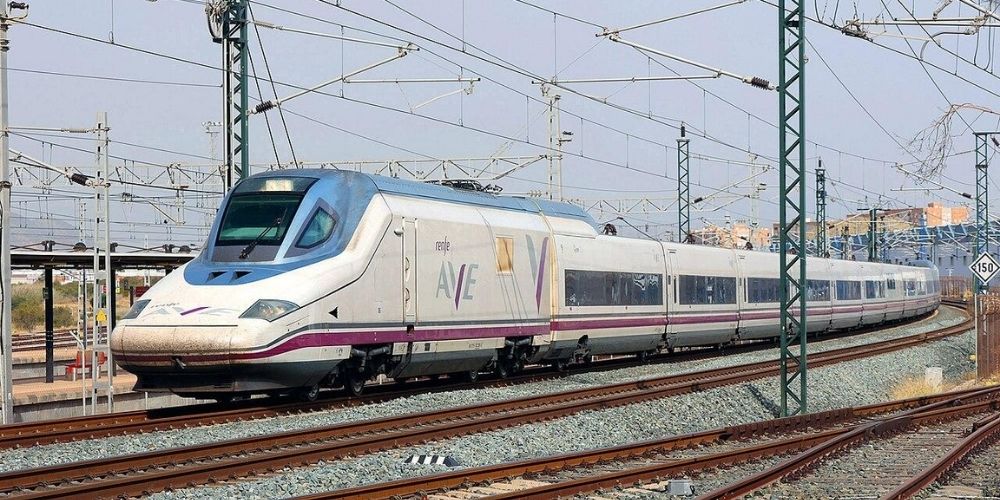
Passengers travelling between Madrid and Andalucía face continued disruption on Thursday 29 October following Wednesday’s devastating train collision near Urda, Toledo, which forced the closure of the high-speed railway corridor. Renfe has announced alternative services and free ticket changes or cancellations, while airlines and coach operators are increasing capacity to help stranded travellers. With a separate 24-hour Renfe drivers’ strike also taking place today, passengers are being urged to check their journeys carefully before setting out.
The closure affects one of Spain’s busiest long-distance rail corridors, connecting Madrid with Córdoba, Sevilla, Málaga and other destinations across Andalucía. Infrastructure manager Adif confirmed that high-speed services were suspended following the collision between a Renfe AVE and an Iryo train, with emergency operations and investigations continuing at the scene. Although some unaffected sections of the railway remain operational, there is currently no confirmed date for the reopening of the complete Madrid–Andalucía route, according to Adif’s official network information.
Renfe announces alternative travel arrangements
Renfe has introduced special conventional rail services connecting Madrid, Ciudad Real and Puertollano in both directions, allowing passengers to travel without using the affected high-speed section. These services take approximately 90 minutes longer than the normal journey, although passengers should allow additional time for connections and possible disruption. The operator has also announced that a broader alternative transport plan for passengers travelling between Madrid and Andalucía will begin on Friday 30 October.
In its official announcement on the Toledo accident and passenger arrangements, Renfe said it was finalising the routes, schedules and services available under the new plan. Full details had not yet been published in the announcement available on Thursday morning, meaning passengers should not assume that replacement transport will operate at the same times as their original trains. The company has promised to provide updated information through its official channels as soon as arrangements are confirmed.
Special train services between Madrid and Ciudad Real
Renfe has published the following departure times for its special conventional rail services. These are the announced schedules, but today’s strike may affect individual departures, so passengers should confirm availability directly with Renfe before travelling.
| Route | Departure times |
|---|---|
| Madrid Puerta de Atocha → Ciudad Real / Puertollano | 08:00, 10:30, 12:00, 14:00, 16:30, 18:00, 20:00, 22:30 |
| Ciudad Real → Madrid | 07:15, 09:00, 11:00, 13:30, 15:00, 17:00, 19:30, 21:00 |
| Puertollano → Madrid | 04:45, 06:45, 08:15, 10:00, 12:00, 15:30, 18:15, 20:15 |
These services are intended to provide essential connections while the high-speed route remains unavailable. They should not be mistaken for a complete replacement timetable between Madrid and Sevilla or Málaga, as the wider alternative transport arrangements are still being finalised. Travellers with existing reservations should confirm how their tickets can be used before boarding.
Airlines and coach operators increase capacity
Airlines have responded to the sudden loss of high-speed rail connections by adding seats and flights between Madrid and Andalucía. Iberia has announced additional capacity on its Madrid–Málaga and Madrid–Sevilla routes, while Air Europa has also introduced extra services to help accommodate demand. According to RTVE’s report on alternative transport, Iberia has added 520 seats and introduced a maximum economy fare of €99 per journey on affected Madrid–Andalucía routes until 8 November, subject to availability.
Coach operators have also increased capacity as passengers search for alternatives to rail travel, particularly on routes connecting Madrid with Andalucía’s principal cities. Spain’s coach industry association Confebus told RTVE that some operators had increased the number of available seats fivefold, although demand was already placing pressure on availability. Travellers should book directly with established operators and check departure points carefully, as coach stations may be some distance from the railway stations they originally intended to use.
Today’s Renfe strike adds to the disruption
The situation is further complicated by the nationwide Renfe drivers’ strike taking place throughout Thursday 29 October. The 24-hour stoppage affects commuter, regional and long-distance services, with minimum service levels of 75% during peak commuter periods, 50% outside those hours, 65% for Media Distancia and 73% for high-speed and long-distance trains. These percentages are national minimum service arrangements rather than guarantees that particular trains will operate.
Renfe has warned that some services may experience alterations even where they are included in the minimum service programme, and has advised passengers to travel only when essential on affected routes. The operator explains the arrangements in its official strike notice. Importantly, the strike and the Madrid–Andalucía line closure are separate events: a train cannot operate over a closed section of railway merely because it is included in the strike’s minimum service timetable.
What happens if you already have a train ticket?
Passengers booked on services cancelled because of the Toledo collision can request a free change or cancellation through their rail operator. Renfe has confirmed that it is allowing affected customers to modify or cancel reservations without additional charges, while Iryo and OUIGO have also announced arrangements for passengers whose services cannot operate. Travellers should contact the company named on their ticket rather than assume that all three operators have identical procedures.
European passenger-rights rules also provide protection when rail services are cancelled or significantly delayed, including rights relating to reimbursement, alternative transport and assistance in qualifying circumstances. However, the exact remedies available depend on the disruption, the operator’s proposed arrangements and the circumstances of the journey. RTVE’s explanation of passenger rights following the accident outlines the main options, while travellers can consult the European Commission’s passenger-rights guidance for the applicable rules.
Which railway routes are still operating?
Although the principal Madrid–Andalucía high-speed corridor remains closed, the disruption does not mean that every high-speed railway service in southern Spain has stopped. Adif has confirmed that the Madrid–Toledo and Málaga–Sevilla high-speed sections remain operational, although passengers must still check whether their intended service is running and whether connections are available. Services on unaffected routes elsewhere in Spain may also be disrupted by Thursday’s separate strike.
For passengers travelling between Madrid and Andalucía, the most important point is that normal through high-speed services cannot resume until the affected infrastructure has been cleared and declared safe. There is no official reopening date, and booking restrictions imposed by individual operators should not be interpreted as a confirmed timetable for restoring the railway. Further announcements are expected as the emergency response, investigation and infrastructure assessment progress.
Where can passengers check the latest information?
The most reliable starting point is the operator responsible for the original booking, particularly for passengers travelling today or over the coming weekend. Renfe is publishing updates through Renfe.com, while customers travelling with Iryo or OUIGO should consult their respective websites and booking notifications. Adif’s network status page provides information about infrastructure closures and major incidents.
Travellers should check their journeys again shortly before departure, even if they have already received a replacement booking or an alternative itinerary. With emergency recovery work continuing and the nationwide strike affecting rail operations, further timetable adjustments remain possible. Renfe’s broader Madrid–Andalucía replacement transport plan is due to begin on Friday, making the publication of its detailed routes and departure times the next important update for passengers.
Renfe strike to go ahead on Thursday despite train tragedy