 Lorraine Williamson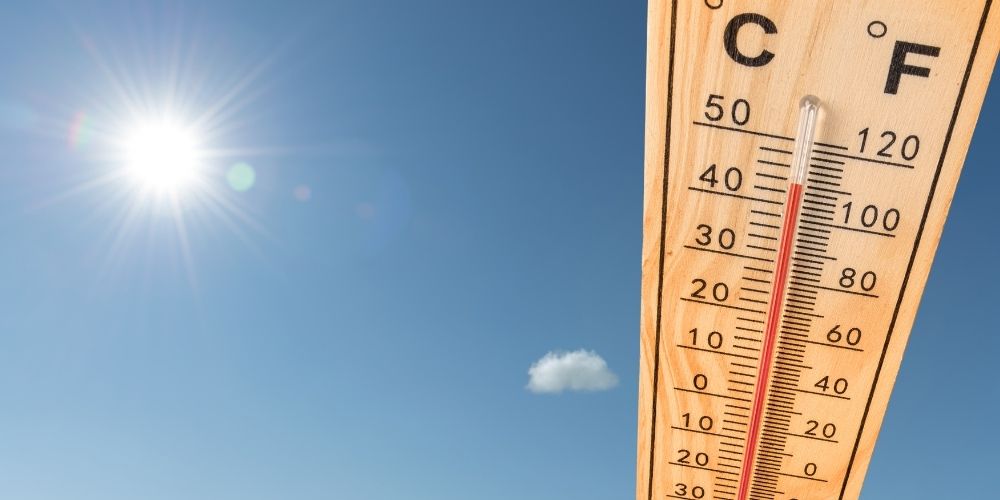
Spain has started July under fresh weather warnings, with high temperatures, strong winds and coastal conditions affecting several parts of the country on Wednesday. The first day of the month brings a familiar summer pattern: intense inland heat, uncomfortable afternoons, and the need for extra care during travel, work and outdoor plans.
According to AEMET, high temperatures have put parts of Andalucía, Castilla y León, Castilla-La Mancha, Catalonia, Extremadura and the Community of Madrid on alert. Warnings are also in place for coastal conditions in the Balearic Islands, Catalonia and Galicia, while Aragón faces warnings for wind.
Andalucía and Extremadura face the highest heat warnings
The most severe heat warnings today are in parts of Andalucía and Extremadura, where orange alerts have been activated. In Andalucía, AEMET has issued orange warnings for high temperatures in Córdoba, Huelva, Jaén and Sevilla, where maximum temperatures may reach around 41ºC. Cádiz is under a yellow warning for heat.
Extremadura is also among the areas most affected by the heat. AEMET’s warning system shows high-temperature alerts for parts of the region, including the Vegas del Guadiana area in Badajoz, where maximum temperatures may reach around 40ºC.
The heat is not confined to the south-west. Warnings extend across central and eastern inland areas, with parts of Castilla-La Mancha, Castilla y León, Catalonia and Madrid also affected by high temperatures. In Madrid, AEMET expects maximum temperatures to exceed 36ºC in the centre and south of the region, and 34ºC in lower parts of the Sierra.
Wind and waves add to the weather picture
Although heat is the main concern, it is not the only weather risk today. AEMET has warnings for waves in parts of the Balearic Islands, Catalonia and Galicia, while Aragón faces wind warnings, including gusts that may reach around 70 km/h in the Ribera del Ebro area of Zaragoza.
The mix of heat, dry conditions and wind can also raise concern around forest fire risk, particularly in regions where vegetation is already under summer stress. AEMET introduced a new Forest Fire Danger Index this year, designed to take account of key meteorological factors including temperature, humidity, wind and recent rainfall.
Residents and visitors should check local restrictions before lighting barbecues, using machinery in rural areas, parking on dry grass or walking in forest zones. In hot, dry and windy conditions, small sparks can become serious incidents quickly.
Hotter than normal start to July
The current warnings come after a period of unusually high temperatures in Spain and ahead of a summer that is expected to remain warmer than normal. AEMET’s seasonal outlook for July, August and September 2026 says there is a very high probability that average temperatures will fall within the warmest tercile across Spain. Source
That does not mean every day will be extreme, but it does suggest that residents and holidaymakers should prepare for a summer in which heat episodes may be frequent, prolonged or uncomfortable, particularly in inland areas and during the warmest part of the day.
For people newly arrived in Spain, the danger is often underestimated. A temperature of 38ºC or 40ºC can feel very different depending on humidity, shade, housing, working conditions, medication, age and whether the body has had time to acclimatise.
Who is most at risk?
Spain’s Ministry of Health activates its heat prevention plan during the summer months, with particular concern for babies, children, older people, people with chronic illness, people who live alone, pregnant women, outdoor workers and those taking certain medications.
Heat can cause dehydration, exhaustion and heatstroke. It can also worsen existing heart, respiratory or kidney conditions. The risks increase when people are exposed for long periods, work outdoors, drink alcohol, travel without enough water, or remain in homes that do not cool down overnight.
Protection Civil advises people to limit exposure to the sun, stay in well-ventilated places, eat light meals rich in water and mineral salts, drink fluids regularly, wear light-coloured clothing that covers the skin, avoid prolonged exercise during the central hours of the day, and check on older or vulnerable people who may be alone.
Practical steps for residents and visitors
The most important advice is simple: do not wait until you feel unwell before slowing down. Drink water before you feel thirsty, avoid unnecessary errands in the hottest hours, and move outdoor exercise, dog walks or heavy work to early morning or late evening.
At home, keep blinds or shutters closed during the strongest sun, ventilate when the outside air is cooler, and use fans or air conditioning safely. In homes without air conditioning, spending part of the day in a cooler public space can make a real difference.
Drivers should also take care. Heat can increase fatigue, dehydration and impatience, especially during longer journeys. Keep water in the car, never leave children, older people or pets inside a parked vehicle, and allow extra time for travel if temperatures are high or weather warnings are active.
Pets and outdoor workers
Pets are also at risk during hot weather. Dogs should be walked early or late, never forced to exercise in the heat, and kept away from hot pavements that can burn their paws. Shade, water and a cool place to rest are essential.
Outdoor workers face a different kind of risk because they may not be able to avoid the hottest parts of the day. Employers and workers should pay close attention to breaks, shade, hydration, work intensity and early signs of heat stress.
Check AEMET updates
Weather warnings can change during the day, so residents and visitors should check the latest AEMET alerts for their province before travelling or making outdoor plans. Coastal conditions, wind and heat can vary sharply from one area to another, especially between inland valleys, mountain areas and the coast.
The key message for Wednesday is not panic, but planning. July has begun with heat alerts in several regions, and the safest approach is to treat high temperatures as a real weather risk, not just an ordinary part of summer in Spain.
Tips on how to stay cool in Spain when it is hot