 Lorraine Williamson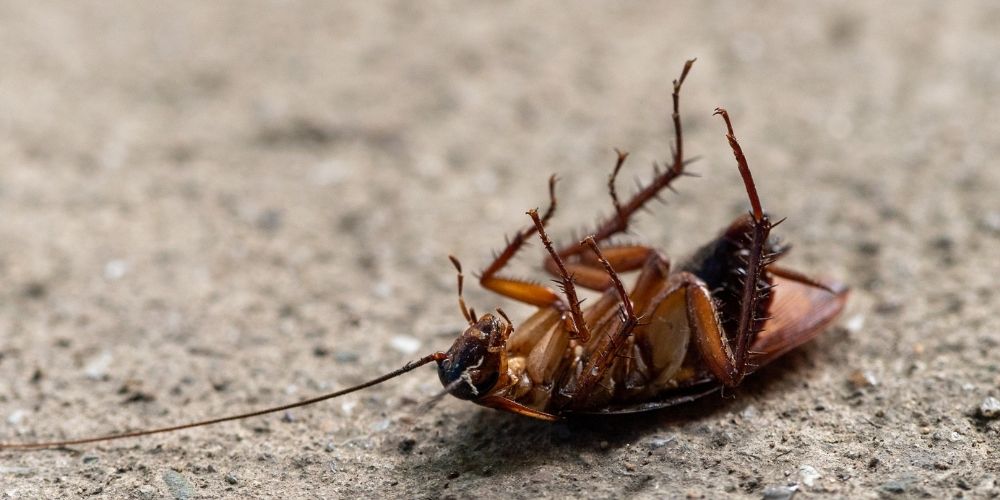
Warm evenings, open windows, terraces, and outdoor meals are part of summer life in Spain. But so too, for many households and businesses, is the unwelcome return of cockroaches — and experts warn they are becoming harder to control as heat, humidity and resistance to common treatments combine.
The issue is already prompting local action. In Cáceres, the city council has intensified summer pest-control work across the public sanitation network, with shock treatments aimed at preventing the spread of cockroaches and rodents during the months when high temperatures increase their activity.
Heat helps cockroaches multiply
Cockroaches thrive in warm, damp places with access to food, water and shelter. That makes kitchens, bathrooms, garages, drains, terraces, communal areas and commercial premises especially attractive during the hottest months of the year.
Spain’s National Association of Environmental Health Companies, ANECPLA, has warned that rising temperatures and longer warm seasons favour cockroach proliferation by accelerating their life cycle. According to the association, once temperatures rise above around 28ºC, cockroaches and many other insects can reproduce more quickly.
That matters because a small problem can become a much bigger one if it is not dealt with early. Eggs hatch faster, young cockroaches develop more quickly, and hidden colonies can grow out of sight before people realise they have more than the occasional stray insect.
The species most often seen in Spain
Several cockroach species are found in Spain, but ANECPLA identifies three as among the most common in urban settings: the German cockroach, the Oriental cockroach and the American cockroach.
The German cockroach is often associated with indoor spaces, particularly kitchens, food-handling areas and warm, sheltered corners. The larger American cockroach is commonly linked to drains, sewers and damp areas, and may enter buildings from outside or through sanitation systems.
This is one reason why seeing one cockroach does not always tell the full story. The visible insect may only be the part of the problem that has emerged from a much larger hiding place.
Why sprays do not always solve the problem
Many people’s first reaction is to reach for a spray. But experts say cockroach control is becoming more complicated because some populations have developed resistance or behavioural avoidance that makes conventional products less effective.
ANECPLA has warned that cockroaches have undergone genetic changes in recent years, with many becoming resistant to biocides traditionally used to control them. The association says this makes professional diagnosis and targeted treatment increasingly important when there is a real infestation.
Scientific research has also examined behavioural resistance in German cockroaches. A 2024 review describes glucose aversion, where some cockroaches avoid glucose-containing baits because their taste system treats glucose as bitter rather than attractive.
That does not mean every cockroach in Spain is a so-called “super cockroach”. It does mean that repeated, badly targeted or incomplete treatments can fail, especially if food, moisture and hiding places remain available.
Should you step on a cockroach?
It may be the first instinct, but stepping on a cockroach is not the best long-term answer. Killing one insect does not remove the conditions that attracted it, nor does it deal with the colony if there is one nearby.
There is also a hygiene issue. Cockroaches can contaminate food and preparation areas after moving through rubbish, drains or sewers, and their droppings and body parts can affect people with asthma or allergies.
If you do squash one, remove it immediately with kitchen paper or a tissue, throw it away safely, and clean the area afterwards. If cockroaches are appearing regularly, the priority should be finding where they are entering, hiding or feeding.
Prevention starts with food, water and gaps
The most effective prevention is still basic but consistent: remove food sources, reduce moisture and block access points. That means not leaving food scraps or pet food out overnight, keeping rubbish bins sealed, cleaning beneath appliances, repairing leaks, and sealing cracks, gaps and pipe openings where possible.
ANECPLA also recommends maintaining cleanliness, avoiding food and waste build-up, fixing water leaks and damp areas, sealing holes and cracks, keeping storage areas tidy, using bins with tight-fitting lids, and arranging periodic maintenance by environmental health professionals where needed.
For apartment blocks and urbanisations, individual action may not be enough if the source is in communal drains, basements, garages or shared waste areas. In those cases, residents, administrators and pest-control services may need to coordinate action so the problem is not simply pushed from one space to another.
When to call a professional
A one-off sighting may not mean there is an infestation. But repeated sightings, cockroaches seen during the day, droppings, egg cases, a musty smell or insects appearing in kitchens and bathrooms can all suggest a larger problem.
Professional pest controllers usually use an integrated approach. They identify the species, locate hiding places, remove food and moisture sources, advise on hygiene and structural fixes, and apply gel baits or other products in targeted areas rather than simply spraying everywhere.
That approach is increasingly important as heat extends the active season and some cockroach populations become more difficult to treat. In Spain’s summer climate, the earlier the source is found, the easier the problem is likely to be controlled.
What to watch this summer
Cockroaches are not a sign that a home or business is automatically dirty. They are opportunistic, and summer gives them many of the conditions they need.
But food left out, open bins, damp corners, leaking pipes, cracks around walls or drains, and poorly maintained communal areas can all make the problem worse. With hotter summers and more resistant populations, prevention is no longer just a matter of comfort. It is part of basic household and public-health hygiene.