 Lorraine Williamson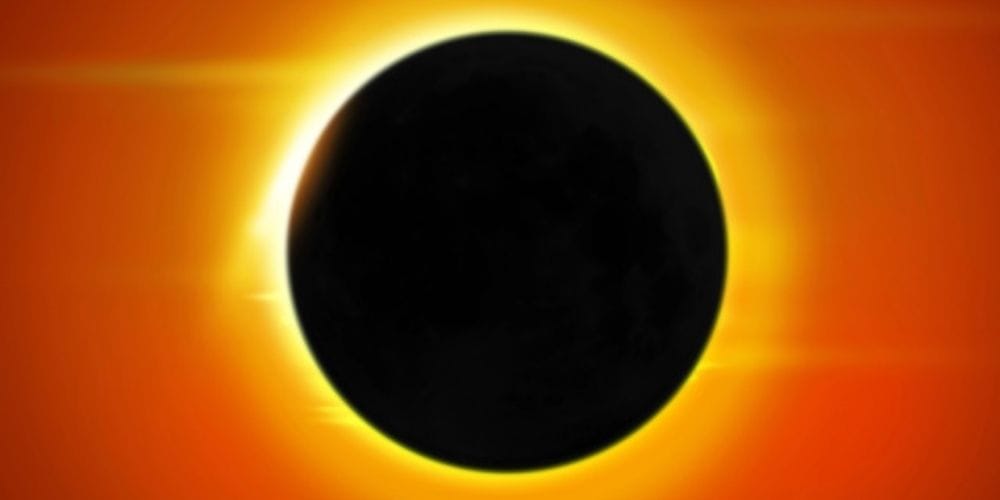
Spain’s traffic authority has warned that the total solar eclipse on Wednesday 12 August could generate between 400,000 and 1.5 million additional road journeys, as people travel towards areas offering the best views of the event.
The eclipse will coincide with one of the busiest periods of the summer holiday season. The Dirección General de Tráfico expects traffic towards the path of totality to increase by between 30% and 100%, placing particular pressure on secondary roads and access routes to popular observation points.
Although people may arrive at viewing areas gradually throughout the day, the DGT is particularly concerned about the return journey. Large numbers of spectators are likely to leave at approximately the same time once the eclipse has ended, potentially causing lengthy queues on roads with limited capacity.
Other risks include vehicles stopping unexpectedly on the carriageway or hard shoulder, drivers becoming distracted while looking at or photographing the eclipse, and pedestrians gathering beside roads near viewing areas.
The DGT is advising motorists to organise both their journey and their viewing plans well in advance. Its full road safety guidance for the eclipse includes advice on choosing suitable observation areas, checking road conditions and avoiding unnecessary travel.
Avoid travelling further than necessary
The eclipse will be visible throughout Spain, although the extent of the Sun covered by the Moon will vary according to location.
The Instituto Geográfico Nacional says totality will cross much of the northern half of the peninsula from west to east, passing through areas including A Coruña, León, Bilbao, Zaragoza and València before reaching the Balearic Islands. Southern parts of mainland Spain will experience a partial eclipse.
Where the event can be seen clearly from home or a nearby municipality, the DGT recommends avoiding a long journey. Travelling to the place with the longest possible period of totality is not essential to experience the phenomenon and could contribute to severe congestion.
People can use the IGN’s official eclipse information and location tables to check how the event will appear from individual municipalities.
Choose an authorised viewing area
Anyone who does travel should use an authorised or designated observation area with suitable access and sufficient parking.
The DGT advises against relying on improvised locations beside secondary roads or in areas with limited capacity. These sites could quickly become congested if large numbers of vehicles arrive within a short period.
Before leaving, visitors should check access arrangements, parking availability, opening times and whether public transport is available. They should also consult the latest road and weather information through official channels.
Local and regional authorities may introduce temporary traffic controls around the busiest viewing areas. Drivers must follow police instructions, temporary signs and messages displayed on electronic information panels.
Never stop on a hard shoulder to watch
Stopping on the carriageway or hard shoulder to observe the eclipse is strictly prohibited.
Drivers must leave the road completely and park only in a designated area or another place where parking is legally permitted. Slowing suddenly or pulling over at the last moment could place other road users at serious risk.
The DGT says motorists must not look directly at the Sun while driving or attempt to take photographs or videos from behind the wheel. Mobile phones, cameras and other devices should not be handled while the vehicle is moving.
Eclipse glasses must not be worn while driving. They block almost all ordinary light and make it impossible to see the road safely.
Drivers should increase their distance from the vehicle ahead, adapt their speed to conditions and remain alert for pedestrians and cyclists near observation areas.
Check the route before leaving
Motorists should check road conditions before beginning their journey and continue monitoring official traffic information where possible.
The DGT provides live information through its traffic map, variable message signs, radio bulletins and official social media channels. Travellers should also check the latest weather forecast, particularly when heading towards rural, coastal or mountainous observation points.
People planning to travel into the countryside should be aware of possible road restrictions linked to wildfires, local events or overcrowding. They should never attempt to pass barriers or ignore instructions from police, firefighters or Civil Protection teams.
Public transport should be used wherever practical. Those travelling by car are advised to arrive early rather than heading towards a popular viewpoint shortly before the eclipse begins.
Expect congestion after the eclipse
The end of the eclipse could create the most difficult traffic conditions of the day.
Thousands of vehicles may leave observation sites simultaneously, causing bottlenecks on access roads and nearby secondary routes. The DGT recommends delaying the return journey where possible rather than joining traffic immediately.
Drivers should allow additional time, carry drinking water and be prepared for queues. Vehicles should also be checked before departure, particularly tyres, coolant and fuel or battery levels.
The DGT has already included special traffic management measures for the eclipse in its 2026 road regulation plans. These cover roads in Aragón, Asturias, Castilla-La Mancha, Castilla y León, La Rioja, the Balearic Islands and the Comunidad Valenciana, although additional local controls may be introduced elsewhere if conditions require them.
Details of the measures are available in the DGT’s 2026 special traffic regulations.
Protect your eyes once safely parked
The eclipse should only be observed after the vehicle has been parked safely and everyone has moved away from active traffic.
The Instituto Geográfico Nacional warns that looking directly at the Sun can permanently damage the retina without causing immediate pain. Ordinary sunglasses, photographic film, CDs, smoked glass and other homemade filters do not provide adequate protection.
Purpose-made eclipse glasses should be bought from a reliable supplier and checked for scratches, holes or other damage before use. Cameras, binoculars and telescopes require correctly fitted specialist solar filters; eclipse glasses alone are not sufficient when looking through optical equipment.
Official advice is available through the IGN’s safe eclipse viewing guide. Spain’s Ministry of Health has also warned that unsuitable viewing can cause potentially irreversible retinal damage.
A rare event during Spain’s busiest season
The 12 August eclipse will be the first total solar eclipse visible from mainland Spain in more than a century. The IGN says it will be total across almost all of the northern half of the peninsula and partial further south.
Because the event will occur close to sunset, observers will need a clear view towards the western horizon. The exact timing, duration and height of the Sun will differ considerably between locations.
The combination of a rare astronomical event, peak August tourism and large numbers of people travelling towards unfamiliar rural areas presents an unusual challenge for the road network.
The DGT’s central message is straightforward: watch locally where possible, plan any essential journey carefully and never attempt to observe the eclipse from a moving or improperly parked vehicle.