 Lorraine Williamson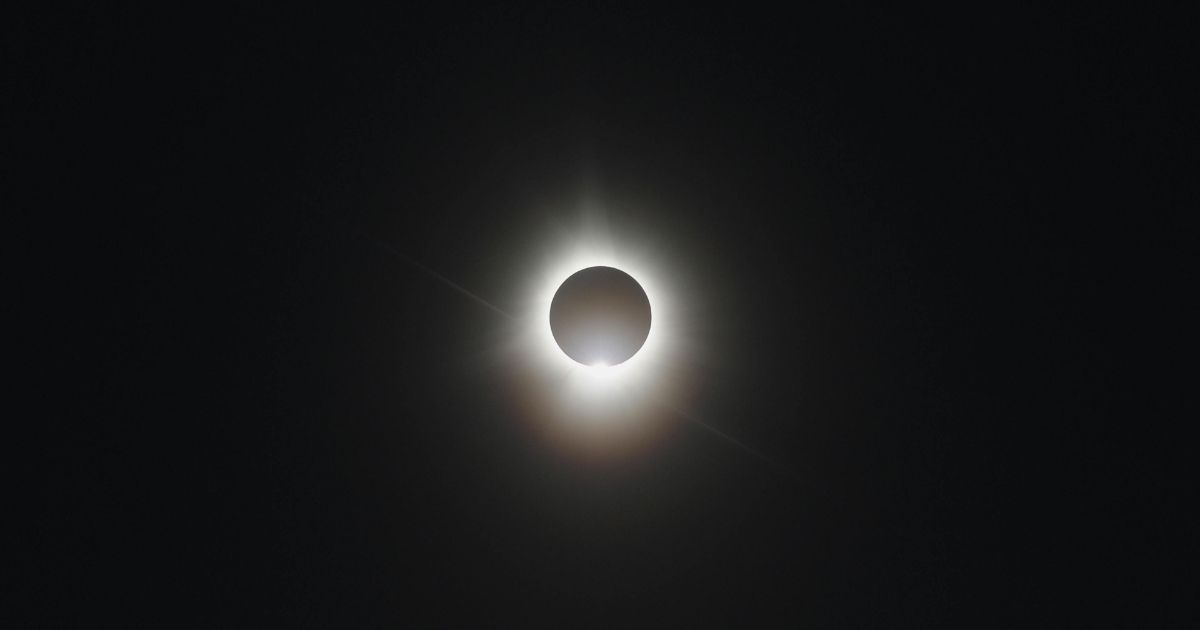
Spain is preparing for one of its most unusual summer travel moments in decades, but consumer experts are warning that excitement over the 12 August total solar eclipse should not come at the cost of eye safety.
The Spain eclipse glasses warning comes as demand grows for certified solar viewing glasses ahead of the event, which will be visible as a total eclipse across parts of northern Spain and as a partial eclipse across much of the rest of the country. Spain’s National Geographic Institute says the eclipse will be total across almost the entire northern half of the peninsula, while southern areas will see a partial eclipse.
Only certified glasses are safe
Anyone planning to watch the eclipse should use glasses that comply with the international ISO 12312-2 safety standard and carry proper certification.
Ordinary sunglasses are not safe. Nor are smoked glass, exposed film, X-rays, homemade filters or improvised viewing methods. These can allow dangerous solar radiation to reach the retina.
The risk is serious because damage may happen without immediate pain. Eye injuries from unsafe solar viewing can be permanent.
Spain braces for eclipse crowds
The eclipse is expected to bring a surge of visitors to viewing areas during one of the busiest holiday periods of the year.
El País reported that hotel bookings have already risen sharply in towns and cities along the eclipse route, with A Coruña among the places seeing strong demand. The national government has described the event as a major logistical challenge because it falls during peak August travel.
The DGT is also preparing for extra traffic around the eclipse, with special planning expected for routes towards viewing zones.
Where the eclipse will be seen
The path of totality will cross northern Spain, including parts of Galicia, Asturias, Castilla y León, the Basque Country, Aragón, the Valencian Community and the Balearic Islands.
Madrid and Barcelona are expected to see a partial eclipse rather than totality. In A Coruña, the National Geographic Institute says the eclipse will begin at 7.31 pm, reach its maximum at 8.28 pm and end at 9.22 pm.
Because the event takes place close to sunset, visibility will depend heavily on location, horizon and weather.
Travel demand is already rising
The eclipse is also becoming a major astro-tourism opportunity for Spain.
Some areas are expecting very large visitor numbers, with the Comunitat Valenciana preparing official viewing points and emergency coordination. Cadena SER reported that the region expects more than one million additional visitors, especially in areas such as Castellón.
That means travellers should book carefully, check cancellation terms and be wary of inflated prices or unclear accommodation conditions.
A rare event, but not worth risking your sight
Spain will have more eclipse moments in the coming years, but the 12 August event is already shaping up as the most talked-about.
For anyone planning to watch it, the advice is simple: buy proper certified glasses early, avoid bargain products from unknown sellers, and never look directly at the sun without approved protection.
A few minutes of spectacle are not worth a lifetime of damage.