 Lorraine Williamson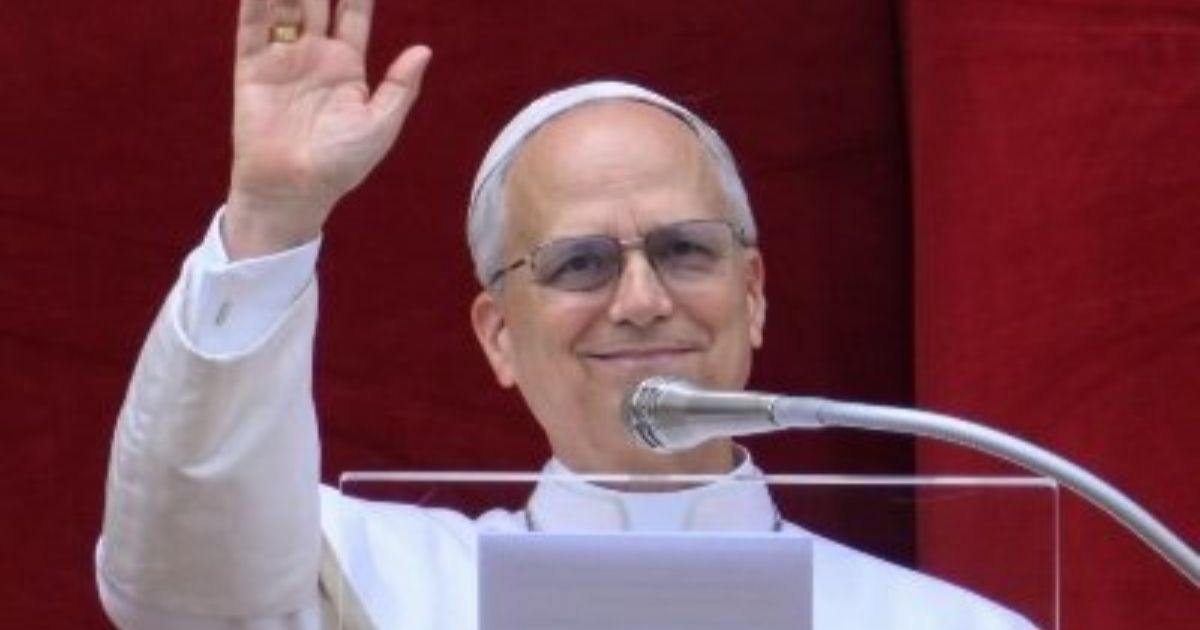
Spain is preparing for one of its largest security and mobility operations in years, as Pope Leo XIV’s visit brings road closures, free public transport measures, drone restrictions and a major police deployment.
The Pope’s visit to Spain runs from 6 to 12 June, with events scheduled in Madrid, Barcelona and the Canary Islands. In Madrid, where the Pope will be from 6 to 9 June, preparations are already affecting traffic, public transport and access around key areas including Plaza de Cibeles.
The Vatican’s official itinerary confirms the Pope is due to arrive at Madrid-Barajas Airport on Saturday 6 June, before attending a welcome ceremony at the Royal Palace and meeting King Felipe VI and Queen Letizia.
What readers need to know
The visit is expected to draw very large crowds, especially in Madrid.
El País reports that more than 15,000 agents will be involved in the security operation, with the largest deployment focused on the capital. The plan also covers Catalonia and the Canary Islands, where later stages of the visit will take place.
Madrid has already introduced traffic changes and public transport measures ahead of the main events. AS reports that preparations have affected key routes, including Calle Alcalá, Paseo de la Castellana, and Paseo del Prado, with Plaza de Cibeles and surrounding areas facing stricter restrictions from 4 June.
Madrid faces the biggest disruption
Madrid will be the first and most heavily affected stop.
The city is preparing for major gatherings, including events around Plaza de Cibeles and Plaza de Lima. AS reports that expected attendance could reach very high numbers across the Madrid programme, with authorities urging people to use public transport rather than private cars.
Madrid City Council has published traffic information linked to preparations for the visit, while the city’s tourism website has created dedicated pages for visitors attending papal events.
Drivers should expect closures, diversions and congestion around central Madrid and event zones. Anyone with flights, hospital appointments, hotel check-ins or train connections in the capital should allow extra time.
Free EMT buses and BiciMAD during the visit
One of the most practical changes for residents and visitors is free travel on Madrid city buses and BiciMAD bikes.
Madrid’s official tourism website says EMT city buses, except the Airport Express service, and BiciMAD bikes will be free from 3 to 9 June because of the papal visit. Some BiciMAD stations may be affected by closures or restrictions around event areas.
Metro Madrid has also confirmed reinforced services linked to the visit. The network will extend operating hours until 2.30 am on the night of 6 to 7 June, while EMT and other transport services will be strengthened during the busiest days.
Metro stations affected around Sunday mass
Madrid’s transport plan includes temporary Metro restrictions for the main Sunday event.
Cadena SER reports that seven Metro stations will be affected during the papal mass at Cibeles on Sunday, with trains not stopping at certain stations until around 2pm. The affected stations include Retiro, Banco de España, Sevilla, Velázquez, Serrano, Colón and Chueca.
The wider Metro network will continue operating with reinforcements. Travellers should check station updates before setting off, as crowd-control measures may change depending on conditions.
Drones banned unless authorised
Airspace control is a major part of the security operation.
Cadena SER reports that the National Police will deploy anti-drone systems to detect, track and neutralise unauthorised drones during the Pope’s visit. Police drones will also be used at major events, while airspace access will be restricted to authorised security and media operations.
The warning is clear. Anyone flying a drone without authorisation near papal events could face administrative or criminal sanctions.
Visitors should also avoid interfering if they see a drone. Police have asked the public to report concerns and leave any response to security forces.
Security level remains high
Spain is currently operating under a reinforced level 4 anti-terror alert, which shapes the scale of the security plan.
El País reports that the operation includes elite units, intelligence monitoring, cyber-security measures, helicopters, authorised drones, frequency inhibitors and hundreds of vehicles.
The aim is not only to protect the Pope, but also to manage crowds, transport, airspace, public buildings and religious events across several regions.
Barcelona and the Canary Islands also prepare
Although Madrid faces the first wave of disruption, the visit is not limited to the capital.
The Vatican itinerary shows the Pope will continue to Barcelona and the Canary Islands after Madrid.
The visit is expected to include a major event at Barcelona’s Sagrada Familia and a programme in the Canary Islands with a focus on migration. International coverage has also highlighted the political and social significance of the trip, particularly around migration and Spain’s changing relationship with Catholicism.
Residents and visitors in Barcelona, Las Palmas and Tenerife should expect local security zones, crowd controls and transport adjustments closer to the relevant dates.
Advice for residents and visitors
Anyone in Madrid between now and 9 June should plan journeys carefully.
Use public transport where possible. Check Metro, EMT, Cercanías and city council updates before travelling. Avoid driving into central areas unless essential, and allow extra time for airport transfers, train journeys and hotel arrivals.
People attending events should travel light, carry water, bring identification and follow instructions from police, stewards and transport staff. Large crowds can make movement slow, especially in heat.
What tourists should consider
Visitors who are not attending papal events may still be affected.
Hotel areas, museums, restaurants, taxi routes and airport connections could all feel the impact of closures and crowds. Anyone planning sightseeing near Cibeles, Paseo del Prado, Retiro, Castellana or central Madrid should check access before leaving.
Tourists travelling onwards to Barcelona or the Canary Islands should also check local updates as the visit moves through Spain.
A week when planning matters
The Pope Spain visit will bring religious, political and public attention to several parts of the country. It will also create practical disruption.
For many people, the visit will be a historic event. For others, it will mean road closures, altered journeys, crowded transport and tighter security.
The best advice is simple: check official travel updates, avoid private cars in affected areas, do not use unauthorised drones, and leave more time than usual for any journey linked to Madrid, Barcelona or the Canary Islands over the coming days.