 Lorraine Williamson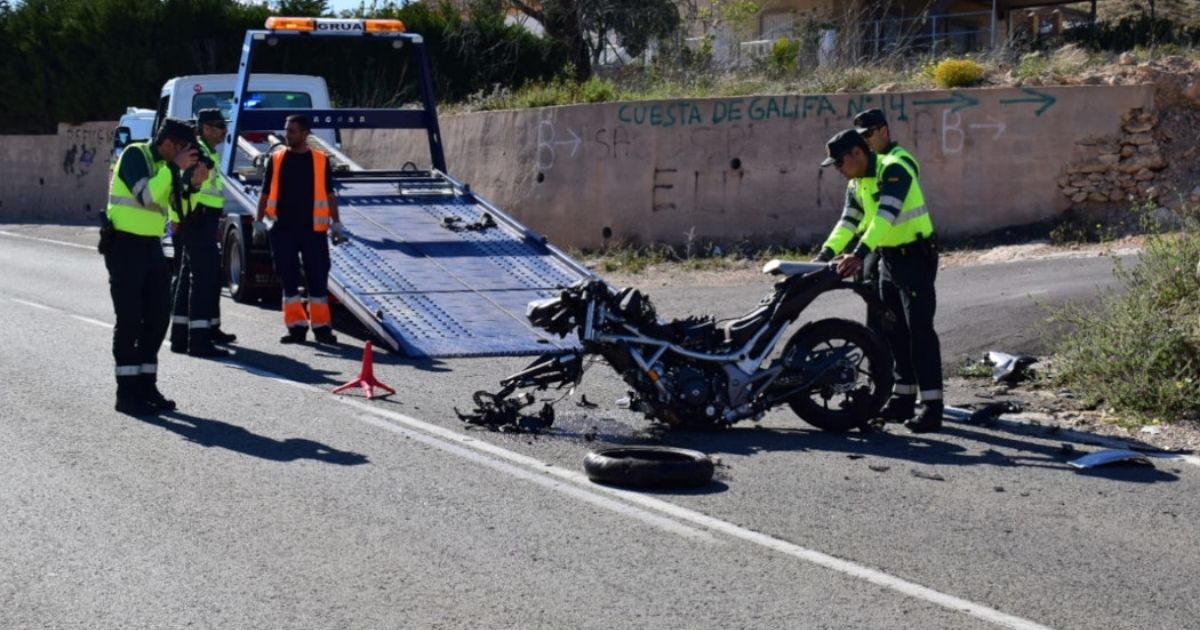
Spain recorded fewer road deaths in May than in the same month last year, but the latest DGT figures show a worrying rise in fatalities among vulnerable road users.
According to the Dirección General de Tráfico, 91 people died in 86 fatal road crashes on interurban roads during May. That is seven fewer than in May 2025, despite long-distance journeys increasing by 1.75% to 40.87 million movements.
The headline fall is welcome. Yet the detail tells a more complicated story. Vulnerable road users, including motorcyclists, cyclists, pedestrians and moped riders, accounted for 43 deaths, ten more than in May last year.
What readers need to know
The DGT’s May figures cover fatal crashes on Spain’s interurban roads. These include motorways, dual carriageways and conventional roads outside urban areas.
The overall number of deaths fell from 98 in May 2025 to 91 in May 2026. However, deaths on motorways and dual carriageways rose from 21 to 26, while deaths on other interurban roads fell from 77 to 65.
The figures matter because Spain is entering the main summer travel season. More drivers, motorcyclists, cyclists, tourists and pedestrians will be sharing the roads over the coming weeks.
Vulnerable road users remain a concern
The most striking part of the DGT report is the increase in vulnerable road-user deaths.
Motorcyclists remain the group with the highest fatality count among vulnerable users. The DGT recorded 32 motorcyclist deaths in May, compared with 25 in the same month last year. Pedestrian deaths also rose, from four to seven.
Cyclist deaths fell slightly, from three to two. Moped deaths increased from one to two, while no deaths involving personal mobility vehicles, such as e-scooters, were recorded in the monthly total.
Why motorcyclists face higher risk
Motorcyclists are especially exposed on Spain’s roads because they have little physical protection in a crash.
Warm weather also brings more motorbikes onto the roads. Weekend routes, coastal roads, mountain areas and rural stretches can all become busier during spring and summer.
For drivers, the practical message is simple: look twice before changing lanes, joining a road or turning across traffic. For motorcyclists, speed, visibility, protective clothing and road conditions all matter, especially on bends and secondary roads.
Conventional roads still need attention
Although deaths on conventional interurban roads fell in May, they still accounted for most fatalities.
These roads often have two-way traffic, changing speed limits, bends, junctions, agricultural access points and overtaking risk. They may also be used by cyclists, walkers, tractors, delivery vehicles and local traffic.
The DGT said run-off-road crashes remained the type of collision with the highest number of deaths in May, although fatalities from that type of crash fell by 14 compared with May 2025. Fatal head-on collisions also decreased.
Seat belts and helmets still missing in some fatal crashes
The DGT report also highlights basic safety failures.
Ten of the people who died were not using the relevant safety system at the time of the crash. Seven car drivers, one van driver and one lorry driver were not wearing a seatbelt. One motorcyclist was not wearing a helmet.
These details are a reminder that road safety is not only about speed cameras, road design or enforcement. Basic protection still saves lives.
Where deaths were recorded
Andalucia recorded the highest number of road deaths in May, with 21 fatalities, although that was six fewer than in May 2025. Catalonia saw the largest increase, with 19 deaths, ten more than the same month last year.
Galicia recorded 11 deaths, while the Valencian Community recorded eight. Madrid had six, Castilla y León seven, and Castilla-La Mancha five.
No road deaths were recorded in Cantabria, Murcia, Navarra, La Rioja, Ceuta or Melilla during May, according to the DGT.
Weekend deaths add to the warning
The final weekend of May also saw seven people die in seven crashes on interurban roads between Friday afternoon and midnight on Sunday.
All seven deaths occurred on conventional roads. Four of the victims were vulnerable road users: three motorcyclists and one pedestrian. The fatal crashes took place in Burgos, Castellón, A Coruña, Lleida, Málaga, Pontevedra and Zaragoza.
That weekend pattern reinforces the wider concern. Leisure travel, motorbike routes and rural roads can be especially risky when traffic increases.
A safer summer starts before the journey
For residents and visitors, the DGT figures are a practical warning ahead of summer.
Drivers should check tyres, lights, brakes, documentation and rest stops before long journeys. They should also build in extra time, especially during heat, weekend traffic or coastal travel peaks.
Motorcyclists should wear protective gear even on short routes. Cyclists and pedestrians should improve visibility where possible, especially on rural roads, at dusk or near junctions.
Spain’s yearly toll is lower, but not low enough
So far this year, 360 people have died on Spain’s roads, 69 fewer than during the same period last year. That is progress, but the monthly figures show how quickly risk can shift between groups and road types.
May’s figures contain both better and worse news. Fewer people died overall, yet vulnerable road users faced a sharper danger.
As Spain moves into June, the lesson is clear. Safer roads depend not only on fewer crashes but on protecting the people with the least protection when those crashes happen.