 Lorraine Williamson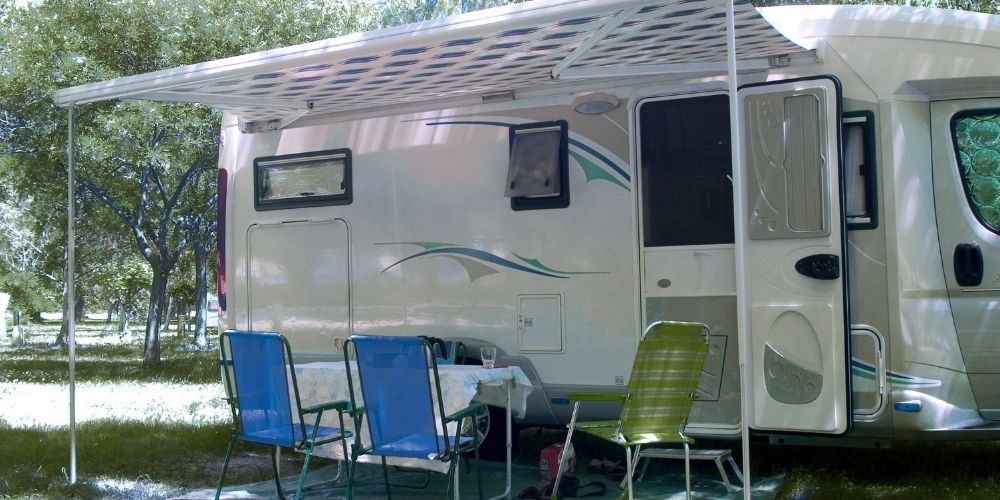
Motorhome parking in Spain has been given clearer national wording just as summer travel picks up, after a reform of the General Traffic Regulations set out when a motorhome, campervan or other vehicle adapted for living is considered parked rather than camping.
The change appears in Royal Decree 518/2026, published in the Official State Gazette on June 26, and forms part of a wider reform of Spain’s traffic rules covering vulnerable road users, urban mobility, cyclists, motorcyclists and vehicles of personal mobility. The decree enters into force on October 1, 2026.
Parking, not camping
For motorhome and campervan owners, the important part is the new wording added to Article 92 of the General Traffic Regulations. It says that motorhomes and other vehicles adapted as living spaces may be parked provided they do not extend elements beyond the vehicle’s perimeter, rest only on their tyres, with safety chocks allowed, and do not discharge fluids from the living area.
In simple terms, a motorhome that is correctly parked should behave like any other parked vehicle. That means no awnings out, no tables or chairs on the pavement or roadside, no stabilising legs, and no grey water or toilet waste being emptied in public space.
This is the line that often confuses drivers, residents and local authorities. Sleeping inside a legally parked vehicle is not the same thing as setting up camp outside it. The problem begins when the vehicle starts taking over extra public space or behaving like a campsite pitch.
Local signs still matter
The new wording does not mean motorhomes can park anywhere they like. Town halls still have powers to regulate stopping and parking on urban roads, including time limits, paid parking zones, blue zones, vehicle removal and tariffs based on vehicle size or environmental classification.
The DGT had already updated its motorhome instruction earlier this year, saying that, as a general rule, motorhomes may stop and park under the same conditions and with the same limits as any other vehicle. It also made clear that drivers must respect local rules and signs in municipal areas.
That distinction is important in popular coastal and rural areas, where pressure from motorhome tourism has led some municipalities to tighten parking rules, create dedicated motorhome areas or restrict overnight stays in certain locations.
A growing way to travel
The reform comes after a sharp rise in motorhome and campervan travel in Spain. The BOE notes that annual registrations have risen from around 3,000 to 9,000 in the past decade, while specialised areas have grown from about 150 to more than 1,000.
The Ministry of the Interior has also pointed to strong growth since the pandemic, saying the number of motorhomes in Spain has almost tripled since 2015, from just over 48,000 to almost 137,000. The rise reflects a wider shift towards more flexible, self-contained travel, especially during spring and summer.
That growth has not been without tension. In many tourist towns, especially on the coast, residents and councils have complained about overcrowded car parks, long stays in prime locations and vehicles being used as informal campsites. Motorhome owners, meanwhile, have argued that they are often fined or moved on even when they are simply parked correctly.
Check before stopping overnight
For drivers, the safest approach remains straightforward. Check local signs, avoid protected natural spaces unless parking is clearly allowed, use official service areas for water and waste, and keep everything inside the vehicle’s footprint.
If a motorhome is parked neatly, taking up only its own space and not discharging waste, the new wording gives clearer backing to the idea that it is parked, not camping. If awnings, chairs, tables, levelling equipment or waste disposal come into play, the situation can change quickly.
The reform should give motorhome and campervan users more legal clarity, but it will not remove local rules or the need for common sense. In busy summer destinations, especially along the coast, the difference between a legal overnight stop and a fine may still come down to where the vehicle is, what the local signs say, and whether it looks like parking or camping.