 Lorraine Williamson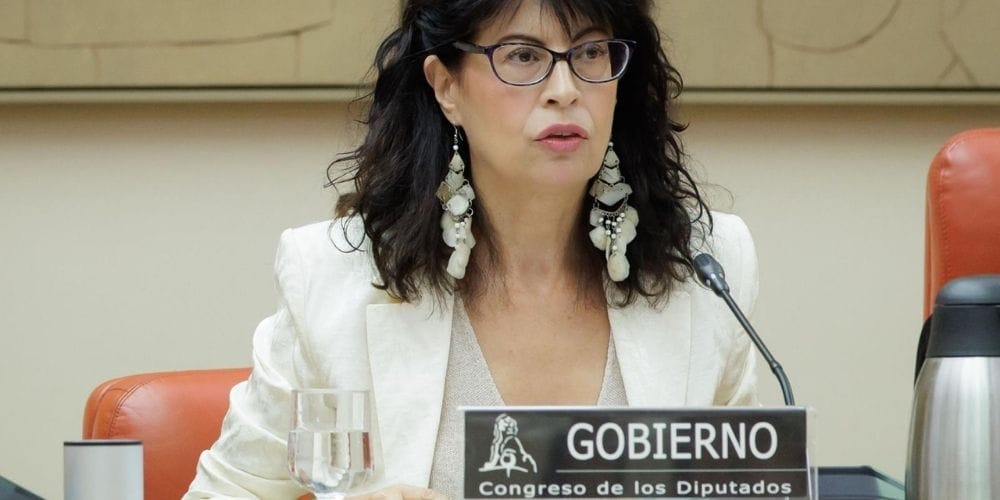
Spanish prosecutors have recorded 23 sexual assaults involving migrants in Ceuta since the mass arrivals began on 30 July, including five cases involving penetration. Nine of the victims are minors aged between 14 and 17, according to updated figures released by the Fiscalía on Monday. Eight suspected perpetrators have so far been identified.
The figures represent a significant increase from those reported only days ago. On 27 August, prosecutors had recorded 16 sexual assaults involving 17 victims, most of them minors.
By Monday, the Fiscalía General del Estado had raised the number to 23. Of the eight suspected perpetrators identified so far, four are Moroccan, three Spanish and one Belgian. Other alleged perpetrators have yet to be identified.
All but one of the victims are female. The other victim is a man from the LGBTI community.
Nine minors receiving specialist support
The nine victims aged between 14 and 17 are currently being assisted at Ceuta’s 24-hour crisis centre for victims of sexual violence and trafficking.
The centre normally provides short-term residential accommodation for a maximum of 72 hours. However, Equality Minister Ana Redondo said her department has asked for the girls to be allowed to remain beyond that period until safe alternatives can be found.
Redondo appeared before the Equality Committee in Congress on Monday afternoon to explain the government’s response to the situation.
She initially referred to 21 sexual assaults, including five involving penetration and one attempted assault. The Fiscalía subsequently put the updated number at 23, meaning two different official figures were reported during the course of Monday.
The minister said serious cases required protection for victims and swift action by the justice system, stressing that this applied both to migrant women in Ceuta and women and girls throughout Spain.
New specialist unit for women and girls
The government has now announced a multidisciplinary specialist unit in Ceuta focusing on violence against women and girls.
It will reinforce the existing Violence Against Women Unit within the Government Delegation and is intended to provide a more coordinated response to the particular vulnerabilities created by the humanitarian emergency.
The Ministry of Equality and Civil Protection is also developing a permanent protocol for future migration emergencies. The proposed system will specifically incorporate protection against violence towards women and a gender perspective into emergency planning.
The measures follow weeks of concern about the conditions in which women and children have been living since tens of thousands of people crossed into Ceuta at the end of July.
Women and girls moved from temporary camps
On Monday, authorities also began transferring women and girls from some of the makeshift settlements that have emerged around the autonomous city.
The first groups were taken by bus to temporary accommodation at Ceuta’s equestrian centre from settlements established in El Príncipe, where around 400 women and minors had been staying.
The operation forms part of efforts to dismantle improvised camps and move their occupants into organised accommodation.
Youth and Children Minister Sira Rego told Congress on Monday that moving unaccompanied migrant children from Ceuta to facilities on the Spanish mainland was now “essential” to ease pressure on the city and ensure appropriate care.
She said around 500 migrant girls are awaiting approval from the president of Ceuta to be transferred to smaller centres in different parts of mainland Spain. Bilateral agreements between autonomous communities and emergency family fostering are among the other options being considered.
Ceuta crisis enters a new phase
The safeguarding concerns come one month after the extraordinary mass crossing into Ceuta began on 30 July.
Authorities are now dealing not only with accommodation and the processing of thousands of people who remain in the autonomous city, but also with the consequences for policing, healthcare, child protection and the justice system.
The latest sexual assault figures highlight one of the most serious aspects of that continuing emergency. With investigations ongoing and some alleged perpetrators still unidentified, the number of cases could change again as authorities continue their work.