 Lorraine Williamson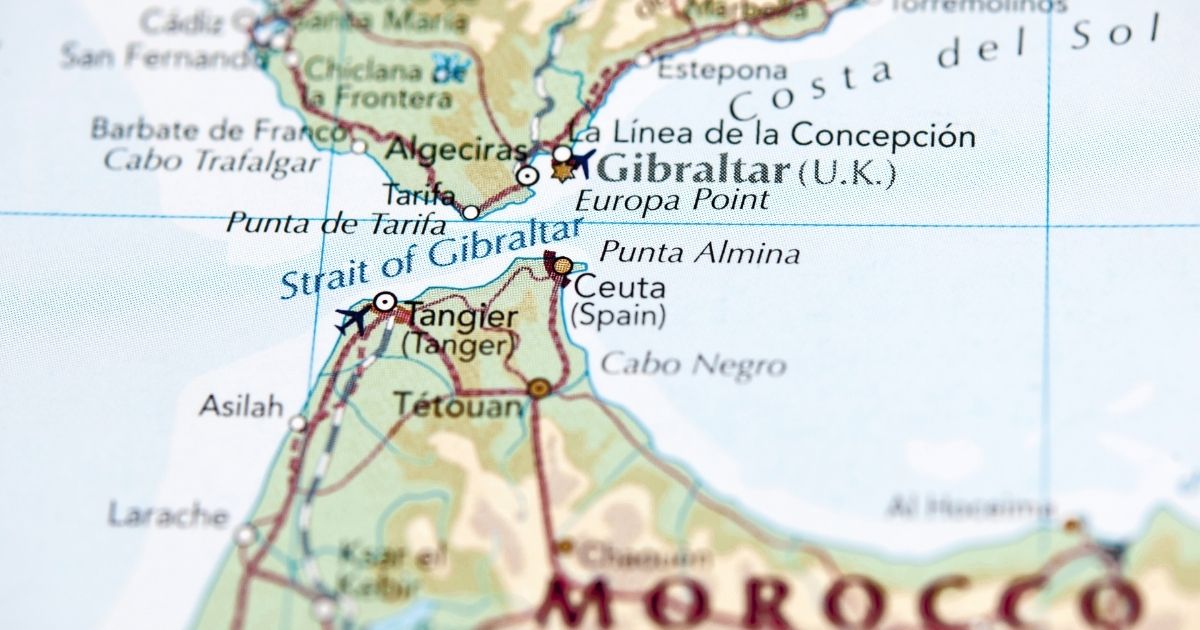
Spain is preparing for one of its biggest summer travel operations as Operation Crossing the Strait begins on Monday, 15 June, with more than 3.5 million people and around 800,000 vehicles expected to move through the country between Europe and North Africa.
The annual operation, known in Spanish as Operación Paso del Estrecho or OPE, will run until 15 September. It is coordinated by Spain’s Ministry of the Interior and is designed to manage the huge seasonal movement of people, vehicles and ferries through Spanish ports during the summer.
The 2026 edition is expected to be one of the busiest yet. Protección Civil says the operation is forecast to handle more than 3.5 million passengers and 800,000 vehicles, with figures that could set another historic record.
What is Operation Crossing the Strait?
Operation Crossing the Strait is Spain’s annual summer plan to manage the movement of mainly Moroccan and North African citizens who live in Europe and travel through Spain to return home for the holidays.
Many travellers drive across Spain from countries such as France, Belgium, Germany, the Netherlands and Italy before boarding ferries from Spanish ports to Morocco, Algeria, Ceuta or Melilla.
The operation has been coordinated since 1986 and brings together national, regional and local authorities, including police, Guardia Civil, traffic authorities, health services, port authorities, ferry operators, civil protection teams and social-assistance services.
In 2025, the operation managed the passage of 3,488,885 people, 857,784 vehicles and 10,536 ferry rotations between Europe and Africa.
Which ports are affected?
The main pressure is expected around the Strait of Gibraltar, especially at Algeciras and Tarifa, which traditionally handle the largest volume of crossings.
Other ports involved in the operation include Alicante, Almería, Ceuta, Málaga, Melilla, Motril and Valencia. These ports play different roles depending on ferry routes, passenger demand, vehicle volumes and connections with Morocco, Algeria and Spain’s North African cities.
Málaga is also preparing for the start of the operation, with around 1,000 people from more than 19 organisations involved in the provincial plan. The Port of Málaga has prepared more than 15,000 square metres in the San Andrés and Muelle 4 areas, including car and passenger shelters, health-service modules, information points, waiting areas and basic services.
Algeciras and Tarifa face a new biometric challenge
This year’s operation comes with an added challenge: the introduction of new European biometric border controls in Algeciras and Tarifa.
According to reports from Campo de Gibraltar, the 2026 operation will be marked by the Entry/Exit System, known as EES, which requires biometric checks for non-EU nationals. These can include facial recognition, fingerprints and passport checks.
The system is designed to strengthen border management, but it could also add pressure at busy moments if queues build up. Reports say separate passenger flows will be organised according to country of origin, and biometric controls may be temporarily suspended if delays become critical.
For travellers, this means preparation matters. Anyone crossing through the busiest ports should check documentation, buy ferry tickets in advance and allow extra time, especially during peak departure weekends.
Why the operation matters beyond the ports
Operation Crossing the Strait is not only a ferry issue. It also affects roads, service areas, border controls, ports, health services and emergency planning across several parts of Spain.
Large numbers of vehicles travel long distances across the country before reaching the southern ports. That can create pressure on roads leading to Algeciras, Tarifa, Málaga, Almería and other departure points, especially during peak days in July and August.
The operation is also humanitarian as well as logistical. Many travellers are families making long journeys in hot weather, sometimes with children, older relatives and heavily loaded vehicles.
For that reason, the plan includes rest areas, medical support, information points, translation assistance, traffic management and emergency planning for heatwaves, breakdowns, port delays or adverse weather.
Spain and Morocco coordinate for record demand
Spain and Morocco have reinforced coordination ahead of this year’s operation, with both countries preparing for a possible new record in movements.
Protección Civil said planning between the two countries has focused on managing passenger flow, reducing waiting times and improving real-time monitoring of traffic, port operations, weather and incidents.
The Ministry of the Interior says the operation is also designed to maintain public safety, reinforce counter-terrorism prevention and guarantee border security during one of the most demanding travel periods of the year.
What travellers should do before setting off
Travellers planning to use Spanish ports during Operation Crossing the Strait should prepare carefully.
The most important advice is to buy ferry tickets in advance, check port and route updates before travelling, keep passports and residence documents ready, carry water and food, and allow plenty of time for delays.
Drivers should also plan rest stops, avoid setting off already tired and be aware that heavy traffic may build up around port access roads during peak periods.
Anyone travelling with children, elderly relatives or pets should take extra care in hot weather, especially if delays occur before boarding.
A major summer test for Spain’s transport network
Operation Crossing the Strait is one of Spain’s largest annual mobility operations. It is part border-control plan, part port operation, part road-safety campaign and part humanitarian support system.
For many families, it is simply the journey home. For Spain, it is a three-month test of coordination across ports, roads, police, health services and emergency teams.
With record numbers expected and new biometric controls being introduced at key ports, this summer’s operation may be one of the most closely watched yet.