 Lorraine Williamson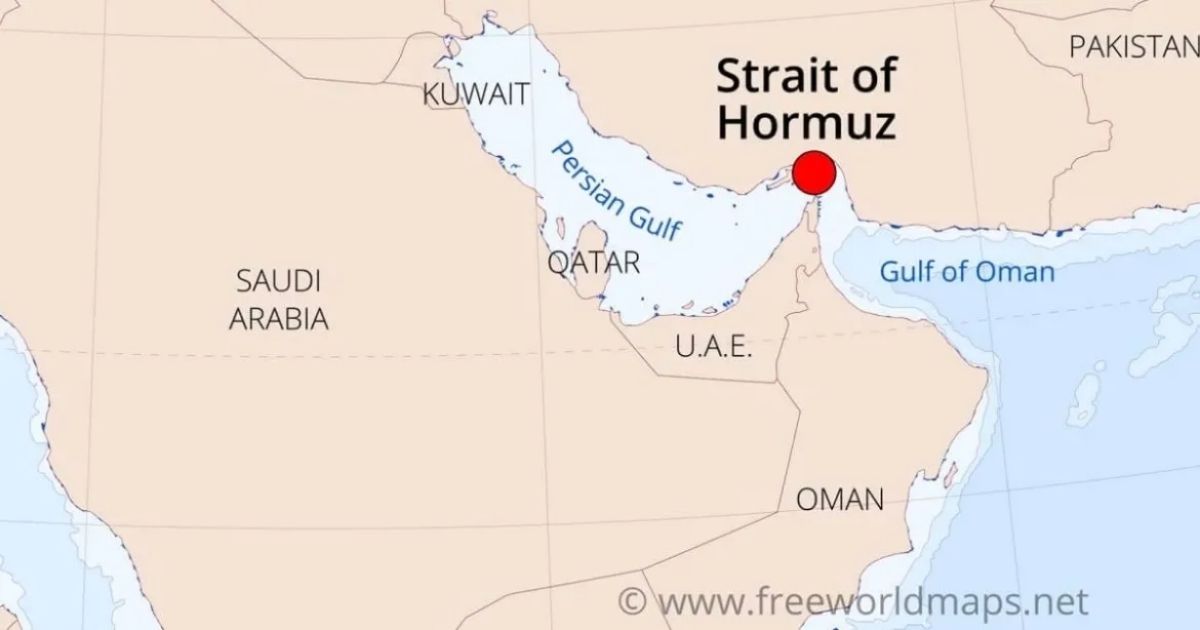
Spain is taking part in European-led talks on how to reopen the Strait of Hormuz, one of the world’s most important oil routes, after a major disruption linked to the conflict with Iran.
The meeting is being driven by French President Emmanuel Macron and British Prime Minister Keir Starmer, with around 40 countries invited to discuss how non-belligerent nations could help restore freedom of navigation once security conditions allow. Spain is expected to be represented by Foreign Minister José Manuel Albares.
Why Spain’s participation matters
Spain had previously been cautious about joining initiatives linked to the crisis, arguing that it did not want to contribute to escalation in the Middle East. El País reports that the government has now agreed to participate because the talks are being framed as a multilateral and defensive initiative by countries not directly involved in the conflict.
That distinction matters. Madrid is not presenting this as support for a blockade or an offensive military operation. Instead, Spain’s position hinges on restoring safe shipping through a strategic route used by a large share of global oil and gas traffic.
A shipping route that affects prices far beyond the Gulf
The Strait of Hormuz is narrow, but its economic reach is enormous. Reuters says the talks are focused on securing navigation after the current conflict ends, with possible discussions around a future multinational defensive mission, coordination with shipping and legal frameworks that could include a UN resolution.
For Spain, this is not distant geopolitics. Disruption in the Strait can feed through to oil prices, shipping costs, aviation fuel, household bills and business confidence. That is why the issue matters for residents and travellers, even if the waterway itself is thousands of kilometres away.
Europe tries to act without joining the war
The talks also underline a wider European dilemma. France and Britain have rejected joining a US-led blockade, but want to show that Europe can help defend commercial navigation once a ceasefire or improved security conditions make that possible. Reuters reports that the initiative is being shaped around non-belligerent countries, with the United States and Iran not directly involved in the current planning.
AP described the summit as part of a European-led effort to reduce economic fallout while avoiding deeper military involvement. The planning reportedly includes intelligence sharing, mine-clearing capacity, and defensive maritime measures rather than combat escorts.
Spain keeps its options limited
Spanish reporting suggests Madrid is trying to keep a careful balance.
According to El País, the government remains opposed to any military operation tied directly to the conflict with Iran. However, it has not ruled out a future contribution under different conditions, particularly if there is a UN-backed framework and a clearer peace or ceasefire context.
That cautious position fits Spain’s recent foreign policy posture. Sánchez’s government has repeatedly tried to support diplomatic routes while avoiding being drawn into military escalation, especially in the Middle East.
Why this could matter for Spanish households
The immediate question for most readers is simple: could this affect prices?
Potentially, yes. Any prolonged disruption to Hormuz can push up global energy costs, especially oil and gas. That can eventually affect petrol, diesel, flights, freight, supermarket prices and inflation. Spain has said in recent days that its fuel and kerosene supplies remain secure for now, but global price pressure remains a risk if shipping routes stay disrupted.
That is why Spain’s presence in the talks is not just symbolic. It reflects a practical concern about protecting energy supply chains and limiting the knock-on effects of a crisis that can quickly move from foreign policy into household budgets.
Diplomatic and military planning
The talks are expected to shape further diplomatic and military planning, rather than produce an immediate reopening of the Strait. Any future mission would depend on security conditions, legal approval and the willingness of participating countries to contribute.
For now, Spain’s role is carefully defined: take part in the discussion, support freedom of navigation, and avoid being pulled into the conflict itself. Whether that balance can hold will depend on how quickly the crisis around Hormuz moves from confrontation towards diplomacy.