 Lorraine Williamson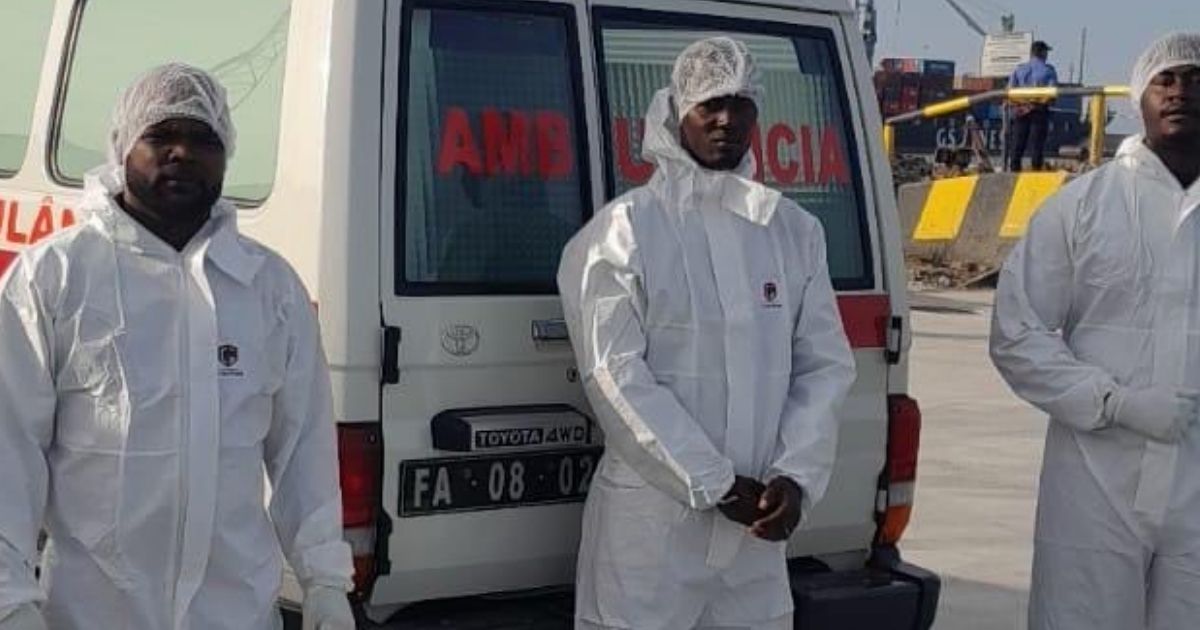
A cruise ship hit by a deadly hantavirus outbreak is expected to reach Tenerife this weekend, but its planned arrival has triggered growing concern in the Canary Islands.
The Tenerife hantavirus cruise row has now moved beyond a health emergency. It has become a dispute over ports, quarantine, public information, and who gets to decide how the ship is received.
At a glance: what is happening
- The MV Hondius is heading for Tenerife after a hantavirus outbreak on board.
- Three deaths and eight suspected or confirmed cases have been linked to the outbreak.
- Spain agreed to receive the ship after a request involving the World Health Organisation.
- Canary Islands officials and some port workers have raised concerns about safety and information.
Ship expected to remain offshore
The latest plan reported by RTVE is for the MV Hondius to anchor off Tenerife rather than dock directly in port. Passengers would then be brought ashore by boat using protective equipment.
That marks a shift from earlier reports that the vessel would dock at Granadilla. It also reflects growing pressure from the Canary Islands government, port workers, and local voices worried about how the operation will be handled.
Spanish authorities say the response is being coordinated with health protocols. But the Canary Islands government has repeatedly asked for clearer information and has argued that the vessel should not enter port unless strictly necessary.
Why Tenerife is objecting
Canary Islands president Fernando Clavijo has criticised the decision-making process, saying the region needs reliable information before taking responsibility for the operation.
Reuters reported earlier this week that the regional government opposed allowing the ship to dock, with Clavijo saying there was not enough information to reassure the public.
The concern is not only medical. The Canary Islands have strong memories of cruise-related quarantine during the COVID pandemic, and Reuters reported that the MV Hondius case has revived those anxieties among residents.
Port workers threaten action
A group of workers at the ports of Santa Cruz de Tenerife and Granadilla has threatened to block facilities if the ship arrives without clear protocols.
According to El País, the group says staff have not received enough information about safety measures. However, the main dockworkers’ union has rejected any shutdown and supports the more cautious option of keeping the ship offshore.
The Port Authority has said it will not authorise the ship to dock without prior technical reports from the Foreign Health and Maritime Captaincy.
What happens to passengers?
The MV Hondius has around 150 people on board. Three infected passengers have already been evacuated for treatment in the Netherlands, while others remain under monitoring.
EFE reported that Spanish passengers are expected to be evaluated in the Canary Islands before being transferred by military aircraft to Madrid, where they would quarantine at the Gómez Ulla military hospital.
Non-Spanish passengers are expected to be repatriated to their own countries, provided they remain asymptomatic and their governments accept the arrangements.
The Guardian reported that British passengers returning to the UK are expected to self-isolate for 45 days.
What is hantavirus?
Hantavirus is usually linked to rodents and can cause serious illness in humans. The strain involved in this outbreak has been described as the Andes strain, which can, in rare circumstances, spread between people through close contact.
Health officials have stressed that it does not spread as easily as respiratory viruses such as Covid. Even so, the severity of the disease explains why isolation, testing, and repatriation plans are being handled carefully.
Reuters reported that passengers on board have been confined to cabins, with meals delivered and health monitoring in place. Some passengers described the atmosphere as calm but strained.
Spain says it is acting on humanitarian grounds
Spain’s Health Ministry has said the decision to receive the vessel follows international obligations and humanitarian principles.
EFE reported that Spain agreed to accept the cruise ship in the Canary Islands after a request linked to the World Health Organization.
That position has not settled the dispute. For Madrid, the issue is how to manage a controlled medical evacuation. For the Canary Islands, the issue is why the region is being asked to take on the operation and whether local authorities have enough information.
The next question is control
The immediate risk to the wider public appears limited if health protocols are followed. The larger issue now is confidence.
Tenerife needs to know who will handle the passengers, how port workers will be protected, and how the public will be informed. Passengers and crew need a safe route off the ship after weeks of uncertainty.
The MV Hondius is no longer just a cruise ship carrying a health emergency. It has become a test of how Spain balances public-health caution, island concerns, and international responsibility.