 Lorraine Williamson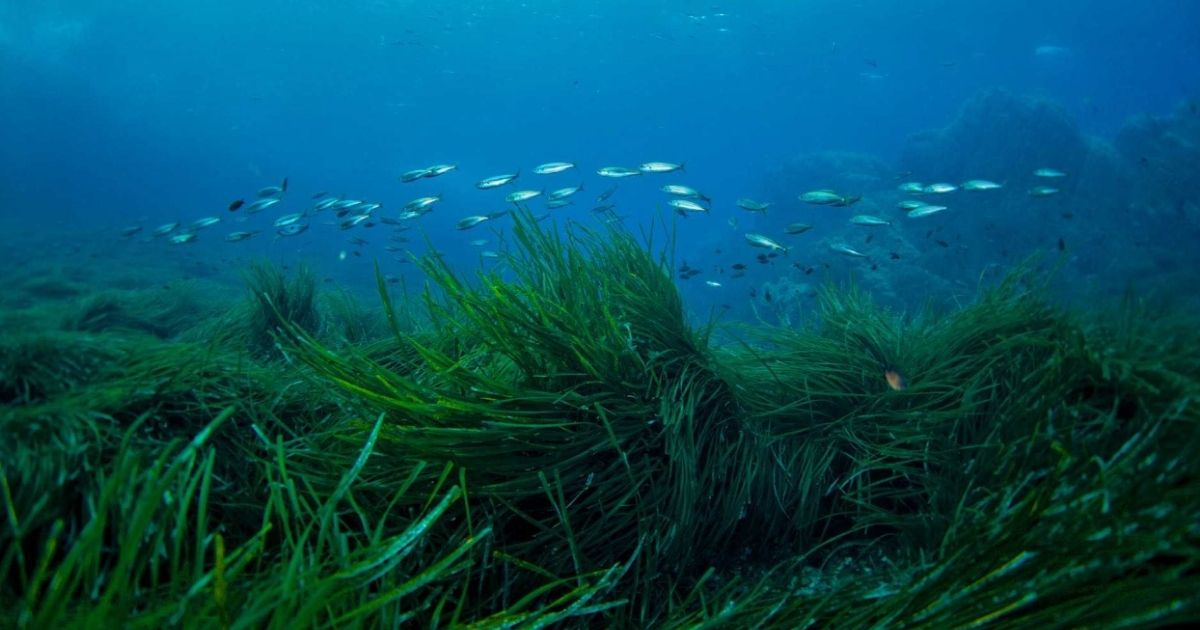
Beneath Formentera’s famously clear water, divers are planting the future of one of the Mediterranean’s most important ecosystems.
A major Formentera Posidonia restoration project aims to plant more than 100,000 Posidonia oceanica shoots in 2026, using a technique described as underwater gardening. The work is being led by the Vellmarí Association, founded by marine biologist Manu San Félix, with the support of the MSC Foundation.
The project is more than a local environmental effort. Posidonia meadows help produce oxygen, store carbon, shelter marine life and protect beaches from erosion. In Formentera, they are also one of the reasons the sea appears so blue and transparent.
Why Posidonia matters
Posidonia is often mistaken for seaweed. It is not. It is a flowering marine plant found only in the Mediterranean.
Its meadows act like underwater forests. They provide shelter and nursery grounds for fish, molluscs and other marine species. They also help stabilise the seabed and soften the force of waves before they reach the shore.
Formentera’s tourism board describes Posidonia oceanica as one of the most important plants in the marine ecosystem of the Pityusic Islands. It also says the meadows are responsible for much of the clarity of the island’s waters.
What the underwater gardeners are doing
The technique used in Formentera is slow and careful.
Divers collect loose fragments of the Posidonia rhizome that have become detached. These are then placed in suitable areas of the seabed, often on rock, where they can take root again.
According to EFE Verde, Vellmarí fixes the shoots using small, low-impact materials designed to hold the plant in place while it establishes itself. The method avoids uprooting healthy plants and focuses instead on recovering fragments that might otherwise be lost.
A project with a high survival rate
The restoration work began in 2021. Since then, Vellmarí has planted more than 86,000 Posidonia shoots.
EFE Verde reports a survival rate of more than 92%, allowing almost 3,000 square metres of seabed to be restored with support from more than 10,000 volunteers.
That survival rate matters. Marine restoration can be difficult, expensive and slow. Posidonia grows gradually, so early success depends on choosing the right fragments, the right seabed and the right protection from disturbance.
Why Formentera is under pressure
Formentera’s beauty is also part of its vulnerability.
The island attracts visitors for its beaches, quiet coves and turquoise water. But boat anchoring, rising sea temperatures, pollution and heavy summer pressure can damage fragile seabed habitats.
Once damaged, Posidonia is not quickly replaced. Some meadows are extremely old and grow at a slow pace. That makes prevention just as important as restoration.
A UNESCO-listed marine landscape
The Posidonia meadows between Ibiza and Formentera form part of the UNESCO World Heritage property Ibiza, Biodiversity and Culture, inscribed in 1999. UNESCO describes the site’s marine component as containing dense and well-preserved Posidonia meadows that support a wide diversity of marine life.
That global recognition adds weight to the restoration work. These are not simply pretty underwater fields. They are part of a protected Mediterranean landscape with ecological value far beyond the Balearics.
Why beaches depend on the seabed
Posidonia does not only matter underwater.
Healthy meadows help reduce coastal erosion by calming waves and trapping sediment. Dead Posidonia leaves that wash up on beaches can also help protect sand, even though visitors often mistake them for dirt or waste.
That creates a difficult balance for tourist destinations. Beaches need to look attractive in summer, but removing too much natural material can weaken the coastline’s own defence system.
Spain´s beach erosion rethink gathers pace
Could Formentera become a model?
The 2026 target is ambitious. Vellmarí and its partners want Formentera to become an international example of active marine restoration.
The project is also working on scientific monitoring and environmental education. That matters because planting alone is not enough. Long-term success depends on tracking survival, reducing damage and helping boat users, visitors, and residents understand what is at stake.
If the technique continues to work, it could offer lessons for other Mediterranean areas trying to recover damaged seagrass habitats.
What visitors can do
Visitors to Formentera can help protect Posidonia by respecting anchoring rules and using authorised mooring areas where available.
Boats should never anchor directly on seagrass meadows. Snorkellers and divers should avoid touching or disturbing the plants. Beachgoers can also learn to recognise Posidonia remains on the sand as part of a living coastal system, not rubbish.
Small choices matter because Posidonia recovers slowly. Damage caused in minutes can take years to repair.
A quiet fight for the Mediterranean
Formentera’s underwater garden is a hopeful story, but it is also a warning.
The Mediterranean is warming, coastal tourism is growing, and fragile habitats are under pressure. Restoring 100,000 shoots is an impressive goal, yet the bigger challenge is making sure the meadows are not damaged again.
For now, beneath the island’s blue water, divers are doing patient work that most visitors will never see. The result could help protect Formentera’s marine life, its beaches and one of the Mediterranean’s most valuable natural treasures.