 Lorraine Williamson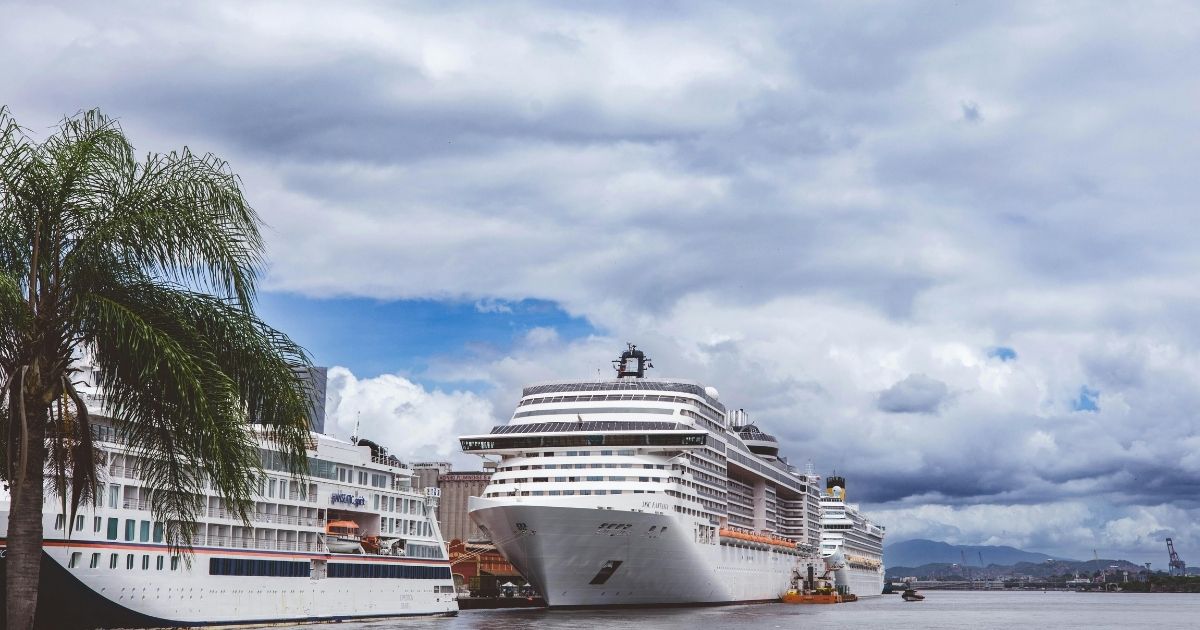
Spain is not warning of an immediate airport fuel shortage. Yet travellers may still feel the impact of global instability through higher air fares, route changes, and fewer options on some European connections.
The pressure is coming from the conflict in Iran and the disruption to global oil supplies. Spain’s Industry and Tourism Minister, Jordi Hereu, has advised consumers to buy airline tickets sooner rather than later, warning that rising fuel costs could push up fares and affect demand.
Why travellers are being told to book sooner
Hereu’s warning was not framed as panic. It was more practical than that.
Airlines are still using kerosene bought before the latest price rises, but that cushion may not last. Reuters reported that oil supply disruption has pushed prices up by around 50% since the US and Israeli strikes on Iran on February 28, while higher oil prices have already added more than $100 to the cost of long-haul flights from Europe, according to Transport & Environment.
Hereu said Spain has larger kerosene stocks and higher production capacity than some other countries. Even so, he warned that if countries sending tourists to Spain have problems, Spain will feel them too.
For travellers, the message is simple. Spain may be better placed than some neighbours, but the wider European aviation system is still exposed.
Spain’s airports are not the weak point — but Europe is under strain
The distinction matters. This is not a story about Spanish airports running dry.
Spanish airlines entered the peak season with confidence. Reuters reported last week that airlines had increased seat capacity for the April to October season by 6%, reaching almost 260 million seats. Coastal regions are among the biggest beneficiaries, with Alicante capacity up 14% and Andalucia up 8%.
The Spanish airline association ALA has also said Spain is relatively insulated from direct fuel disruption because more than 80% of its jet fuel comes from domestic refineries, while only 11% of crude oil is sourced from the Middle East. Around 70% of summer fuel needs were also protected through pre-conflict hedging agreements.
That does not remove the risk for passengers. It simply shifts the concern from “will Spain have fuel?” to “will the cost and availability of European travel change?”
Cancellations are already appearing elsewhere
The first signs are already visible in parts of the European aviation market.
The International Air Transport Association has warned that European flights could begin to face cancellations from the end of May if jet fuel shortages worsen. IATA director general Willie Walsh said authorities needed clear and coordinated plans in case rationing became necessary.
Transavia France has also confirmed schedule adjustments for May and June because of higher kerosene costs. Hosteltur reported that the impact in Spain should be limited, with around 20 rotations affected over the two-month period and passengers offered rebooking, refunds or vouchers.
That makes the current situation uneven. Some passengers may see no change at all. Others could face more expensive tickets, altered flight times or fewer route options.
Cruise companies are moving away from the Gulf
The same instability is also affecting cruise planning.
Hosteltur reported that cruise companies are rethinking their Middle East winter 2026/27 operations, with Explora Journeys cancelling its Gulf programme and MSC restructuring deployment away from the region. Costa Cruises is also not programming the Persian Gulf for winter 2026/27.
That retreat is helping other destinations gain ground. Costa Smeralda is expected to be positioned in the Canary Islands, with seven-day itineraries between the archipelago and Madeira. Hosteltur described the Canary Islands as one of the European Atlantic destinations, gaining prominence as cruise companies seek more stable routes.
For Spain, that creates a mixed picture. Air travel faces price pressure, but some Spanish destinations may benefit from cruise lines shifting capacity away from less stable regions.
Why the Canary Islands could gain
The Canary Islands are well placed for this change.
The archipelago already has a strong winter cruise season, established ports and a climate that suits year-round tourism. Hosteltur also noted that Canarian ports, mainly Las Palmas and Santa Cruz de Tenerife, exceed two million cruise passengers a year, placing them among Spain’s major cruise hubs.
Las Palmas has also recently opened a major new cruise terminal, giving it more capacity to handle larger passenger flows during peak periods.
That does not mean every cancelled Middle East cruise becomes a Spain cruise. But it does show how global instability can redirect tourism demand towards destinations seen as safer, easier and more predictable.
What this means for people travelling to or within Spain
For passengers, the most immediate issue is price.
Travellers who already know their summer dates may want to compare fares sooner, particularly for long-haul trips, island connections and routes involving airlines more exposed to fuel costs. Those booking flexible trips should also check airline terms carefully, especially where fuel-related clauses or surcharges are mentioned.
Consumer group FACUA has already asked Spain’s consumer authorities to investigate Volotea’s fuel-linked pricing policy, arguing that a surcharge of up to €14 after purchase could breach consumer protection rules.
The wider advice is to avoid panic, but not ignore the warning signs. Keep checking airline messages, use official airport and airline channels, and read the conditions before confirming a ticket.
Spain’s tourism model faces another test
Spain is still expecting a strong year for tourism. Airline capacity is up, coastal regions remain in demand and some traffic may even be redirected from more unstable parts of the world.
But the fuel issue shows how exposed tourism remains to global events. A war thousands of kilometres away can affect the price of a family holiday, the route of a cruise ship and the operating costs of an airline flying into Málaga, Alicante, Madrid or the islands.
For now, Spain’s position appears stronger than many feared. The question is whether that resilience will be enough if fuel pressure continues into the summer.