 Lorraine Williamson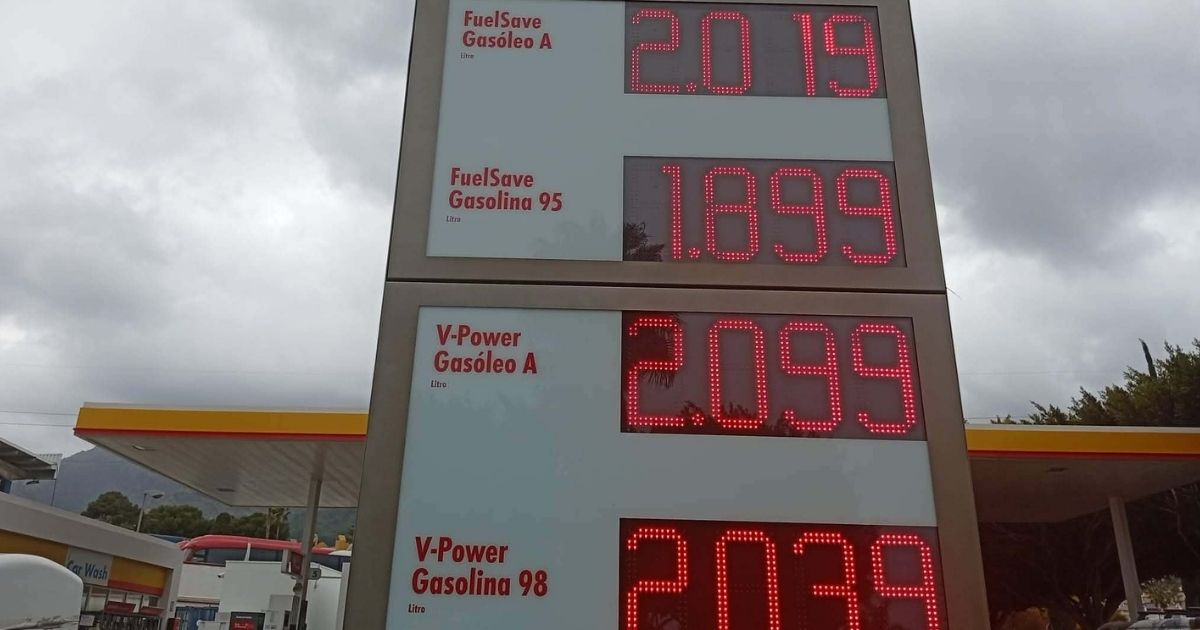
Pedro Sánchez has raised the stakes over the Strait of Hormuz, warning that the crisis is no longer just a Gulf security story but a direct threat to Europe’s economy, energy bills, and stability.
The Spanish prime minister used the weekend to demand the reopening of the key shipping route and the protection of oil and gas infrastructure across the Middle East, arguing that the fallout from the conflict cannot be allowed to spread into a deeper global energy shock. His intervention comes as Tehran has signalled that access through Hormuz is no longer normal, and as tensions with Washington continue to escalate.
Why is Spain so worried about the Strait of Hormuz?
Because what happens in Hormuz does not stay in Hormuz. Around a fifth of the world’s oil and liquefied natural gas shipments normally pass through the strait, making it one of the most sensitive choke points in global trade. Even partial disruption quickly feeds into prices, inflation fears and political pressure across Europe.
That is the real significance of Sánchez’s message. He is not simply commenting on a distant conflict. He is trying to frame the crisis in terms that Spanish and European voters will immediately understand: fuel, household costs, business pressure and wider economic instability.
From foreign policy warning to economic alarm
Sánchez said the world was facing a “global turning point” and insisted that the conflict must not be allowed to trigger a long-term energy crisis. RTVE and El País reported that Sánchez called for the reopening of the Strait of Hormuz and the protection of energy infrastructure across the Middle East, while warning that further escalation would have global consequences.
That marks a sharper domestic pitch from Moncloa. The argument is no longer just that the war should de-escalate. It is possible that Spain and Europe could soon be paying for it in very practical ways.
Spain is already preparing for the impact
Spain’s government has already moved to cushion the impact, with Moncloa confirming the release of oil reserves to help moderate the economic effects of the Iran war.
The Spanish government has not waited for the situation to worsen before acting. Last week it approved a €5 billion package designed to cushion the economic blow from the conflict, including measures linked to energy costs, while Reuters also reported that Spain had approved the release of up to 11.5 million barrels from strategic reserves over 90 days to help deal with supply disruption.
That tells you two things. First, Madrid thinks the risks are real enough to justify immediate intervention. Second, this is no longer being handled as a purely diplomatic issue. It is already moving into the territory of emergency economic management.
A Europe-wide problem, not just a Spanish one
Spain is not alone in this position. The European Council has already called for the reopening of Hormuz and urged that strikes on energy and water infrastructure stop, while continuing to push for de-escalation and respect for international law.
The real question is not simply whether Sánchez has demanded action. It is whether Spain can shield households and businesses if the Strait of Hormuz remains unstable for much longer.