 Lorraine Williamson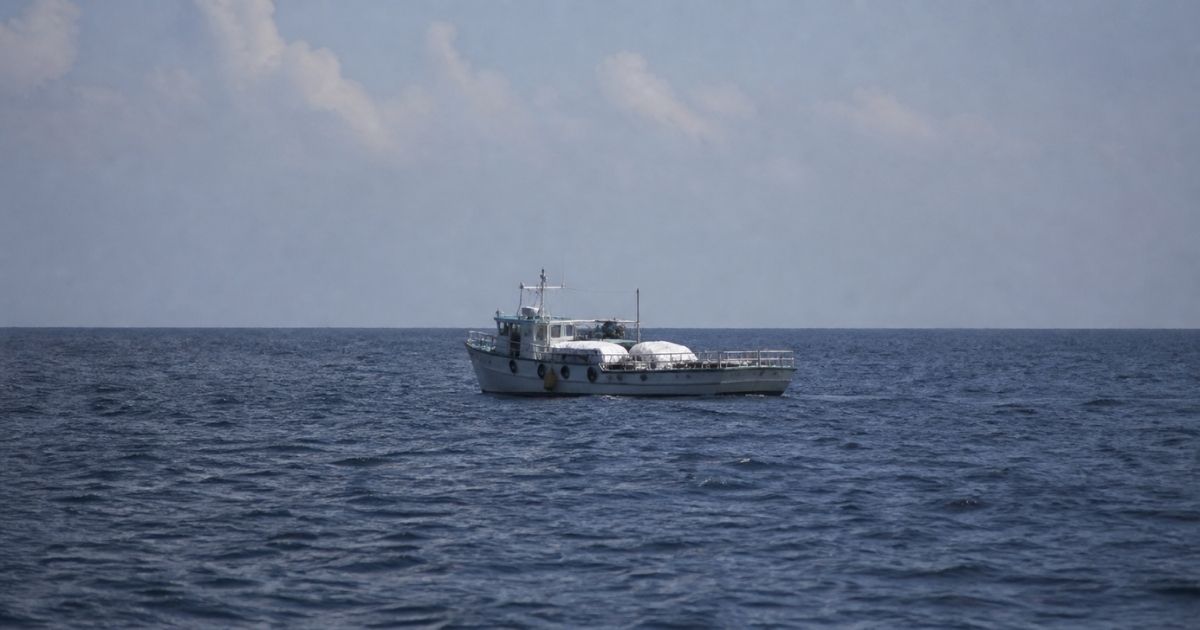
Spain has intensified diplomatic pressure on Israel after Spanish-Palestinian activist Saif Abukeshek was taken to Israeli territory for questioning following the interception of a Gaza-bound aid flotilla in international waters.
The Gaza flotilla activist Spain is seeking to protect is one of two people still being held by Israel after other members of the Global Sumud Flotilla were transferred to Crete. The other detainee is Brazilian activist Thiago Ávila. RTVE reported on Saturday that both men had arrived in Israel, citing information from Israel’s foreign ministry.
The case has moved beyond a consular dispute. Prime Minister Pedro Sánchez has called on the EU to suspend its association agreement with Israel, while Spain’s foreign ministry is seeking access to Abukeshek and demanding his release.
Madrid says the detention is illegal
Spain’s foreign minister, José Manuel Albares, has demanded Abukeshek’s immediate release and said he should have been taken to Crete with the rest of the flotilla participants.
Speaking on Catalunya Ràdio, Albares described the detention as illegal, saying it took place in international waters and outside Israeli jurisdiction. Spain has also summoned the Israeli embassy’s chargé d’affaires in Madrid to protest the arrests linked to the flotilla.
The Spanish government says its consular services in Israel and Greece are working to protect Spanish citizens affected by the interception. Nearly 30 Spanish participants were among those taken to Crete, according to Spanish media reports citing the foreign ministry.
Sánchez urges EU to suspend Israel agreement
Prime Minister Pedro Sánchez had already condemned the interception of the flotilla on April 30, writing on X that Israel was “once again violating international law” by assaulting a civilian flotilla in waters “that do not belong to it”.
He said the Spanish Government was doing everything necessary to protect and assist the detained Spanish nationals. However, he argued that this was not enough, calling on the EU to suspend its association agreement with Israel and demand that Benjamin Netanyahu comply with maritime law.
The comments place the detention of Saif Abukeshek inside a wider diplomatic dispute. Spain is not only asking for consular access and the release of a Spanish citizen. It is also using the incident to increase pressure on Brussels over its relationship with Israel.
A report by Anadolu also carried Sánchez’s X post and said he had urged EU-level action following the flotilla interception.
What happened to the flotilla?
The Global Sumud Flotilla set sail from Barcelona in April with the stated aim of taking humanitarian aid to Gaza and challenging Israel’s naval blockade.
Israeli forces intercepted 22 boats from the flotilla near Crete on Thursday night. AP reported that the flotilla involved 175 activists, while Reuters said more than 100 people were later transferred to the Greek island. Some required medical attention after disembarking, according to flotilla organisers and media reports.
Abukeshek and Ávila were not released with the rest of the group. Israel said the two would be taken for questioning and receive consular visits from representatives of their countries.
Israel defends the interception
According to Israel, the flotilla was stopped to enforce what it describes as a lawful naval blockade on Gaza.
Israel’s foreign ministry has accused Abukeshek of links to the Popular Conference for Palestinians Abroad, known as PCPA, which the United States has sanctioned. It also said Ávila was suspected of illegal activity. Those claims have been rejected by supporters of the flotilla.
The Israeli government has repeatedly argued that attempts to break the naval blockade are provocations rather than humanitarian missions. Activists say the voyage was a civil effort to draw attention to Gaza’s humanitarian crisis and to push for aid access.
Allegations of mistreatment
The Global Sumud Flotilla has accused Israeli forces of using violence during and after the interception.
RTVE reported that the organisers said 35 activists needed medical attention after alleged physical violence. The flotilla also claimed Abukeshek and Ávila had been mistreated after being separated from the rest of the group. These allegations have not been independently confirmed.
Albares said Spain has not yet been able to verify the claims of torture, but he stressed that Spanish consular officials are seeking access to Abukeshek.
In cases like this, consular access is crucial. It allows officials to confirm where a citizen is being held, assess their condition, and ensure legal assistance is available.
Why the case matters in Spain
The detention has a clear Spanish dimension. Abukeshek is a Spanish citizen of Palestinian origin and has reportedly lived in Barcelona for many years. El País described him as an activist involved in cooperation with Palestine and a member of the Palestinian community in Catalonia.
The case also comes at a time when Spain has taken an increasingly outspoken position on Gaza.
Madrid has recognised the State of Palestine, criticised Israeli military action, and repeatedly called for respect for international humanitarian law. This latest incident now places that foreign policy stance inside a direct consular dispute involving a Spanish citizen.
Brazil and other countries also involved
Brazil has also condemned the detention of Thiago Ávila. Spain and Brazil have both accused Israel of violating international law through the interception and continued detention of the two activists, according to Reuters and AP.
Other countries have been drawn in because the flotilla included activists from several nationalities. Some were transferred to Crete and began repatriation procedures, while others remained involved in the wider mission.
The incident has triggered protests and diplomatic statements in several countries. It has also renewed debate over humanitarian access to Gaza and the legality of attempts to breach the naval blockade.
The next hours will be decisive
The immediate question is whether Spanish consular officials will gain full access to Abukeshek and whether Israel will proceed with questioning, deportation or further legal action.
For Spain, the priority is clear: secure his release and return. For Israel, the case is being presented as part of its enforcement of the Gaza blockade.
Between those two positions lies a wider dispute over international law, humanitarian aid, and the limits of protest at sea.
Until Abukeshek’s legal status and physical condition are confirmed, the case is likely to remain a live diplomatic flashpoint between Madrid and Israel.
Israel Spain Gaza row deepens over CMCC veto