 Lorraine Williamson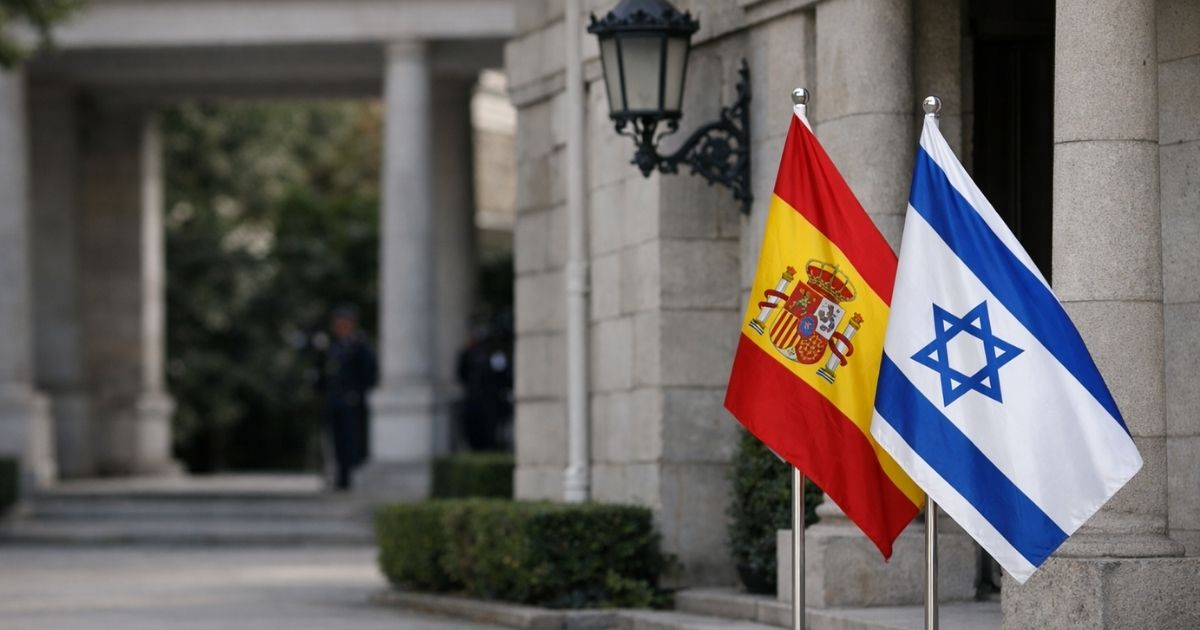
Spain has made the withdrawal of its ambassador to Israel definitive, reducing its diplomatic representation in Tel Aviv to the level of chargé d’affaires in the clearest sign yet that relations between the two countries have sunk into a deeper and more lasting rupture.
The move was formalised in the Official State Gazette on Wednesday, 11 March, and affects ambassador Ana Sálomon Pérez, who had already been called back to Madrid in September and had not returned to her post. According to El País, the decision was political rather than personal, and leaves Spain with lower-level representation in Israel rather than a full ambassador.
The downgrade also brings Spain’s position into line with the one Israel has maintained in Madrid since the diplomatic fallout triggered by Spain’s recognition of the Palestinian state in 2024. In practice, that means the relationship is no longer being managed at the ambassador level on either side.
A diplomatic relationship that keeps worsening
This is not a sudden break from nowhere. Ties between Madrid and Tel Aviv have been tense for months, and the latest step confirms that what began as a temporary withdrawal has now become official policy. El País reports that the change comes amid continuing bilateral tension, including recent offensive remarks directed at the Spanish government by Israeli foreign minister Gideon Saar.
That matters because diplomatic downgrades are rarely only symbolic. They affect tone, access, and the day-to-day handling of relations between governments. Spain is not closing its mission in Israel, but by operating through a chargé d’affaires rather than an ambassador, it is unmistakably signalling that normal relations have not been restored.
What changes now
For readers trying to understand the practical meaning of the announcement, the key point is simple. Spain still has diplomatic representation in Israel, but at a lower rank. That allows embassy work to continue while reflecting the severity of the current dispute.
The distinction is important. This is not the same as shutting an embassy or severing diplomatic ties altogether. It is, however, a clear hardening of Spain’s foreign-policy stance at a moment when the wider Middle East crisis is already putting heavy pressure on Spanish diplomacy, consular operations, and evacuation efforts across the region. Spain has in recent days also evacuated diplomatic staff from Tehran because of the deteriorating security situation there.
The consequences of the conflict
This is one of those foreign-policy stories that reaches well beyond diplomatic protocol. Spain has thousands of nationals across the wider region, is already carrying out major evacuation operations, and is trying to balance consular responsibilities with a tougher public stance on the conflict and its consequences.
It also shows how a crisis abroad can reshape Spain’s own international posture. What might once have been handled as a temporary recall has now become a formal downgrade, and that points to a relationship still moving in the wrong direction. Unless there is a major diplomatic reset, Wednesday’s decision suggests Madrid expects this freeze to last.
Spain-Israel relations
The embassy in Tel Aviv remains open, so the practical machinery of diplomacy is still in place. But this is no longer a short-term gesture. It is an official lowering of the relationship, published and formalised, at a time when the Middle East crisis is already reshaping Spain’s foreign policy choices.
The next question is whether this remains a contained diplomatic freeze or becomes part of an even broader deterioration in Spain-Israel relations in the weeks ahead. For now, the message from Madrid is unmistakable: the ambassador is not going back.