 Lorraine Williamson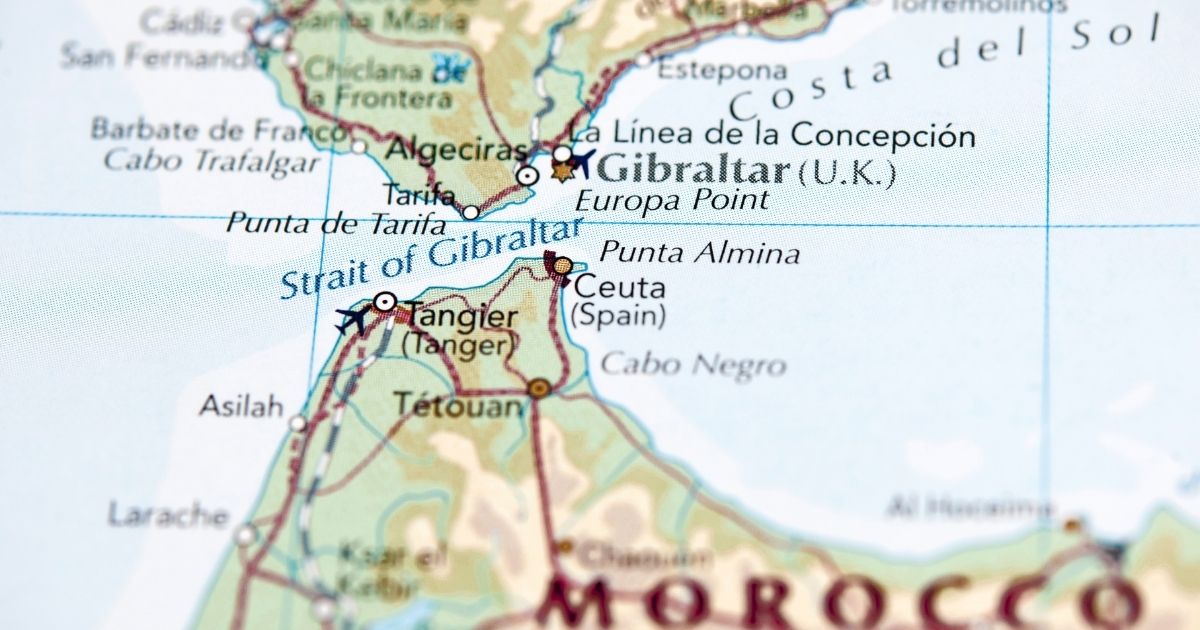
A diplomatic row over Ceuta and Melilla sovereignty has moved back into the spotlight after a US congressional report described the two Spanish autonomous cities as being located in Moroccan territory and “under Spanish administration”.
The wording has caused anger in Spain and celebration among Moroccan commentators, who see it as a sign that Washington may be edging closer to Rabat’s long-standing position. However, Spain’s government has rejected any suggestion that the status of the two cities is open to discussion.
A sensitive phrase in a US report
The controversy centres on a report linked to the US House Appropriations Committee. According to Spanish and Moroccan media, the document refers to Ceuta and Melilla as Spanish-administered cities located in Moroccan territory and subject to Morocco’s long-standing claim. It also supports diplomatic engagement between Spain and Morocco over their “future status”.
That wording matters.
Ceuta and Melilla are not overseas colonies in Spain’s constitutional order. They are autonomous Spanish cities, part of the Spanish state and the European Union’s external border in North Africa.
For Madrid, their sovereignty is not a negotiable issue. Foreign minister José Manuel Albares responded by saying the Spanishness of Ceuta and Melilla was as beyond doubt as that of Valladolid or Santiago de Compostela.
Why Morocco sees an opening
Morocco has never abandoned its claim over the two cities. Rabat has also used the language of colonialism when referring to Spain’s presence in Ceuta, Melilla and other small Spanish-held territories along the North African coast.
Moroccan media have interpreted the US report as more than a technical footnote. Some have framed it as evidence of a new diplomatic climate, drawing comparisons with Washington’s recognition of Morocco’s position over Western Sahara during Donald Trump’s first presidency.
That comparison is politically loaded. Western Sahara remains one of the most sensitive issues in North African diplomacy, and Spain’s 2022 shift towards Morocco’s autonomy plan marked a major change in Madrid’s foreign policy.
Ceuta and Melilla are different. Spain considers them fully Spanish territory. But the appearance of their status in a US congressional document has unsettled Madrid because it internationalises a question Spain has long treated as closed.
Washington’s words come at a difficult moment
The report has appeared during a tense period in Spain’s relationship with the United States.
Spanish media have linked the issue to wider friction between Madrid and Washington over defence spending, foreign policy and the use of Spanish bases. El País also reported that the disputed wording appears in an explanatory document rather than the main legislative text, and that the proposal would still need to pass through the US political process.
That distinction is important. The report does not mean the United States has formally changed its official policy on Ceuta and Melilla.
Even so, the language has given Rabat’s supporters a talking point. It has also raised concern in Spain about whether Morocco’s position is gaining ground among some political figures in Washington.
Why Ceuta and Melilla matter beyond symbolism
Ceuta and Melilla are small in size but strategically important.
They sit on the southern edge of the Strait of Gibraltar region, a corridor linking the Atlantic and Mediterranean. They are also land borders between the European Union and Africa, making them central to migration policy, trade, security and Spain’s relationship with Morocco.
Both cities have lived for years with the practical consequences of diplomatic tension. Border closures, trade restrictions, migration pressure and security concerns have all shaped daily life there.
That is why any suggestion of a “future status” debate is viewed so seriously in Spain.
A story with high political and public interest
For Spain, this is not only a foreign policy issue. It touches national identity, territorial integrity and the country’s place in a changing geopolitical map.
For Morocco, the US report is being read by some as a sign that long-standing claims may be gaining more international visibility.
For residents of Ceuta and Melilla, however, the debate is not abstract. It affects how their cities are discussed, defended and understood abroad.
The immediate legal position has not changed. Ceuta and Melilla remain Spanish autonomous cities. But the diplomatic language around them has become sharper, and Spain will be watching closely to see whether this remains a passing controversy or becomes part of a wider shift in Washington’s approach to North Africa.