 Lorraine Williamson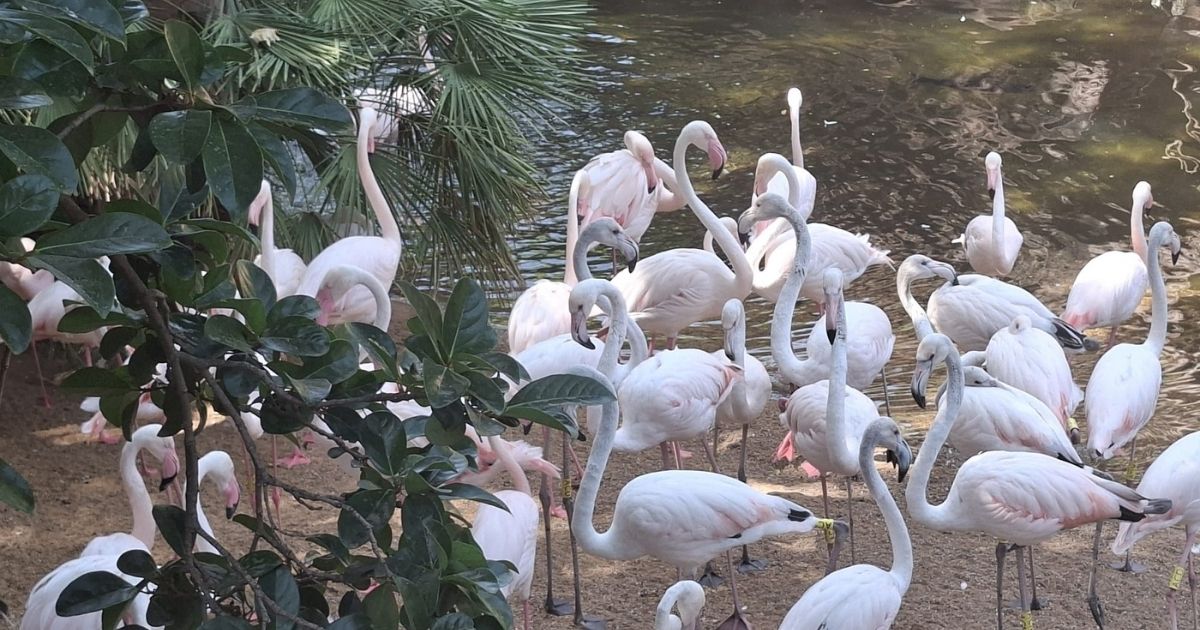
A flight bound for Liverpool returned to Alicante-Elche Airport on Monday morning after striking a large bird moments after leaving the runway. Passengers faced a two-hour delay before the journey was completed safely.
A Ryanair flight heading from Alicante to Liverpool was forced to turn back to Spain shortly after takeoff on Monday morning after the aircraft struck a bird just as it left the runway. The incident, which triggered an immediate return to Alicante-Elche Airport, left passengers facing an unexpected wait on the ground but ended without injury.
The flight, operating as FR56, had been scheduled to depart at around 7.20 am and was due to land at Liverpool John Lennon Airport at 9.10 am. Shortly after leaving the runway, the crew requested an immediate return for safety reasons, according to air traffic control sources. Controllers cleared the airspace to the southeast of the airport to allow the aircraft to circle before making its approach back in. The plane landed safely approximately forty minutes after takeoff, with no reported injuries.
Safety checks and a two-hour delay
After landing, the aircraft underwent the necessary safety inspections on the ground. This is standard procedure following any bird strike, regardless of how minor it may appear. Once cleared, the flight departed again at 9.19 am, around two hours behind schedule, and completed the journey to Liverpool without further incident, touching down at 10.33 am.
Ryanair confirmed that a replacement aircraft had been prepared for passengers during the wait. No statement was issued regarding the specific type of bird involved.
Flamingos in the frame
The identity of the bird has not been formally confirmed, but speculation has focused on the location. Alicante airport sits close to salt flats that are home to thousands of migrating flamingos during the spring months. Consequently, if the strike involved a bird of that size, it would explain the seriousness with which the crew treated the incident. Modern jet engines are built to handle small birds, but a larger species, or a flock, can cause significant mechanical damage if drawn into a turbine.
Airports, including Alicante-Elche, use a range of deterrents to keep runways clear of wildlife, including sirens, recorded predator calls, trained birds of prey, and laser systems. Bird strikes are relatively common in aviation globally, but serious incidents remain rare. The vast majority result in no damage and no disruption.