 Lorraine Williamson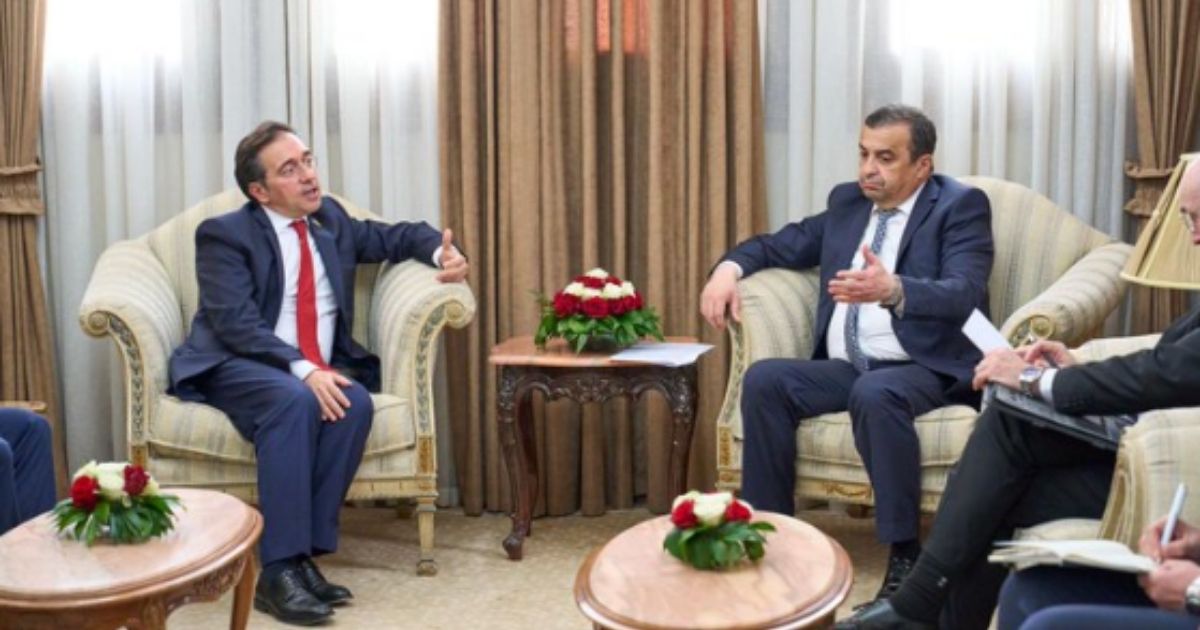
Spain and Algeria are in advanced talks to increase gas supplies to Europe, as rising global tensions continue to put pressure on energy markets. Officials from both countries are now discussing a potential boost in pipeline deliveries, signalling a renewed phase in their strategic energy relationship.
The timing matters. As instability in the Middle East pushes governments to reassess energy resilience, Spain is seeking to protect itself from further price shocks and supply uncertainty. Reuters reported that Algeria already accounted for more than 29% of Spain’s gas imports in the first two months of 2026, making it one of the country’s most important external suppliers.
Medgaz pipeline back in the spotlight
At the centre of the latest discussions is Medgaz, the subsea pipeline linking Algeria directly to Spain. Reuters reported that the two sides are in advanced talks to increase pipeline gas supply by up to 10%, potentially adding around 1 billion cubic metres a year. That would be a meaningful increase at a moment when energy volatility is once again shaping political and economic decisions across Europe.
Spanish Foreign Minister José Manuel Albares was in Algiers this week for talks with Algerian President Abdelmadjid Tebboune and other senior officials. According to Reuters, the discussions focused on closer energy cooperation and the broader impact of the Middle East crisis on regional stability and international markets.
The talks follow recent diplomatic efforts to strengthen ties after a period of strained relations, with energy security once again a central priority for both countries.
More than a routine energy story
This is not just a technical supply update. It lands in the middle of a wider geopolitical moment in which Spain has taken a more outspoken position than some of its European partners over the US-Israeli military action against Iran. Reuters reported earlier this week that Pedro Sánchez said ordinary citizens should not be forced to pay the economic price of the conflict, as his government rolled out a support package aimed at cushioning households and businesses from the fallout.
That broader diplomatic context became even clearer on Thursday when Reuters reported that Iran said it would be receptive to any request from Spain concerning vessel transit through the Strait of Hormuz, citing Spain’s respect for international law. The gesture appeared unusual because it was framed as a concession to a European Union country at a time of heightened regional tension and growing concern over maritime disruption.
Why Spanish readers should care
For Spain, this story matters because energy security is no longer a distant policy issue. It feeds directly into household bills, transport costs, industrial competitiveness and inflation. Reuters has reported that the war has already disrupted global oil and LNG flows through the Strait of Hormuz, one of the world’s most strategically important chokepoints, through which roughly a fifth of global oil supply normally passes.
That helps explain why Spain is looking to reinforce a more stable pipeline-based relationship with Algeria rather than relying too heavily on a market rattled by war, shipping risk and diplomatic uncertainty. Algeria has long been a crucial gas partner for Spain, but the latest talks suggest that relationship is taking on renewed strategic weight.
A pragmatic shift in a volatile moment
There is also a political balancing act here. Spain wants to defend international law, call for de-escalation and avoid being drawn into a wider military response, while at the same time protecting its own economic interests. Reuters reported this week that Albares reacted cautiously to Iran’s comment about Spain and Hormuz, stressing that Spain backs sanctions on Iran and continues to urge diplomacy.
Even so, Thursday’s developments point to one clear conclusion: as the Iran war unsettles markets and shipping, Spain is leaning harder on Algeria as a dependable energy partner. Whether the proposed Medgaz increase is finalised quickly or not, the direction of travel is now unmistakable. In a week dominated by conflict abroad, Madrid has been trying to secure a little more stability closer to home.