 Lorraine Williamson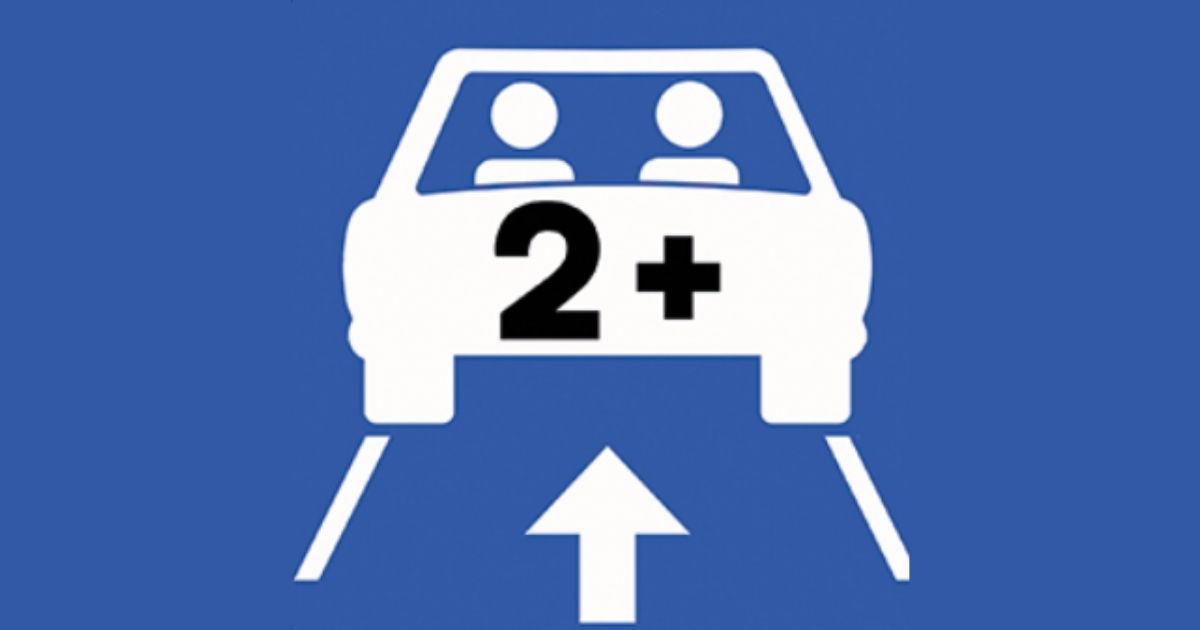
DGT VAO lane fines are back in the spotlight after renewed warnings over who can use Spain’s high-occupancy traffic lanes. The rule is not a general ban on driving alone. It applies to specific VAO and Bus-VAO lanes, where access is reserved for certain vehicles and usually requires at least two people in the car.
For drivers in Spain, the detail matters. These lanes are designed to ease congestion on busy access roads into major cities. They give priority to public transport, motorcycles and vehicles carrying more than one occupant.
Use one incorrectly, however, and the sanction can be costly. Misusing a reserved VAO lane is treated as a serious traffic offence and can mean a €200 fine. The Dirección General de Tráfico has confirmed that its 2026 traffic measures give priority to public transport and high-occupancy vehicles on these lanes.
What is a VAO lane in Spain?
VAO stands for Vehículos de Alta Ocupación, or high-occupancy vehicles.
In simple terms, a VAO or Bus-VAO lane is a reserved lane for vehicles carrying a minimum number of people. In most cases, that means at least two occupants, including the driver. The DGT says these lanes are intended to move more people, not just more vehicles, especially on roads that suffer heavy commuter traffic.
They are often found on busy approaches to cities, where morning and evening traffic can quickly build up.
The rule is not new, but enforcement is becoming more visible
Several Spanish motoring websites have recently reported on cameras and systems designed to detect whether a vehicle is being used correctly in a VAO lane.
That has caused some confusion. The important point is this: Spain has not banned solo driving. Drivers can still travel alone in ordinary lanes.
The risk comes when a solo driver enters a lane reserved for high-occupancy vehicles without meeting the conditions shown on the signs or overhead panels.
Fact-checking organisation Maldita.es has also warned that some online claims have exaggerated the issue. It said the penalties are not new and apply specifically to VAO lanes, not to ordinary roads. It also reported that the DGT had said, as of 22 April 2026, there had been no recent general change creating new fines for solo drivers outside those reserved lanes.
Where are these lanes in Spain?
The DGT lists Bus-VAO lanes currently in service in its area of responsibility on the A-6 in Madrid, the A-357/A-7056 access towards Málaga’s technology park, and the V-21 in Valencia. It also lists planned or developing corridors, including the A-2 in Madrid, routes around Seville, and future projects in Tenerife.
The DGT’s 2026 traffic resolution also refers to high-occupancy corridors in Madrid, Granada, Seville, Málaga, Mallorca and Valencia, with operation depending on the relevant fixed or variable signage.
That means drivers should not assume every lane works the same way. The valid rule is the one shown on the road signs and electronic panels at that moment.
Which vehicles can use a Bus-VAO lane?
The DGT’s 2026 resolution says these lanes are being refocused around vehicle occupancy, not simply the type of fuel or environmental label.
In general, the lanes may be used by vehicles such as cars with the required number of occupants, motorcycles, buses and certain authorised vehicles. However, the exact conditions can vary by road, time of day and signage.
One of the key changes for 2026 is that cars with environmental labels, including zero-emission vehicles, no longer automatically have free access to VAO lanes when only one person is inside. Their access may depend on traffic conditions and what the overhead message panels say.
What sign should drivers look for?
Drivers should watch for the S-51b sign, which marks one or more lanes reserved for high-occupancy vehicles. The DGT describes it as a sign for lanes used exclusively by vehicles with high occupancy, with the image showing how many people are required in each case.
Some lanes may also have road markings, white diamonds, the words BUS or VAO painted on the asphalt, or variable message panels above the road.
If the lane is active, the signage matters more than habit. A driver who used a lane legally last year may not be allowed to use it today if the conditions have changed.
Why has the DGT tightened the rules?
The DGT says the aim is to recover the original purpose of these lanes: giving priority to shared vehicles and public transport.
According to the traffic authority, the A-6 Bus-VAO in Madrid has seen rising congestion. In 2025, traffic intensity on the Bus-VAO lane was 22% higher than in 2019, while delays on that lane had increased by 90%.
For the DGT, the issue is not only road space. It is also about public transport reliability. If buses get stuck behind single-occupancy cars in a lane designed to move more people, the system loses its purpose.
What drivers should do before using a VAO lane
The safest approach is simple. Before entering a VAO or Bus-VAO lane, check the sign, check the number of occupants required, and check whether the lane is active at that time.
Do not assume that an environmental badge gives automatic access. Do not assume that a lane is free to use because other cars are entering it.
Most importantly, remember that this is not about punishing ordinary solo drivers. It is about enforcing the rules on reserved lanes. For anyone driving into Madrid, Málaga, Valencia, Seville, Granada, Palma or other busy urban areas, it is a rule worth knowing before the next journey.
A small sign with a costly consequence
Spain’s VAO lanes are becoming more important as cities look for ways to cut congestion without building endless new roads. They are also becoming more visible to drivers who may never have paid much attention to them before.
For most motorists, the message is straightforward. Driving alone is still allowed. Driving alone in the wrong reserved lane is where the €200 problem begins.
Spain launches free DGT 018 helpline for road accident victims