 Lorraine Williamson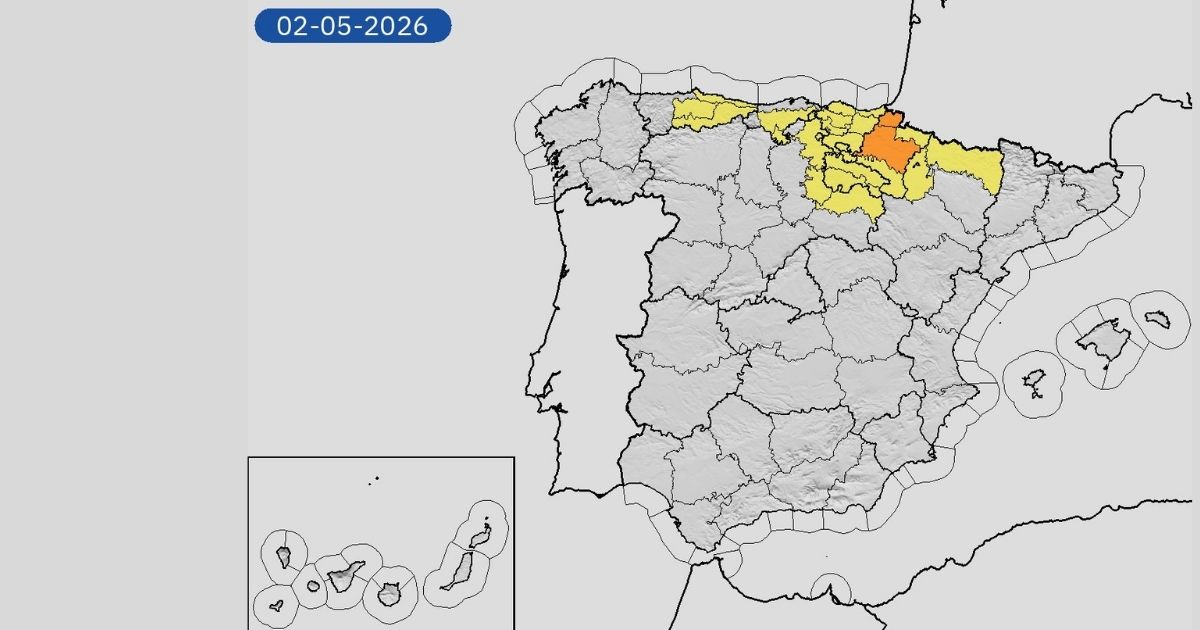
Spain´s May bridge weather is set to turn unsettled this weekend, with showers, storms, possible hail and heavy return traffic likely to affect parts of the country before the end of the long weekend.
After a busy May Day getaway, travellers now face a second concern: the journey home. The DGT’s special 1 May operation covers more than six million long-distance road journeys and remains active until midnight on Sunday, May 3. The agency has warned that traffic will be concentrated over a shorter period than in longer holiday breaks, increasing the risk of congestion on key routes.
Saturday brings the most unsettled weather
The most unstable weather is expected on Saturday, May 2, when showers and storms could affect several areas of Spain.
According to AEMET forecasts, showers and thunderstorms may be locally strong, especially in parts of the east, southeast and mountain areas. Some storms could bring hail and strong gusts of wind.
The outlook is typical of a changeable spring weekend, but it could still disrupt outdoor plans, road journeys and city breaks during one of Spain’s busiest short holiday periods.
Where could storms be strongest?
The worst of the unsettled weather is expected to affect parts of the north and east of mainland Spain, with storms also possible in mountain areas and parts of the southeast.
Spanish weather reports based on AEMET forecasts point to showers, thunderstorms, possible hail and strong gusts during the bridge weekend, with Saturday likely to be the most complicated day.
The most stable conditions are expected to be in Extremadura and western Andalucia, although isolated showers cannot be ruled out there either.
Sunday return traffic could be slow
The weather risk comes just as many drivers prepare to return home.
The DGT operation began at 3.00 pm on Thursday, April 30, and runs until midnight on Sunday. In total, 6.04 million long-distance journeys are expected across Spain during the May bridge.
The busiest return period is expected on Sunday afternoon and evening, particularly on routes leading back into major cities such as Madrid, Barcelona, Valencia, Sevilla, Málaga and Zaragoza.
Coastal routes, roads from second-home areas and access points near mountain or leisure destinations may also be busier than usual.
A short bridge means journeys are more concentrated
This year’s May bridge is shorter than in some previous years because May 2, a public holiday in Madrid, falls on a Saturday. The DGT says that reduces the total number of journeys compared with longer breaks, but it also means many people are likely to travel at similar times.
That can make bottlenecks worse, especially if storms, wet roads or low visibility affect travel conditions.
Drivers heading home on Sunday should check live traffic before setting off, leave extra time, and avoid the busiest afternoon and evening period if possible.
Practical advice for the weekend
Anyone travelling during the rest of the May bridge should check both weather alerts and traffic updates before leaving.
Wet roads, hail, gusty winds and sudden downpours can quickly change driving conditions, particularly on secondary roads, mountain routes and busy coastal corridors.
The safest approach is to avoid rushing, keep more distance than usual, and be prepared for slower journeys into major cities on Sunday.
A weekend to watch, not panic
The May bridge is not expected to be a washout everywhere. Many areas will still see dry spells, and the weather should vary considerably from region to region.
But the combination of spring storms and heavy Sunday return traffic means this is a weekend where plans may need adjusting.
For anyone travelling across Spain, the message is simple: check the forecast, check the roads, and allow more time than usual.