 Lorraine Williamson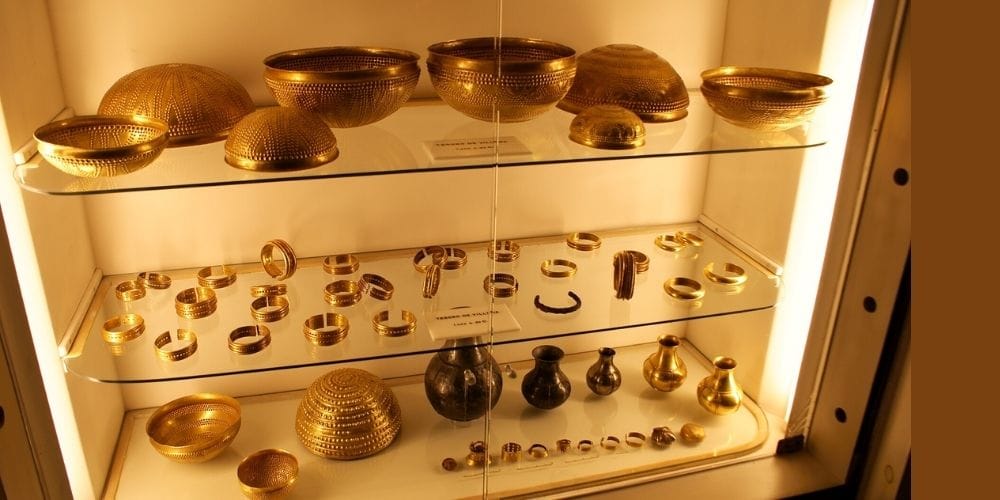
A large part of the 3,000-year-old Treasure of Villena has been stolen from a museum in Alicante province in a carefully executed early-morning raid. The Guardia Civil is investigating after thieves broke into the Museo de Villena (MUVI) and escaped within minutes with much of one of Spain’s most important archaeological collections. The museum remains closed while the investigation continues.
The alarm was raised shortly after 5.20 am on Thursday, 27 August. Investigators believe several people using more than one vehicle were involved in the raid, entering the museum through a side window before targeting its most valuable exhibits.
Government subdelegate Manuel Pineda said the robbery was carried out extremely quickly, with the thieves inside for only a matter of minutes. The Guardia Civil’s Judicial Police unit is leading the investigation and officers have been examining security-camera footage and evidence from the museum.
EFE reported that initial inquiries pointed to three masked people, although investigators have not publicly established the final number involved. No arrests or recovery of the stolen treasure had been announced by Friday morning.
The thieves also took three historic crowns belonging to the Virgen de las Virtudes and the Child, which were kept at the museum. Authorities are now trying to establish the full inventory of what was removed.
One of Europe’s great Bronze Age discoveries
The Treasure of Villena was discovered in 1963 by archaeologist José María Soler and is considered one of the most significant prehistoric gold finds in Europe.
The collection dates to around 1000 BC and contains an extraordinary group of gold, silver, iron and amber objects. According to Villena council, it includes 11 gold bowls and 28 bracelets, together with bottles and other pieces.
In total, the collection contains almost 10kg of high-purity gold and more than 600g of silver. Among its most unusual objects are pieces combining iron and gold, providing important evidence about the use and value of iron during the Late Bronze Age.
Its importance extends well beyond the monetary value of the precious metals. The collection offers archaeologists an exceptional insight into craftsmanship, wealth and social structures on the Iberian peninsula around three millennia ago.
The circumstances in which the treasure was originally hidden remain uncertain. Soler suggested it may have been concealed by a ruler, an elite group or other owners during a period of danger and never recovered.
Museum remains closed after raid
MUVI opened in its current form in 2024, bringing Villena’s archaeological and historical collections together in a renovated museum space. The original Treasure of Villena formed the centrepiece of the collection.
The Guardia Civil has specialist procedures for investigating crimes involving historical and cultural heritage, and its Judicial Police unit is now examining how the thieves entered and escaped from the building.
RTVE reports that investigators have access to the museum’s CCTV recordings. Villena mayor Fulgencio Cerdán said the museum had passed the required security tests before opening, while the theft has prompted questions over how such an important collection could be removed so quickly.
The museum remains closed to visitors while investigators continue their work. Recovering the stolen pieces is now the priority, with the loss extending far beyond their financial value to an irreplaceable part of Spain’s archaeological heritage.