 Lorraine Williamson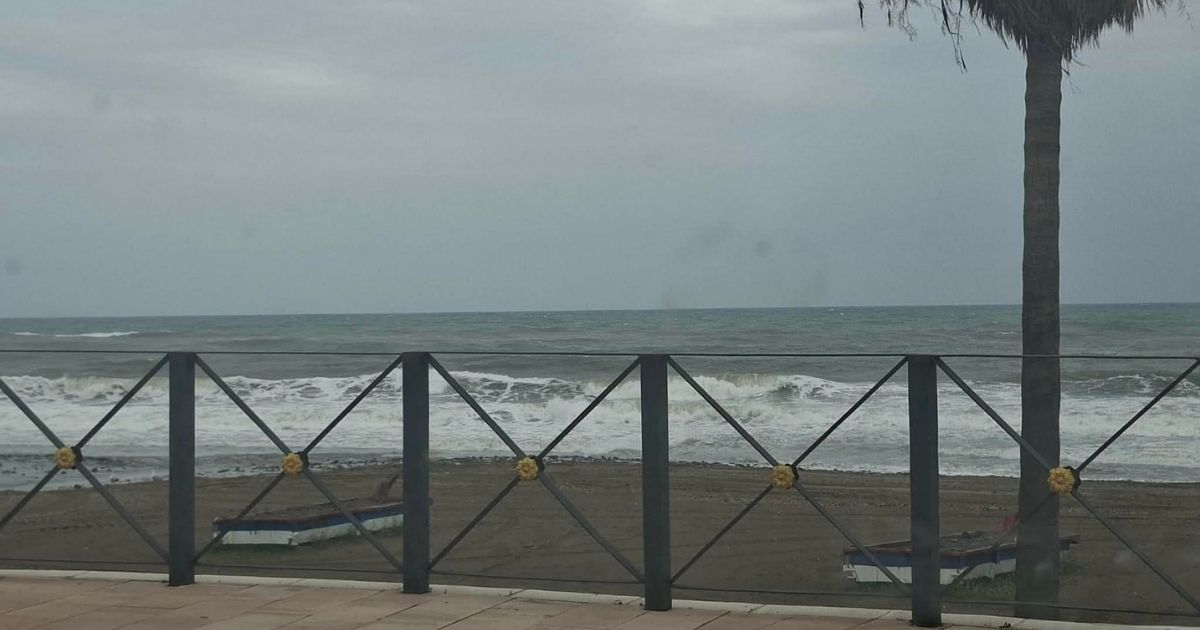
Storm Therese is still causing major disruption across the Canary Islands on Saturday evening, with heavy rain, strong winds, rough seas, and snow in high areas of Tenerife keeping the archipelago on alert into the weekend. The latest reports said orange warnings remained in place for parts of the islands, while transport disruption and dangerous coastal conditions continued to affect normal life.
The storm is no longer just a forecast story. By Saturday, it had become an ongoing disruption story, with 11 flights cancelled, warnings for waves of more than four metres, and fresh concern over heavy rain in the higher islands. National broadcaster Cadena SER reported that Gran Canaria, La Palma, La Gomera, El Hierro, and Tenerife were among the areas under orange alerts for wind and rain, while Lanzarote and Fuerteventura were also facing warnings linked to wind and coastal conditions.
Tenerife snow adds to the weekend weather picture
One of the most striking details of the storm has been the snow in Tenerife’s high ground, adding an unusual late-winter edge to a weather system already bringing rain, wind, and poor sea conditions. AEMET’s latest forecast said snowfall was expected in high areas of the Canary Islands, while earlier coverage pointed to snow levels around 1,900 to 2,200 metres.
That mix of rain at lower levels and snow on the peaks has helped make Therese one of the most talked-about weather systems to hit the islands this season. Earlier this week, local reporting described it as the worst storm to affect the Canary Islands in 13 years, with fears of flooding, landslides, and disruption to public life.
Flights, sport, and daily life disrupted
The effects have gone beyond the weather maps. Saturday’s reporting said the storm had already led to 11 cancelled flights, while rough seas and strong winds continued to pose problems for travel and coastal activity.
In Tenerife, the disruption also spilled into sport. Local football and futsal matches and training sessions scheduled for Saturday were suspended in the province of Santa Cruz de Tenerife because of the adverse weather alert, according to Radio Club Tenerife. That gives the storm a wider social impact too, especially for families and clubs expecting a normal weekend schedule.
Why Therese is still a live story this evening
By 6.45 pm on Saturday, this was no longer really about what Therese might do. It was about what it was still doing. Cadena SER said the storm was continuing to lash the islands with intense rainfall, occasional storms, and very rough seas. Meanwhile, AEMET’s forecast still described an unstable situation in the Canaries with widespread cloud, rain, and unsettled conditions.
That makes it a valid Saturday evening story because the practical risk has not passed. For residents and travellers, the key message remains the same: conditions are still dangerous in places, the sea remains rough, and disruption is continuing into the weekend.
A storm with effects beyond the Canaries
Although the Canary Islands remain the main focus, Therese has also pushed unsettled weather towards the southern parts of mainland Spain. Earlier reporting said the system was extending towards the south of the peninsula, though with the most serious impacts clearly concentrated in the islands.
For now, though, the headline remains firmly in the Atlantic. Snow in Tenerife, strong winds, heavy rain, cancellations, and rough seas have made Storm Therese one of the weekend’s biggest weather stories in Spain, and the islands are not out of it yet.