 Lorraine Williamson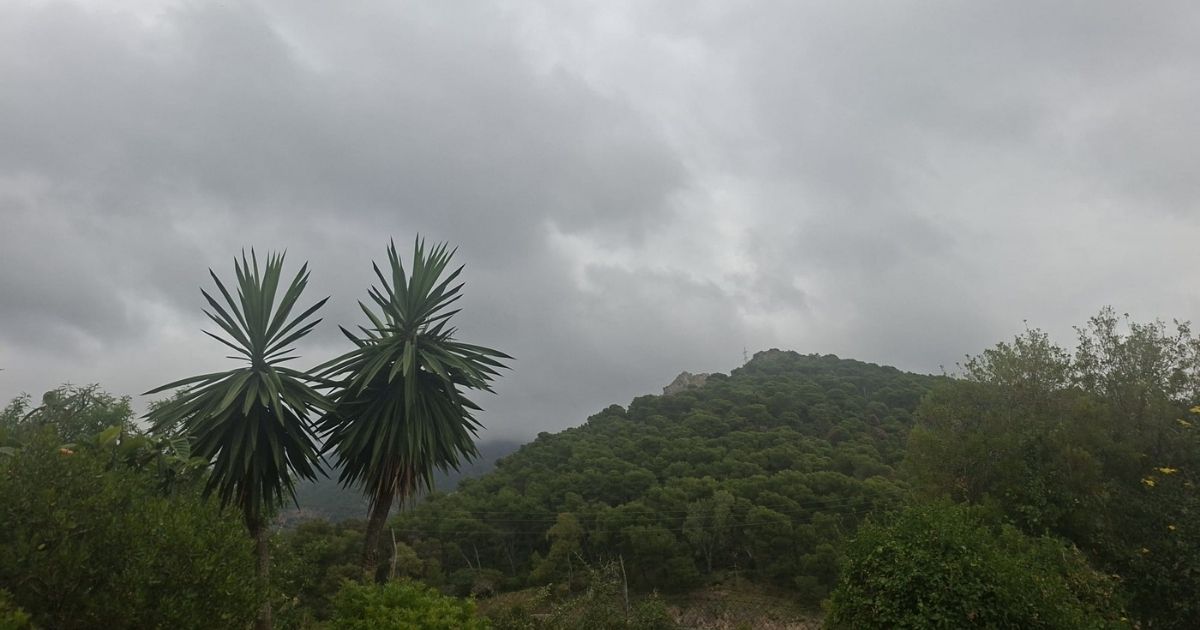
Spain’s May holiday weekend is turning into a mixed picture of heavy showers, cooler temperatures and growing pressure on the roads as millions of people travel between cities, coastal areas and second homes.
The unsettled weather comes just as the DGT continues its special May Day traffic operation, with more than six million long-distance road journeys expected between Thursday afternoon and midnight on Sunday.
Rain and storms move across Spain
AEMET has activated weather warnings for rain, storms and wind in several parts of Spain this Saturday, with the north of the country expected to see some of the most difficult conditions.
Navarra is among the worst-affected areas, with orange-level warnings for heavy rain. Other parts of the north, centre and east of the peninsula are also facing yellow warnings for showers, storms and possible hail.
The change follows several days of warmer weather in parts of Spain. However, a low-pressure system has now brought cloud, rain and a noticeable fall in temperatures across much of the country.
A colder and more unsettled Saturday
The heaviest showers are expected in parts of the northern half of the peninsula, with La Rioja, Navarra, the Basque Country, Cantabria, Asturias, Castilla y León, Castilla-La Mancha and Aragón among the areas affected.
Some storms may also bring small hail, especially during the afternoon. Conditions are expected to be calmer in the Balearic Islands, where high cloud is more likely than rain. The Canary Islands should see more settled weather.
For anyone travelling, walking in rural areas or planning outdoor events, the message is simple: check local forecasts before leaving. Conditions may change quickly, especially in inland and mountain areas.
DGT expects more than six million journeys
The weather comes during one of Spain’s busier road periods of the spring. The DGT launched its special 1 May traffic operation at 3.00 pm on Thursday, April 30, and it will remain in place until midnight on Sunday, May 3.
Traffic officials expect around 6.04 million long-distance road movements during the operation. Many journeys are linked to coastal areas, tourist destinations, mountain zones and second homes, particularly in Andalucia and the Levante.
Although Saturday is not expected to bring the worst congestion, the DGT says weekend departures will continue during the day. The first return journeys are expected to begin on Saturday afternoon, before intensifying on Sunday.
Sunday return traffic could be the busiest point
The most difficult road conditions are expected from early Sunday afternoon, when traffic will build on the main routes back into large cities.
The DGT says possible delays are likely first on motorways and dual carriageways before gradually moving towards the entrances to major urban areas. Additional traffic measures are expected on Sunday afternoon and evening in Andalucia, the Valencia region, Castilla-La Mancha, Castilla y León, Madrid and Murcia.
Drivers are being advised to plan journeys carefully, avoid the busiest times where possible and allow extra time for poor weather or heavy traffic.
Extra surveillance on roads
The DGT says it is using fixed and mobile speed cameras, helicopters, drones and cameras that monitor mobile phone and seatbelt use during the operation. Guardia Civil traffic officers, control-centre staff and road management teams are also being deployed.
Roadworks are being paused in some areas to reduce congestion, while reversible and additional lanes may be used where traffic pressure is highest.
The DGT has also reminded drivers of the importance of using the V16 warning beacon in the event of a breakdown or incident. This allows other road users to be alerted through variable message signs and navigation systems.
A weekend to plan carefully
For many people in Spain, the May holiday weekend is a chance to escape to the coast, visit family or enjoy a short spring break. This year, however, travellers may need more patience than usual.
Rain, storms and cooler weather could affect outdoor plans on Saturday, while Sunday’s return traffic is likely to put pressure on key routes back into major cities.
Those travelling by road should check the latest DGT traffic updates before leaving. Anyone heading into areas under AEMET weather warnings should also review local forecasts and avoid unnecessary risks during heavy rain or storms.