 Lorraine Williamson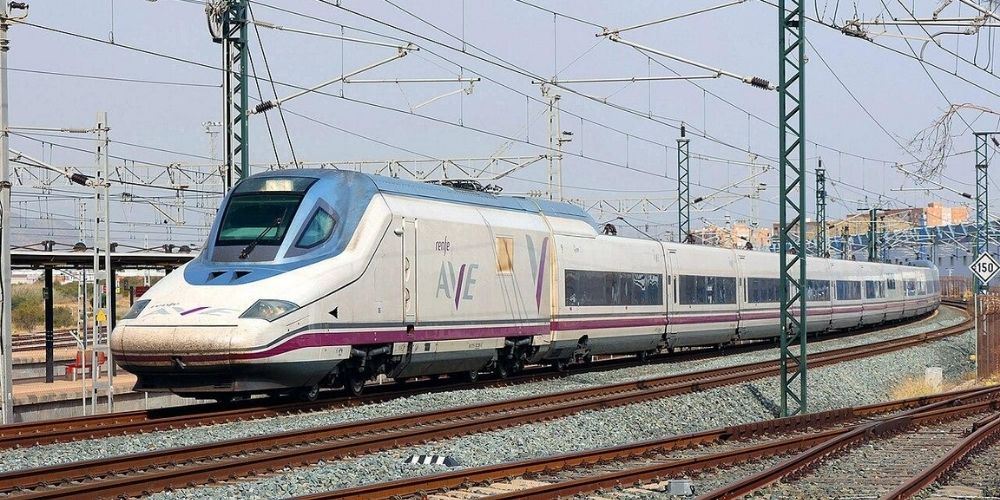
Passengers travelling between Madrid and Barcelona face further delays and possible cancellations after Spain’s rail infrastructure manager, Adif, warned that normal high-speed services are unlikely to resume until early next week. Trains are still sharing a single track through part of Zaragoza province following a fire on an AVE train on Monday, 12 October.
Adif confirmed on Wednesday that the damaged section between Ricla and Plasencia de Jalón remains restricted while work continues to remove the burned train and repair the railway infrastructure. Renfe, Ouigo and Iryo have adjusted their services to accommodate the reduced capacity, with passengers advised to check their journeys before travelling.
The disruption affects one of Spain’s busiest high-speed rail corridors, linking Madrid, Zaragoza and Barcelona. Although trains have resumed running, the line has not returned to its normal operating capacity.
What happened to the AVE train?
The incident began on Monday afternoon when a fire broke out in the rear driving cab of an AVE travelling from Madrid Puerta de Atocha-Almudena Grandes towards Figueres. The train was between Ricla and Plasencia de Jalón when the fire forced services on the line to be suspended.
All 283 passengers on board were evacuated, and no injuries were reported. The incident caused widespread disruption to other trains using the corridor, with thousands of passengers affected by cancellations and lengthy delays.
The cause of the fire remains under investigation. Renfe has said the train’s scheduled maintenance was up to date.
Why are trains still being delayed?
The main difficulty is removing the damaged driving cab, which remains on the railway. The rest of the train has already been taken away, but the burned section requires specialist equipment and must be dismantled in stages.
Adif spokesperson Antonio Carmona explained on Wednesday that the operation is particularly complicated because the removal work can only take place overnight, when it will not interfere with train movements. Once the damaged train has been cleared, engineers must repair infrastructure affected by the fire, including overhead electrical equipment.
Around 25 kilometres of railway remain subject to single-track working. Adif has increased the permitted speed through the affected section from 80 km/h to 160 km/h, helping reduce some delays, but the restrictions are still limiting capacity.
When will normal services resume?
Adif expects both tracks to be available again at the beginning of next week, provided the removal and repair work progresses as planned. No exact date has been guaranteed, and further timetable adjustments may be necessary in the meantime.
Renfe has reorganised some services and used longer trains to maintain passenger capacity where possible. Ouigo and Iryo have also made timetable changes, including cancellations and the transfer of affected passengers to alternative services.
Passengers should not assume that a booked train will operate at its original departure time. The companies are contacting affected travellers, but anyone due to use the route over the coming days should check their booking and the latest service information before leaving for the station.
Where passengers can check their journeys
Adif’s latest network notice confirms that trains are continuing to use a single track between Ricla and Plasencia de Jalón. It warns that delays may continue until the damaged train has been removed and recommends checking directly with the relevant operator.
Passengers travelling with Renfe, Ouigo or Iryo should consult their operator’s website or app for current departure times, cancellations, ticket changes and refund options. Travellers making onward connections should also allow extra time while the restrictions remain in place.