 Lorraine Williamson
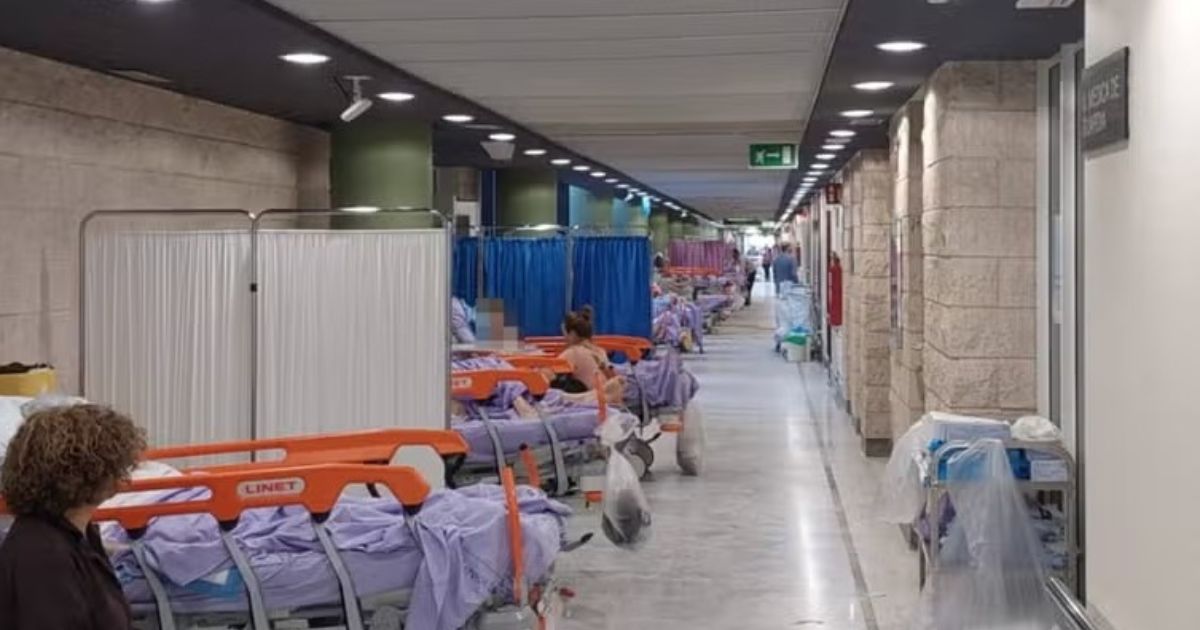
Patients have been left waiting on hospital trolleys in corridors at one of Gran Canaria’s main public hospitals, with 41 people reportedly accommodated outside normal treatment areas on Friday, 20 November. The ASACA trade union has raised concerns about privacy, hygiene and staffing at the Hospital Universitario de Gran Canaria Doctor Negrín, warning that conditions in its emergency department have become increasingly difficult for patients and healthcare workers.
The situation has brought renewed attention to longstanding pressures on emergency care in the Canary Islands, where shortages of available hospital beds can leave patients waiting for admission long after they have been assessed. At Doctor Negrín, union representatives say some patients have been eating meals while lying on trolleys in corridors, with little privacy from other patients and visitors. Relatives have also reportedly spent more than 24 hours sitting on chairs while accompanying family members awaiting treatment or admission.
According to Josué García Viñoly, a representative of the Asociación Sindical Autónoma de Canarias (ASACA), the overcrowding is not an isolated incident but part of a recurring problem that has intensified during an indefinite doctors’ strike. The union reported 41 patients in corridors at midday on Friday, 20 November, and warned that the situation could deteriorate further over the weekend. Its concerns centre on the hospital’s ability to move patients from emergency care into inpatient wards when beds are unavailable.
Patients’ dignity and access to facilities questioned
Among the union’s most serious allegations is that patients requiring assistance with washing or using the toilet have faced inadequate access to suitable bathroom facilities. García Viñoly claimed that more than 40 patients were relying on a single assisted bathroom, creating difficulties for people with limited mobility or those needing help from nursing staff. The union also described patients receiving care in open corridors, where conversations about medical conditions and personal needs could be overheard by others.
The hospital has disputed the suggestion that only one bathroom is available throughout its emergency department, stating that five bathrooms are provided for patients. Management also says additional staff have been assigned to care for those awaiting admission, although the union maintains that existing resources are insufficient to guarantee appropriate conditions. The distinction between the availability of five bathrooms overall and access to a particular assisted bathroom is important, especially for patients who cannot use ordinary facilities independently.
For patients and their families, the immediate concern extends beyond the inconvenience of waiting for a hospital bed. Remaining on a trolley in a busy corridor can make it difficult to rest, receive personal care or speak privately with medical professionals, particularly for older people and those with complex health conditions. Healthcare workers must also manage these patients alongside new arrivals requiring emergency assessment, increasing pressure on an already demanding service.
Doctors’ strike adds to existing hospital pressures
ASACA believes the current doctors’ strike has aggravated a problem that was already affecting emergency care. The union says reduced staffing and delays in discharging patients from inpatient wards have slowed the availability of beds, leaving people who require admission waiting in the emergency department. Although the union acknowledges doctors’ right to strike, it argues that hospital management should have anticipated the additional pressure and introduced more effective arrangements.
The difficulties are not solely the result of industrial action. Earlier this year, concerns about overcrowding were raised at both Doctor Negrín and the Hospital Universitario Insular de Gran Canaria, with nursing representatives describing insufficient bed availability and the use of spaces not originally intended for hospital admissions. These problems reflect a wider challenge in managing the movement of patients through hospitals, particularly when people are medically ready to leave but cannot immediately access suitable follow-on care.
The approach of winter has added to those concerns because seasonal respiratory infections can increase demand for emergency treatment. Cases of influenza, Covid-19 and other respiratory illnesses tend to place additional pressure on hospitals caring for older patients and people with existing medical conditions. ASACA fears that without improvements in staffing and bed management, the emergency department could face further difficulties as winter progresses.
Hospital expansion planned to provide 47 more places
The Canary Islands Government has already acknowledged the need to increase emergency department capacity at Doctor Negrín. In an official announcement on 30 June, the regional health department confirmed that work had begun on a €790,000 expansion intended to provide approximately 47 additional patient places. The project will increase the department’s capacity from 110 to 157 treatment places and add around 552 square metres of clinical space.
The expansion includes areas for beds and reclining chairs, medical and nursing consultations, waiting facilities and dedicated spa
ces for psychiatric and geriatric emergencies. The hospital also plans improvements to short-stay accommodation and the organisation of existing emergency facilities. The regional government originally expected the additional capacity to become available before the end of 2026, although the hospital confirmed last week that construction was still under way.
Official figures published when the project was announced illustrate the scale of demand facing the hospital. Doctor Negrín serves a population of more than 358,000 people aged over 14, with emergency activity having increased by 8% over the preceding two years to approximately 100,000 patients annually. The government also reported an increase of ten doctors and 21 nursing and auxiliary staff, alongside a rise in the emergency department’s planned expenditure from approximately €16 million in 2025 to more than €19 million in 2026.
Hospital management defends additional staffing measures
Hospital management says it has strengthened staffing in emergency care to support patients waiting for admission and that work on the expansion is progressing. These measures are intended to ease immediate pressures while increasing the department’s longer-term capacity, but the latest complaints suggest that difficulties remain despite the additional resources. ASACA is calling for more effective bed management, sufficient clinical staff and conditions that protect patients’ privacy and dignity.
The concerns are particularly significant because this is not the first time the hospital has faced criticism over its emergency facilities. Earlier in 2026, the union raised objections to the temporary use of former teaching areas for patient observation, while management said those arrangements were designed to reduce overcrowding elsewhere in the department. The repeated complaints underline the importance of completing the expansion and ensuring that additional treatment places translate into shorter waits for patients requiring inpatient care.
The immediate question is whether the hospital can reduce the number of patients waiting in corridors before seasonal demand increases further. Although the expansion is expected to provide more space, the union argues that additional beds alone will not resolve the problem unless staffing, hospital discharges and access to inpatient wards are also addressed. For patients awaiting treatment at Doctor Negrín, the priority remains timely care in surroundings that offer appropriate privacy, hygiene and comfort.