 Lorraine Williamson
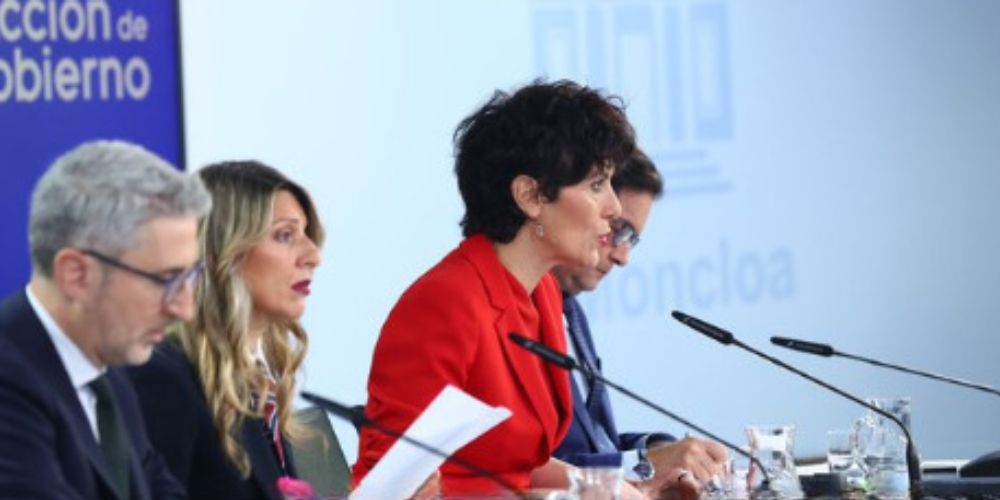
Spain’s minimum wage will rise to €1,286 gross per month from January 2027 following a decision by the Council of Ministers on Tuesday, 17 November. The 5.3% increase will benefit millions of workers, while accompanying tax changes are intended to ensure that those earning the minimum wage pay no personal income tax.
The new minimum wage, known in Spain as the Salario Mínimo Interprofesional (SMI), will increase by €65 per month across 14 payments. That brings the annual minimum salary to €18,004, an increase of €910 compared with 2026.
According to the Spanish government’s official announcement, approximately 2.7 million workers are expected to benefit from the higher minimum wage. Women, younger employees and workers in lower-paid sectors are among those most likely to be affected.
How much will Spain’s minimum wage increase?
The new rates will apply from 1 January 2027, establishing a higher legal minimum for employees working full-time. Part-time workers will be entitled to the corresponding proportional amount, depending on their contracted working hours.
The government has confirmed the following rates for 2027:
| Minimum wage | Amount |
|---|---|
| Monthly, across 14 payments | €1,286 |
| Annual gross salary | €18,004 |
| Daily minimum | €42.87 |
| Domestic workers paid hourly | €10.06 |
| Certain temporary contracts of fewer than 120 days | €60.88 per working day |
Spain’s 14-payment system generally provides for 12 monthly salaries and two additional payments, often made in summer and at Christmas. Where these extra payments are distributed across 12 months, the equivalent minimum is approximately €1,500.33 gross per month.
These figures represent gross pay before applicable Social Security contributions. Employees covered by collective bargaining agreements may already receive higher wages, and employers must continue to respect any more favourable contractual conditions.
Minimum-wage workers to receive income-tax relief
Alongside the salary increase, ministers approved tax measures intended to prevent workers earning the new minimum wage from paying personal income tax, known as IRPF.
The government has introduced a deduction of €1,033.58 for eligible earnings up to €18,004 annually. The relief will gradually decrease for those earning between €18,004 and €23,172, extending support to workers whose salaries are slightly above the minimum.
An important change concerns monthly payslips. Under the new arrangements, workers earning the minimum wage should no longer have IRPF withheld from their salaries, rather than having to wait until their annual tax return to recover the money.
The tax measure forms part of a royal decree-law that requires parliamentary validation. The government has presented it as a way to ensure that the higher minimum wage translates into an improvement in workers’ disposable income.
Andalucia among the regions with most beneficiaries
The minimum-wage increase is expected to have a particularly significant impact in Andalucia, where the government estimates that approximately 550,000 employees will benefit. Madrid follows with around 387,000 workers affected by the new rates.
Women account for more than 65% of those expected to benefit nationally, according to figures presented by Labour Minister Yolanda Díaz. Younger workers and employees in agriculture, hospitality, retail and other lower-paid occupations are also likely to see the effects of the increase.
The government argues that successive rises in the minimum wage have helped reduce wage inequality and improve living standards. However, employers’ representatives have raised concerns about the cost of higher wages and the way the decision was negotiated.
Spain’s main trade unions, CCOO and UGT, welcomed the increase but had called for a larger rise of 7%. Employers’ organisation CEOE criticised the consultation process, reflecting continuing disagreement over how the minimum wage should be set.
Public-sector workers to receive 4.5% pay rise
The Council of Ministers also approved a separate 4.5% salary increase for public-sector employees in 2027. The measure is expected to benefit approximately three million workers, including teachers, healthcare professionals, police officers and administrative staff.
The increase forms part of a wider agreement reached with trade unions in November 2025. It will take effect for central government employees from January, while regional and local authorities must make the necessary arrangements to apply the increase to their workforces.
The government has also confirmed arrangements for an additional 0.5% payment linked to inflation in 2026, subject to confirmation of the final inflation figures. This is separate from the 4.5% increase approved for 2027.
Full details of the public-sector measures are included in the Council of Ministers’ official reference.
What workers and employers should do next
Employees currently earning the minimum wage should check their January 2027 payslips to ensure the new rate has been applied. Those receiving 12 monthly payments rather than 14 should check that their annual gross salary meets the new legal minimum.
Employers and payroll administrators will need to update salary calculations, including the rates applicable to part-time staff and domestic workers. The accompanying tax changes will also require adjustments to payroll withholding arrangements.
The new minimum wage has been approved by the government, with the official legal provisions determining its implementation. Workers should monitor their payslips from January, while the associated tax measures remain subject to the parliamentary process.