 Lorraine Williamson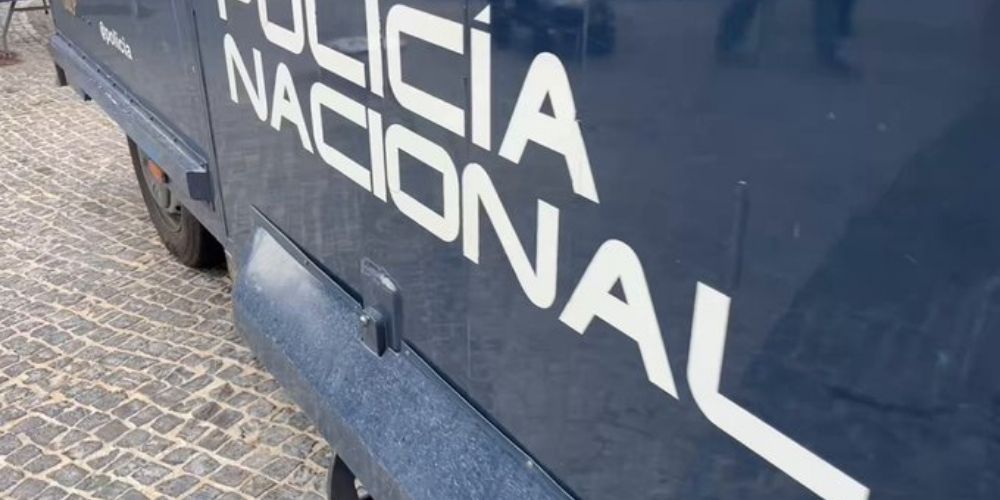
Hundreds of migrants have been affected by a major police operation in Ceuta on Sunday, as Spanish authorities moved to dismantle informal settlements near the Moroccan border. The operation involved a large deployment of officers, with adults and children taken for identification and assessment while others fled into the surrounding hills.
The operation began at approximately 7.00 am on 18 October, with officers initially deployed in Poblado Regulares before moving to the industrial area of Tarajal. It forms part of an ongoing effort to relocate people who have been living in makeshift accommodation since the mass arrivals from Morocco at the end of July.
Government representative David de la Encina said approximately 500 people had been affected, although the final figures would not be available until Monday.
Hundreds of police officers deployed across Ceuta
The operation involved around 350 police officers, according to local reporting of the government’s afternoon briefing. Specialist units were supported by helicopters and drones, while local police assisted with traffic management.
In Poblado Regulares, officers entered the neighbourhood early in the morning and began gathering people for transfer by bus. Authorities reported approximately 90 adults and 20 children in this area, although these numbers remained provisional.
The operation then moved to Tarajal, where police targeted makeshift shelters around the industrial estate and near the city’s temporary migrant reception facilities. Excavators and lorries were used to remove structures, tents and other belongings as the clearances progressed.
The government’s representative said the operation had taken place without significant disturbances or the use of force.
Migrants flee towards hills near Moroccan border
Not everyone remained at the settlements as police arrived. Several dozen people fled into the hills surrounding Tarajal, close to the Moroccan border, apparently seeking to avoid being transferred to the temporary reception centre.
EFE reported that many had previously been living in makeshift accommodation near the city’s beaches before moving towards the industrial area.
Police said the operation was intended to address the poor living conditions in these settlements and direct people towards accommodation and reception facilities established by the authorities.
What happens to those relocated?
Adults taken from the settlements are transferred to the Centro de Atención Temporal de Extranjeros (CATE), where identification and administrative procedures are carried out.
Depending on their circumstances, they may be referred to accommodation provided by the Ministry of Inclusion, Social Security and Migration or choose to return voluntarily to Morocco.
Children are subject to separate identification and assessment procedures before being referred to the relevant child protection services.
De la Encina said a significant proportion of adults transferred from Poblado Regulares had indicated that they wished to return to Morocco, but no confirmed total was available on Sunday afternoon.
Further operations planned in Ceuta
Sunday’s intervention follows earlier clearances at Playa Benítez, El Trampolín and El Guano, as authorities continue responding to the migration situation that developed after the large-scale arrivals in July.
Although initial reports suggested police had also entered Los Rosales, the government’s representative subsequently clarified that the neighbourhood had not been included in Sunday’s intervention. Los Rosales and parts of Príncipe remain among the areas where further operations are expected.
The authorities have indicated that additional interventions will take place in the coming weeks, depending on operational requirements.
A fuller account of the number of people transferred, those who returned to Morocco, and those accommodated in Ceuta is expected on Monday 19 October.