 Lorraine Williamson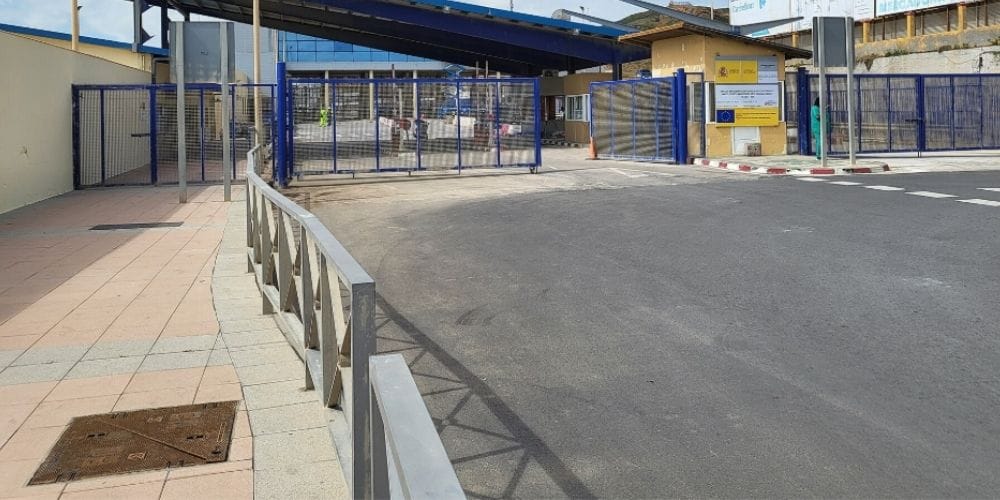
Spanish intelligence officials say Moroccan authorities knew in advance about plans for tens of thousands of migrants to enter Ceuta during July’s border crisis. A report submitted to Spain’s National Court also questions Morocco’s security response, suggesting that a lack of effective intervention contributed to the situation becoming uncontrollable.
The findings are contained in a report by Spain’s National Intelligence Centre (CNI), submitted to investigating judge María Tardón at the Audiencia Nacional. The court is examining the circumstances surrounding the mass crossings into Ceuta on 30 and 31 July 2026, when more than 70,000 people entered the Spanish territory from Morocco.
According to the CNI, Moroccan intelligence and security services had detailed knowledge of online calls encouraging people to cross the border. The report says authorities were aware of a substantial increase in migrants gathering near Ceuta in the days before the crisis.
Spain warned Morocco before the mass crossings
The CNI states that it sent an urgent warning to Moroccan intelligence services on 29 July, the day before the mass crossings began. The warning reportedly identified the scale of the online mobilisation, the anticipated timing and the possibility of attempts to enter Ceuta by both land and sea.
The intelligence service says Moroccan authorities were already aware of social media groups encouraging people to gather at the border during the celebrations for Morocco’s Feast of the Throne on 30 July. Some online groups reportedly attracted more than 180,000 users, although membership did not mean every participant intended to cross.
The CNI also communicated its concerns to Spanish authorities before the incident. Earlier disclosures about those warnings had prompted questions over how the information was handled and whether sufficient preparations had been made.
CNI describes Moroccan security response as passive
The report raises particular concerns about the response of Moroccan security forces once large numbers of people began moving towards Ceuta. Spanish intelligence officials describe the initial deployment as limited and say officers did not take sufficient action to prevent the crossings from escalating.
According to the CNI, Moroccan authorities prioritised security arrangements for the Feast of the Throne celebrations in the nearby town of Rincón, where King Mohammed VI was staying. The report suggests that this contributed to insufficient resources being available to manage the growing pressure at the border.
The intelligence assessment also states that stronger measures, including arrests and the use of crowd-control equipment, were introduced only after the largest number of crossings had already taken place.
Court investigates warnings and handling of the crisis
Judge María Tardón is examining how the mass crossings developed, what information was available beforehand and how the relevant authorities responded. The court has requested documentation from numerous Spanish police, military and intelligence units as part of its investigation.
The CNI’s latest submission adds to information previously made public about warnings sent before 30 July. Those disclosures prompted a dispute over which Spanish officials received the alerts and whether the warnings were passed to the appropriate decision-makers.
The investigation has also examined the coordination of security arrangements and the circumstances surrounding the movement of migrants towards the Spanish border. The intelligence findings are evidence submitted to the court, rather than a final judicial determination of responsibility.
Report does not establish that Morocco organised crossings
Although the CNI questions Morocco’s response, its assessment does not establish that the Moroccan government organised or deliberately encouraged the mass crossings. The distinction is important because the report addresses advance knowledge and the effectiveness of the security response, rather than proving who was responsible for organising the movement of people.
The July crisis had serious humanitarian consequences, with deaths reported during attempts to reach Ceuta by sea. It also led to renewed scrutiny of border management, Spain’s cooperation with Morocco and the government’s preparations for large-scale arrivals.
The Audiencia Nacional investigation remains ongoing. Its eventual findings will determine whether the evidence supports further judicial action, while questions surrounding the handling of advance warnings remain unresolved.