 Lorraine Williamson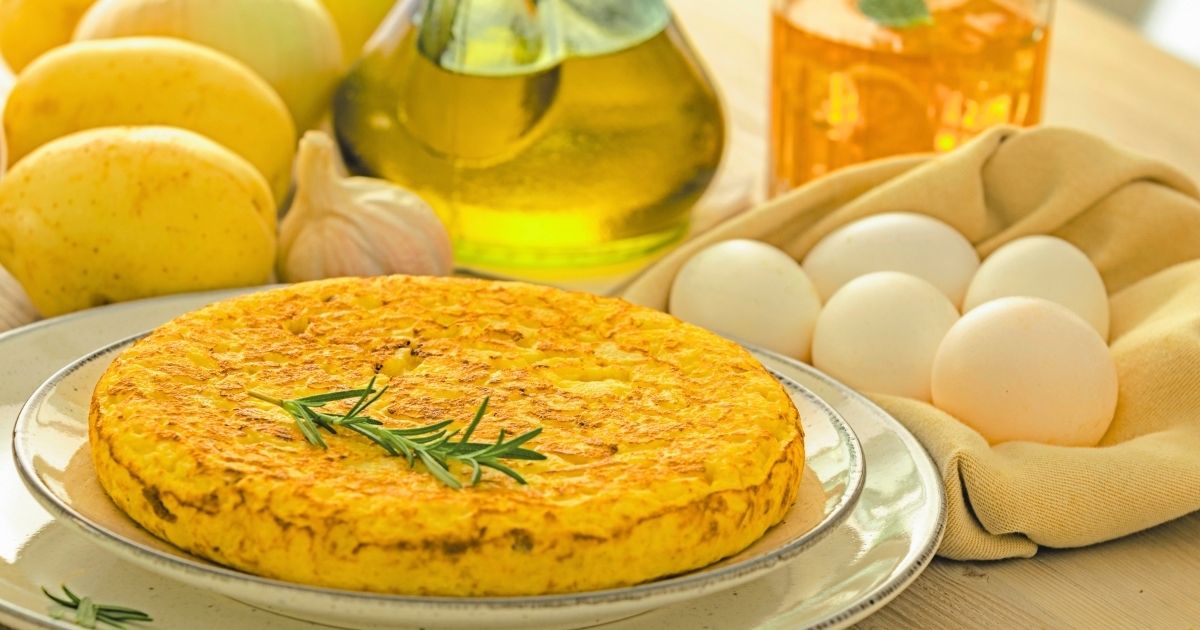
Few Spanish dishes provoke as much loyalty, argument and quiet judgement as tortilla de patatas. It appears in bars, lunchboxes, family kitchens, petrol stations and supermarket fridges across Spain.
Yet a comparison by consumer organisation OCU suggests many supermarket tortillas still struggle to match what people expect from one of the country’s most familiar dishes.
At a glance: OCU’s tortilla test
- OCU analysed 33 packaged tortillas sold in supermarkets and hypermarkets.
- Only 11 passed the overall test.
- Just four were rated as being of good quality.
- Common problems included dry texture, hard potato and poor flavour.
What OCU found in supermarket tortillas
OCU tested 33 ready-made potato tortillas and found that two out of three failed the tasting stage.
The main complaints were familiar to anyone who has bought a disappointing tortilla from a supermarket fridge: sandy texture, lack of juiciness, hard potato and poor integration between egg and potato. OCU said these problems were especially noticeable in some tortillas with onion.
Only 11 of the 33 products passed the overall test, and just four were rated as being of good quality, according to OCU.
The organisation also raised concerns about salt and additives in some products, including sodium benzoate, listed as E211.
Which supermarket tortillas did OCU rate best?
OCU’s comparison did not say all packaged tortillas were poor. A small number performed well, especially when texture and taste were taken into account.
For tortillas with onion, OCU rated Preparados de Mercadona as the best option in the test, priced at around €6.54 per kilo. However, OCU noted that it contains the preservative E211, which the organisation advises avoiding if eaten frequently.
As an alternative without that additive, OCU highlighted Al punto de Dia, priced at around €4.65 per kilo.
For tortillas without onion, OCU’s best-rated option was Corral de Monegros Fresca, priced at around €8.17 per kilo. It also scored highly in tasting, but also contains E211.
OCU pointed to Auchan from Alcampo, priced at around €4.48 per kilo, as a better alternative for shoppers wanting to avoid that preservative.
The useful lesson for shoppers is not simply to choose the “winner”. It is to check whether the tortilla needs heating, how much salt it contains and whether the ingredient list includes additives you would rather avoid.
Why tortilla is hard to package well
A good tortilla looks simple. Potato, egg, olive oil, salt and, depending on where you stand in Spain’s eternal argument, onion.
But simplicity is exactly what makes it difficult to industrialise. If the potato is too firm, the tortilla feels unfinished. If the egg is overcooked, it turns dry. If the texture is too dense, it loses the soft centre that many people expect.
Packaged tortillas also have to survive transport, refrigeration and reheating. That gives producers a food-safety and shelf-life challenge that home cooks do not face in the same way.
How to choose a better supermarket tortilla
A ready-made tortilla can still be useful. It is quick, easy and practical for a picnic, beach day, work lunch or family meal when nobody has time to cook.
OCU’s results suggest shoppers should read the label rather than relying only on brand or price. Look for a high proportion of potato and egg, moderate salt and a short ingredient list.
It is also worth checking the reheating instructions. Many packaged tortillas are designed to be warmed before eating, both for taste and texture.
Homemade tortilla: the simple version
For a classic homemade tortilla, you need only a few ingredients: potatoes, eggs, olive oil and salt. Onion is optional, although saying that too loudly in some parts of Spain may start a debate.
For four people, use around four medium potatoes, six eggs, plenty of olive oil and one onion if you like it sweeter and softer.
Peel the potatoes and slice them fairly thinly so they soften gently in the olive oil rather than crisping. If using onion, add it part way through and let it soften gently.
Beat the eggs in a large bowl, add salt, then mix in the drained potatoes. Let the mixture sit for a few minutes so the egg begins to coat everything properly.
Pour the mixture into a non-stick pan over medium heat. Cook until the edges set, then turn the tortilla with a plate and slide it back into the pan to finish the other side.
My other homemade recipe option – both are amazing
The secret is texture, not perfection
The best tortilla is not necessarily the neatest one.
A slightly uneven homemade tortilla, soft in the middle and rich with olive oil, will often beat a perfectly round packaged version. The key is slow-cooked potato, enough egg and the courage not to overcook it.
If you prefer a fully set tortilla, cook it a little longer. If you like it jugosa, soft and creamy inside, take it off the heat earlier and let it rest.
Onion or no onion?
No tortilla article can avoid the question.
In Spain, the onion debate is almost a national sport. For some, onion adds sweetness and moisture. For others, it has no place in a proper tortilla de patatas.
OCU tested both versions, but the homemade answer is simpler: cook the one you actually want to eat.
A supermarket shortcut, not a replacement
The OCU comparison does not mean all ready-made tortillas are useless. Some performed better than others, and many households will continue to buy them for convenience.
But it does confirm something many people in Spain already believe. Tortilla is one of those dishes where texture, timing and care matter.
Supermarket tortillas may save time, but the best version still usually comes from a pan, a plate and someone willing to flip it.