 Lorraine Williamson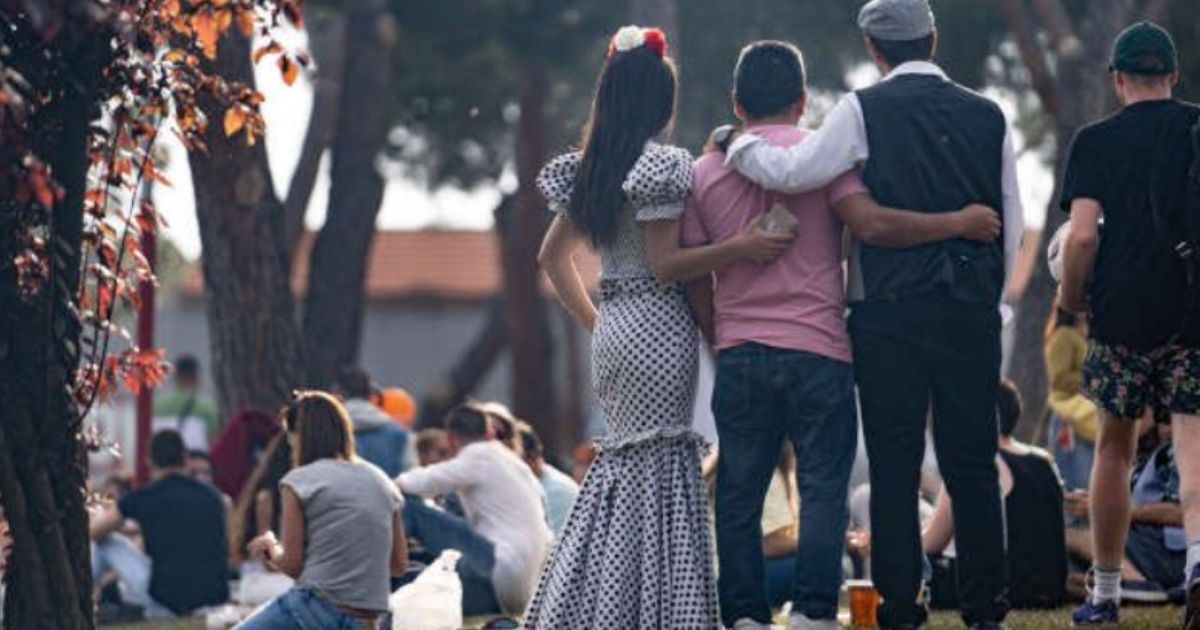
Madrid has moved into festival mode as San Isidro 2026 brings free concerts, traditional dress, family events, and open-air celebrations to the Spanish capital.
The city’s patron saint festivities officially opened with the traditional pregón on Thursday, May 7, before concerts and cultural events began filling the weekend programme. The celebrations continue until Sunday, May 17, with activity centred around the Pradera de San Isidro, Plaza Mayor, Las Vistillas, Matadero Madrid and neighbourhood venues across the city.
For residents and visitors, it is one of Madrid’s most recognisable spring events. For anyone still learning Spain’s fiesta calendar, it is also a reminder of just how many local celebrations shape life across the country.
At a glance
San Isidro 2026 runs in Madrid from May 7 to 17.
The main festival spaces include the Pradera de San Isidro, Plaza Mayor, Las Vistillas and Matadero Madrid.
Events include free concerts, chotis dancing, family activities, traditional parades, religious events and food stalls.
Typical San Isidro treats include rosquillas listas and tontas, along with Madrid-style limonada.
InSpain.news is also asking readers which Spanish fiestas, ferias and celebrations they love most.
A festival rooted in Madrid’s old traditions
San Isidro honours San Isidro Labrador, Madrid’s patron saint. The celebration has deep roots in the city’s popular culture, with locals traditionally heading to the Pradera de San Isidro for music, food and festivities.
The official tourism guide describes the festival as a mix of romería, traditional celebrations, bullfighting fair, gastronomy and a wide cultural programme spread across Madrid.
It is also one of the best times to see Madrid’s most castizo side. Chulapos and chulapas, the traditional Madrid outfits, appear across the city. There is chotis dancing, decorated streets and a strong sense of neighbourhood pride.
Yet San Isidro is not only about nostalgia. The 2026 programme also includes contemporary music, family theatre, workshops, DJs and open-air concerts.
Free concerts across the city
Music is one of the biggest draws this year.
The Pradera de San Isidro is hosting free concerts from May 8 to 17, with names including Fangoria, Rubén Pozo, David Otero, Demarco Flamenco, Las Ketchup and Los Chunguitos listed in the official programme.
Plaza Mayor also has a major concert line-up, including Miguel Ríos, Alejo Stivel, The Refrescos, Sole Giménez, Celtas Cortos, OBK, Amistades Peligrosas, Marilia from Ella Baila Sola, Nena Daconte and DePol.
Las Vistillas and Matadero Madrid are also part of the wider festival route, with verbenas, performances and music aimed at different ages and tastes.
For Saturday, May 9, Spanish music media listed David Otero among the evening performers at the Pradera, with a late DJ session from Sofía Cristo also included in the night programme.
Giants, cabezudos and family events
San Isidro is also a family festival.
The official programme includes theatre, castizo activities and entertainment for children at the Pradera de San Isidro from May 8 to 17. It also features the traditional Gigantes y Cabezudos parades, with processions scheduled for May 8, 15 and 16.
These parades are part of the visual language of Spanish fiestas. Oversized figures, music and street movement turn the city into a stage.
For visitors, they also offer a simple way to understand why local festivals matter so much in Spain. They are not just events. They are shared memories, repeated across generations.
What to eat at San Isidro
Food is part of the ritual.
San Isidro is closely linked to rosquillas, the ring-shaped pastries sold in different styles. The most famous are listas and tontas. The names translate roughly as “clever” and “silly”, although the difference is more practical than philosophical.
The listas are glazed. The tontas are simpler.
Madrid-style limonada is another classic. Despite the name, it is often made with wine, lemon, sugar and fruit, so visitors should not assume it is the same as a soft lemonade.
Why San Isidro matters beyond Madrid
Outside Madrid, San Isidro still has a wider appeal.
It is part of a bigger Spanish pattern: local identity expressed through saints’ days, ferias, romerías, music, food and public space.
Every region has its own version of this rhythm. Andalucia has its ferias. Valencia has Las Fallas. Pamplona has San Fermín. Galicia, Asturias, Murcia, Catalonia, Castilla y León, the Canary Islands and the Balearics all have celebrations that combine history, religion, folklore and modern tourism.
That is why InSpain.news is inviting readers to share the fiestas, ferias and celebrations they love most.
Some may be famous. Others may be tiny village events that barely appear in tourist guides. Often, those are the ones people remember best.
Tell us your favourite Spanish fiesta
InSpain.news is building and updating its guide to festivals and celebrations across Spain.
San Isidro is one of the country’s great spring fiestas, but it is only one part of the calendar. From flower carpets and food fairs to medieval markets, pilgrimages, beach bonfires and local patron saint days, Spain’s celebration culture changes from town to town.
So now we want to hear from readers.
Which fiesta, feria or local celebration in Spain do you love most? Is there one visitors should know about? Is there a village event that deserves more attention?
Tell us in the comments, and we may include reader suggestions in our growing Spain fiestas guide.