 Lorraine Williamson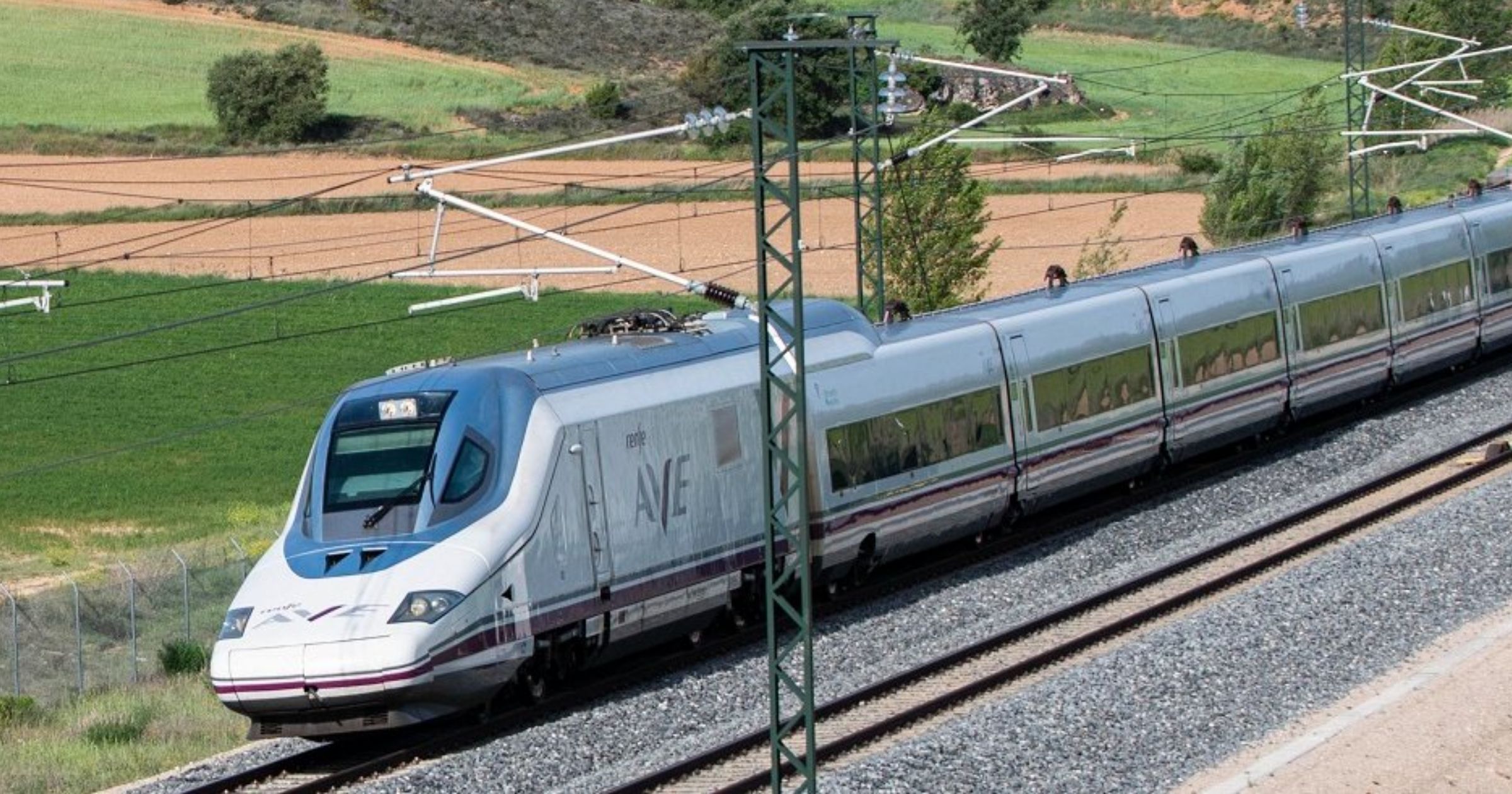
Renfe has launched the biggest high-speed rolling stock purchase in its history, approving a tender for 30 new trains worth €1.362 billion as it tries to expand capacity and move beyond the service problems that have dogged Spain’s rail network in recent months.
El País reported on Wednesday that the public operator has also left the door open to increase the order to 40 trains, which would raise the total investment to €1.777 billion.
The move gives Renfe a major long-term fleet boost at a time when demand for rail travel is expected to keep growing over the next decade. According to El País, the new trains are being designed for speeds of up to 350 km/h, above the current 300 km/h operating ceiling on routes such as Madrid–Barcelona, where infrastructure upgrades are planned.
A huge order aimed at restoring confidence
The timing matters. Renfe’s decision comes after a difficult period for Spain’s rail system, marked by repeated disruption and recent accidents that have put service reliability under intense scrutiny. El País said the purchase had originally been slowed in January after the incident on the Madrid–Sevilla high-speed line involving an Alvia train, but the operator has now pushed ahead with the tender.
Transport Minister Óscar Puente revealed the investment in Congress on Wednesday, according to El País, after personally involving himself in the search for options to renew and enlarge Renfe’s high-speed fleet. The same report said he has recently visited factories run by Hitachi Rail in Italy and Siemens in Germany, both seen as strong contenders in the process.
Costa del Sol braces as Madrid–Málaga rail disruption drags into Easter
What the new trains are expected to offer
The trains in the tender must have a minimum capacity of 450 seats and include accessible areas for passengers with reduced mobility, space for bicycles, and on-board catering such as a café service, El País reported. Renfe will assess bids on a mix of technical, economic, and maintenance criteria, with delivery times also treated as crucial.
That last point is especially important. Earlier reporting from Cinco Días had already made clear that Renfe wanted speed of delivery to carry real weight in the process because the operator is under pressure to get newer units onto the network as quickly as possible.
Delivery will take years, not months
Even with urgency built into the tender, passengers should not expect immediate change. El País said the contract will require the first five trains to be delivered within 40 months of signing, while the full fleet must arrive within 78 months, at a supply rhythm of one new train every 45 days.
That means this is not a quick fix for current rail frustrations. It is a strategic investment aimed at reshaping Renfe’s capacity and competitiveness over the medium term, particularly as Spain’s high-speed market becomes more crowded and more competitive. That reading is an inference from the scale, timeline, and context of the tender.
Why the Madrid–Barcelona line matters
One of the most significant details is the link to future infrastructure works. El País said Adif is expected to begin works this year on the Madrid–Barcelona line, where replacing sleepers should allow the current top speed to rise from 300 km/h towards the 350 km/h capability planned for the new trains.
That gives the purchase a broader meaning than a simple fleet renewal. Renfe is not just buying trains. It is preparing for a faster and more modern operating model on one of Spain’s flagship rail corridors.
A major bet on the future of Spanish rail
For passengers, the headline is simple: more trains, more seats, and a promise of a more modern high-speed service. For Renfe, the announcement is also a statement of intent after a bruising period in which punctuality, incidents, and equipment limits have damaged confidence in the network.
If the timetable holds, this order should become one of the defining transport investments of the next few years in Spain. The real test, though, will be whether it eventually translates into the thing travellers care about most: a rail service that feels more reliable, less strained and better able to cope with rising demand. That final point is an inference, but it is strongly supported by the reasons given for the tender and the scale of the investment.