 Lorraine Williamson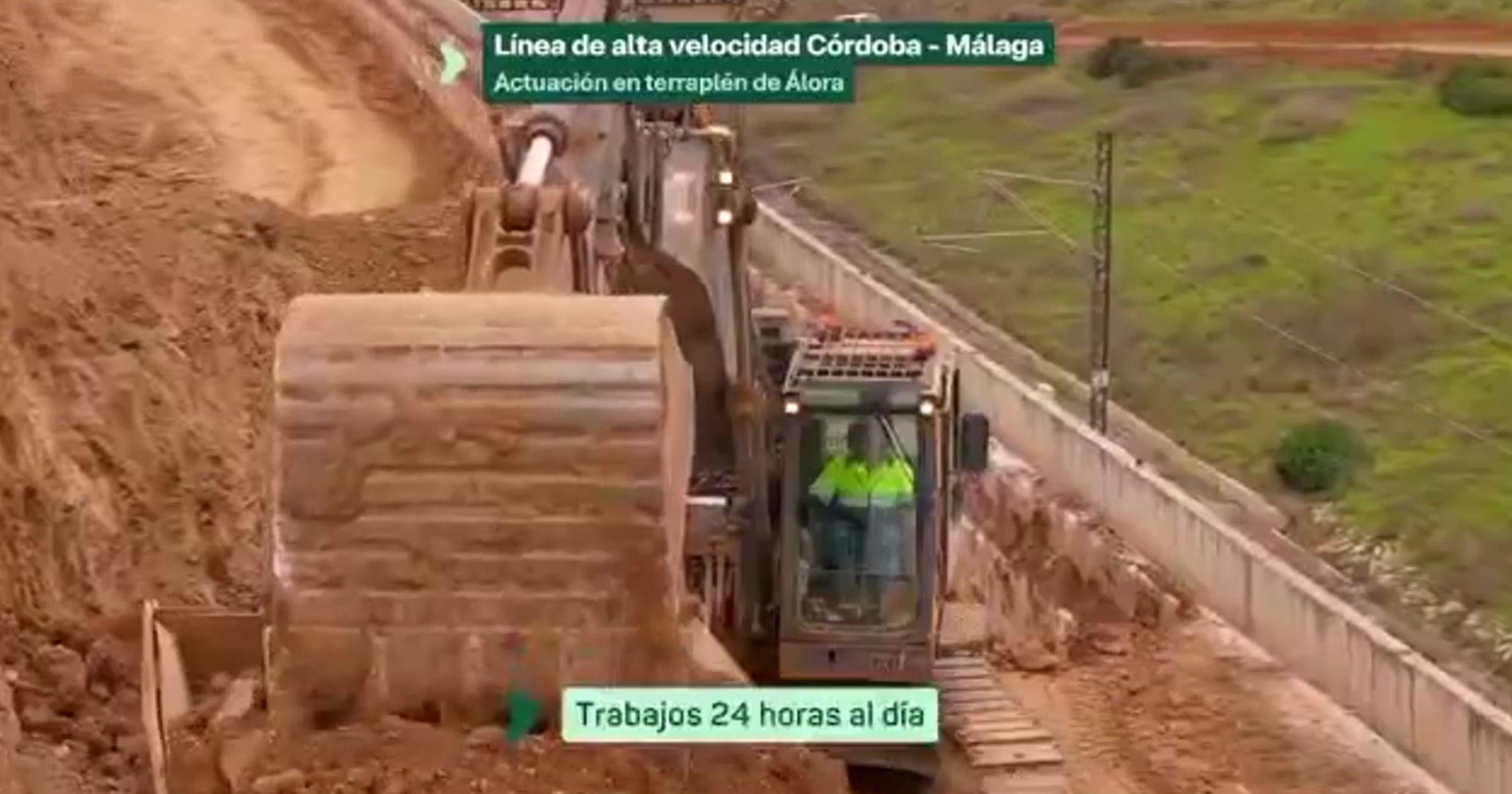
The Madrid Málaga rail disruption is casting a long shadow over Easter travel, with the direct high-speed link still out of action and tourism businesses on the Costa del Sol warning of a hit just as one of the year’s most important holiday periods gets underway.
The problem stems from storm damage near Álora, where the collapse of a retaining structure forced repairs on the high-speed line and pushed full reopening back until at least the end of April, according to Adif and recent reporting.
That timing matters. Semana Santa is one of the most valuable tourism windows of the spring, and Málaga normally depends heavily on easy rail access from Madrid and other parts of inland Spain. El País reported that the disruption had already triggered political tension and fresh criticism from the tourism sector, with uncertainty over tickets and alternatives adding to the frustration.
Why the route is still disrupted
The damage was caused by heavy rain earlier this year, and rail managers say the works cannot be rushed because the issue is one of safety rather than simple maintenance. Adif has said the terrain remains unstable and that the job involves deeper reconstruction work than first expected, which is why the original reopening target was missed.
For travellers, that means the usual direct AVE experience between Madrid and Málaga is still not back. Renfe has been operating an alternative plan in which passengers travel by high-speed train between Madrid and Antequera Santa Ana, then continue by road to Málaga. The operator says flexible changes and cancellations remain available for affected passengers.
Tourism fears on the Costa del Sol
Hoteliers and tourism bodies have been warning for days that the disruption could dent bookings, especially from the domestic market. AEHCOS has said the prolonged lack of a normal direct service could have a serious economic effect on both tourism and employment, while separate reporting has pointed to falls in reservations in Málaga city and inland areas.
There has been some disagreement over how severe the final impact will be, which is normal at this stage. Andalucía’s tourism minister Arturo Bernal said he hoped the damage could still be softened if the weather is favourable, while some hospitality voices have argued that Semana Santa may not be as weak as first feared. Even so, the mood remains cautious rather than confident.
Renfe adds seats, but the direct AVE is still missing
There is at least one positive development for passengers. Renfe announced today that it is reinforcing the Málaga–Madrid corridor for Semana Santa with 51,300 seats and 15 daily services, rising to 16 on the busiest Sundays. That should ease some immediate pressure on capacity.
But the extra seats do not change the central issue. The direct high-speed line is still unavailable, and the journey remains less straightforward than usual because of the transfer element built into the temporary plan. In other words, capacity is improving, but convenience has not been restored. That is the gap still worrying tourism businesses.
Why this matters beyond Málaga station
This shows how fragile key holiday periods can be when transport links break down. Semana Santa brings revenue to hotels, restaurants, bars, shops and local attractions across Málaga province, so even a modest drop in domestic arrivals can ripple through the wider local economy. The employment concerns flagged by business groups reflect that broader pressure.
It also keeps the political argument alive. Opposition figures and local leaders have demanded stronger alternatives and clearer communication, while the central government has insisted that safety must come first. That clash is unlikely to disappear while the disruption lasts, and Easter travellers continue to face a less direct route into Málaga.
What travellers should expect now
For now, anyone travelling between Madrid and Málaga over Easter should expect a modified service rather than the normal direct AVE journey. Renfe is keeping the route running through its alternative transport plan and has now added more seats for peak days, but the full return to normal is not expected before the last week of April.
That leaves the Costa del Sol in an awkward position at exactly the wrong time of year: connected, but not smoothly. The line may not be fully closed, yet it is still disrupted enough to affect confidence, planning and, potentially, the strength of the Easter season.