 Lorraine Williamson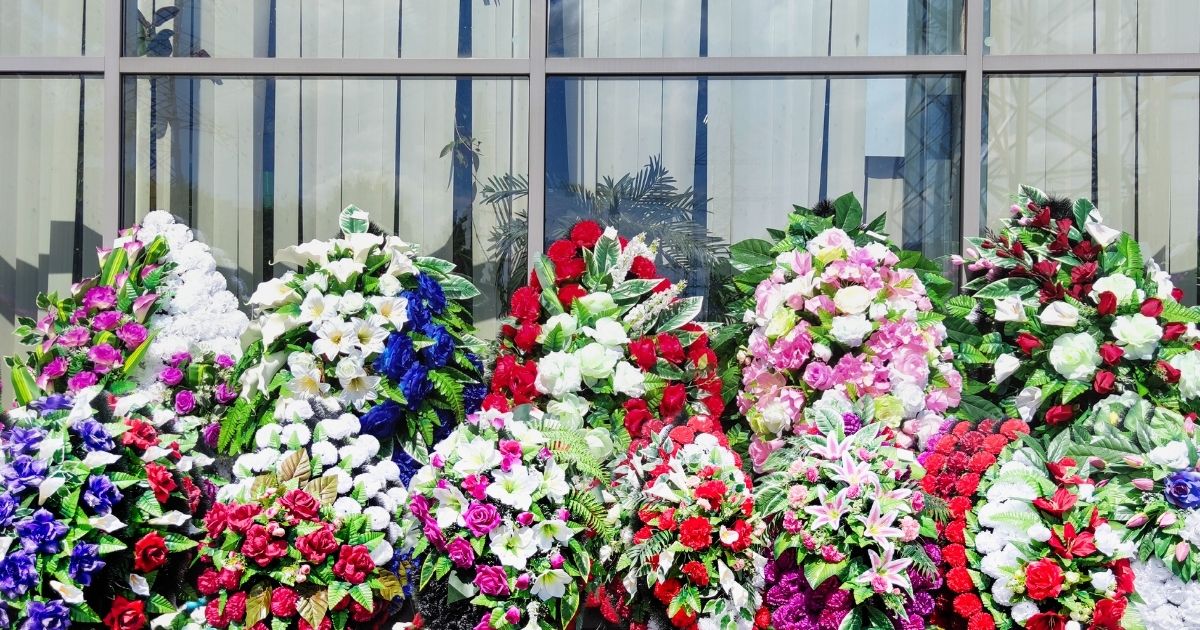
Madrid has marked the 22nd anniversary of the 11 March 2004 train bombings with tributes across the capital, as institutions, victims’ associations and political leaders gathered to remember the 193 people killed and the thousands injured in Europe’s deadliest jihadist attack.
This year’s commemorations have stretched from Puerta del Sol to Atocha, El Pozo, Santa Eugenia, calle Téllez and the Bosque del Recuerdo in Retiro, reflecting how deeply the attacks remain embedded in Madrid’s public memory. EL PAÍS reported that the main institutional tribute was held in Sol. Meanwhile, RTVE said the day’s central acts were tied to the European Day in Remembrance of Victims of Terrorism, which is observed every 11 March because of the Madrid bombings.
The date still carries enormous weight in Spain. The attacks on four commuter trains on 11 March 2004 killed 193 people and injured more than 2,000, according to current official and media commemorative coverage. Madrid City Council, RTVE and EL PAÍS all referred to the scale of the loss in Wednesday’s remembrance events.
Tributes across the city, not just one ceremony
One reason 11M continues to resonate so strongly is that the memory of the attacks is spread across several places rather than one single site. Wednesday’s programme included floral tributes and memorial acts at the stations and neighbourhoods directly affected, alongside official ceremonies led by institutions and victims’ groups. Europa Press said the day’s commemorations ran from Puerta del Sol through to El Pozo and other key locations, while Madrid City Council confirmed the AVT’s solemn act in the Bosque del Recuerdo.
That wider map of remembrance matters. It reflects the reality of 11M itself, which struck different parts of Madrid’s commuter network in one of the darkest mornings in modern Spanish history. More than two decades on, the city still commemorates the attacks not only with speeches, but with physical presence in the places where lives were torn apart.
The message this year: memory, solidarity and peace
There has also been a clear effort in today’s commemorations to connect memory with civic responsibility. RTVE reported that the King and Queen underlined that the memory of the victims remains alive, while other public remarks focused on solidarity and the duty to resist hatred and violence. Separately, Cadena SER reported that Pedro Sánchez used the anniversary to call for fighting hate as part of honouring the memory of 11M.
Victims’ associations and unions made a similar point. Europa Press reported that representatives stressed the need for peace and said they did not want history repeated, giving the anniversary a tone that was not only commemorative but also cautionary.
Spain’s main institutions also marked the anniversary online. Casa Real said the memory of terrorism’s victims “remains alive” and that their dignity continues to unite society in defence of freedom, justice and coexistence. Prime Minister Pedro Sánchez also used the day to reaffirm Spain’s commitment to memory, justice and convivencia, saying the 193 lives lost in the 2004 attacks remain forever in the country’s collective memory.
The act of remembrance
1M is not just a date in the past. It remains one of the defining events of contemporary Spain, shaping national debates about terrorism, public resilience, emergency response and collective memory. Each anniversary brings a familiar question: how does a country remember an atrocity without letting it fade into ritual? Wednesday’s answer from Madrid has been clear — by returning, year after year, to the names, places and people at the centre of the loss.
That is why the story still belongs on the front page. Not because the facts are new, but because the act of remembrance is. On 11 March 2026, Madrid has once again stopped to honour the victims, acknowledge the survivors and remind itself that the impact of 11M did not end in 2004.