 Lorraine Williamson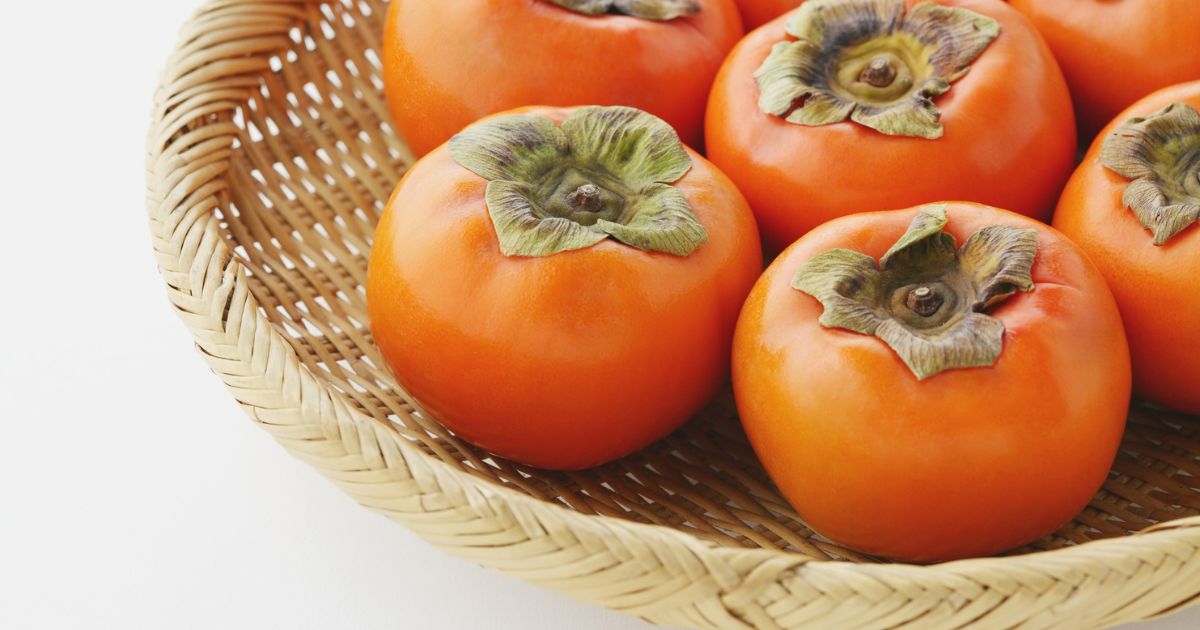
Drive through parts of the Ribera del Xúquer these days, and the old Valencian postcard feels slightly out of date. The orange still matters. But the crop that’s increasingly reshaping the landscape is the kaki — the persimmon that many shoppers now recognise by its firm bite and almost honeyed sweetness.
This isn’t a sudden revolution. It’s a slow replanting, field by field, driven by economics, risk, and the search for a crop that stacks up in modern European supermarkets.
A new flagship fruit in the Ribera del Xúquer
Valencia has grown persimmons for decades, but the boom is now hard to ignore. Official regional figures indicate that kaki cultivation in the Comunitat Valenciana spans 13,970 hectares, with approximately 440,974 tonnes of production in 2024 — a scale that underscores how mainstream the crop has become.
The centre of gravity is the Ribera del Xúquer, where the best-known fruit is the Rojo Brillante variety. A Protected Designation of Origin strengthens its status: DOP Kaki Ribera del Xúquer, recognised within Spain’s quality schemes and under EU rules.
Why growers are switching crops
The simplest explanation is money. Citrus can be profitable, but many growers say margins have been squeezed by rising costs, volatile harvests and tough market conditions. That pressure is playing out across Spain as the Ministry has warned that the 2025/26 citrus season is forecast to be the lowest in 16 years nationwide — a reminder that “normal” harvests are no longer guaranteed.
Against that backdrop, kaki has looked like a better bet for some farms: a fruit with strong branding, export demand, and a defined season that retailers can build campaigns around.
The “health” halo — and why it sells
Persimmons also arrive with an easy sales pitch: bright colour, sweet flavour, and a nutrition profile that fits the health-conscious aisle. They’re widely described as a source of fibre and linked to vitamins such as vitamin A, alongside other plant compounds.
That matters because growers aren’t just farming a fruit now — they’re farming a story. A recognisable “good for you” reputation helps kaki compete for shelf space in a crowded European market.
This doesn’t mean the Valencia orange is finished
Talk of the orange being “replaced” makes for a neat headline, but it misses the scale and cultural weight of citrus in the Valencian Community. The region remains Spain’s biggest citrus heartland by cultivated area, and oranges still anchor jobs, exports and local identity.
What is changing is the sense of certainty. For many farms, diversification is becoming a survival strategy — and kaki is one of the clearest examples.
The risk hiding inside the boom
Kaki’s rise comes with its own vulnerabilities. A successful crop can lure too many hectares too quickly, creating over-supply risk and heavy dependence on export markets. The sector has also had to wrestle with pests and weather disruption in recent campaigns, which is a reminder that no single fruit is a guaranteed winner.
The smarter question, then, isn’t whether Valencia will choose kaki or oranges. It’s whether the region can build a more resilient mix — keeping citrus strong while letting newer crops carry part of the load.
A different future for a famous farming region
Valencia will still be associated with oranges for a long time. But the fields are signalling something else: a pivot towards crops that can command better prices, fit new consumer habits, and survive a harsher climate and market reality.
For shoppers, it means more persimmons in winter baskets. For farmers, it’s a bigger decision — balancing tradition with what pays the bills now, and what might still pay them in ten years’ time.
Sources: MAPA, Generalitat Valencia, Ministerio de Agricultura