 Lorraine Williamson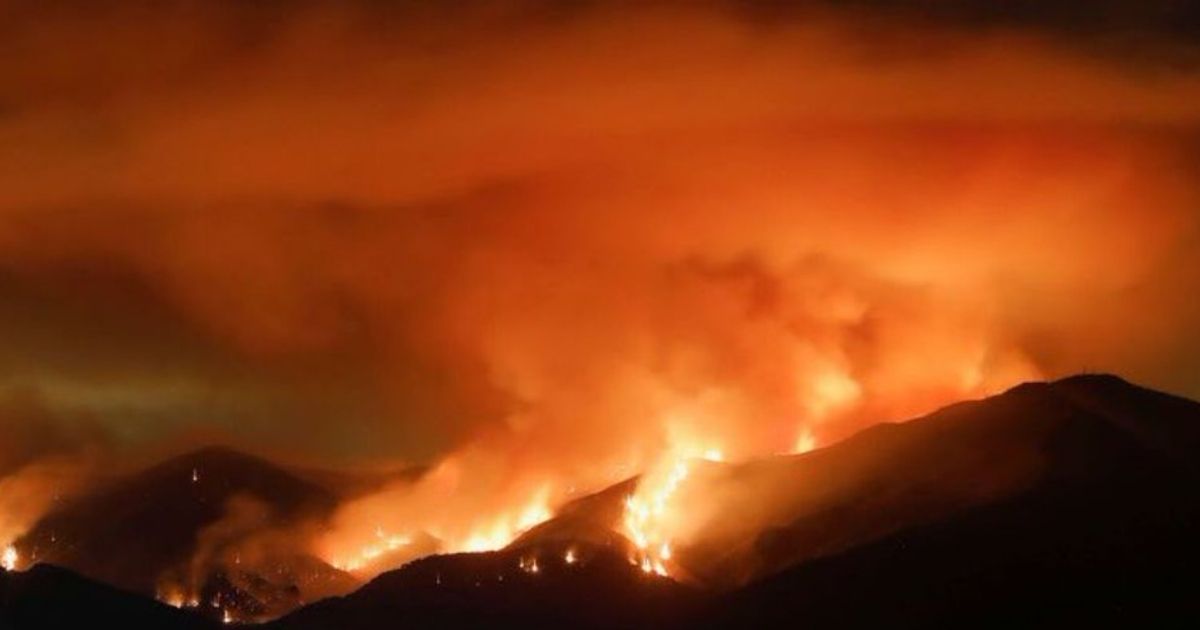
Spain’s wildfire season is no longer waiting for July. Before the country has even reached the heat of summer, more than 22,000 hectares have already burned, according to EFEverde and EFE. That is around twice the usual figure for this point in the year and a warning sign for residents, visitors, and rural communities across Spain.
For years, wildfire anxiety in Spain centred on the hottest months. Now, spring is increasingly part of the danger period.
The first 100 days of 2026 have already brought enough burned land to raise concern. MITECO’s provisional figures for the first quarter recorded 12,946 hectares burned by 31 March, while EFFIS satellite-based data put the figure above 22,000 hectares by early April.
Different systems, same message: the season has started early.
Why smaller fires still matter
Not every wildfire becomes a headline-grabbing disaster. Many are put out quickly. But small fires can still cause serious cumulative damage.
They burn scrubland, pasture and woodland. They pressure emergency teams. They damage habitats before the driest months even arrive.
That matters because Spain still has the hardest part of the year ahead.
The north is already feeling the pressure
The early fire risk has been especially visible in northern and north-western Spain.
Cantabria, Asturias, Galicia and Castilla y León have all faced repeated outbreaks. In some areas, warm conditions, dry vegetation and strong southerly winds have helped flames spread faster than expected.
These regions do not always fit the tourist image of wildfire Spain. Yet they are often among the first to feel the impact when spring turns dry and windy.
Cantabria wild fires
A human problem, not only a weather problem
The weather makes fires spread. However, people often make them start.
Spanish wildfire data regularly links early-year outbreaks to burning practices in rural areas, including scrub clearance, pasture renewal and agricultural waste burning. Some fires are deliberate. Others begin as routine land management and then get out of control.
That distinction matters legally. But for firefighters and affected communities, the result can look the same.
What residents and visitors should remember
The practical message is simple: fire risk is already here.
That means no garden waste burning where prohibited, no barbecues in natural areas, no cigarette ends from cars, and extra care with machinery that can spark near dry vegetation.
For walkers, cyclists, campers and rural homeowners, spring now needs the same caution many people once reserved for August.
A warning before the real heat arrives
The worrying part is not only what has burned already. It is what could come next.
Spain has entered spring with a high early fire toll, and summer is still ahead. If drought, wind and heat intensify, 2026 could become another difficult year for Spain’s forests.
The figures are not just a statistic. They are an early warning.