 Lorraine Williamson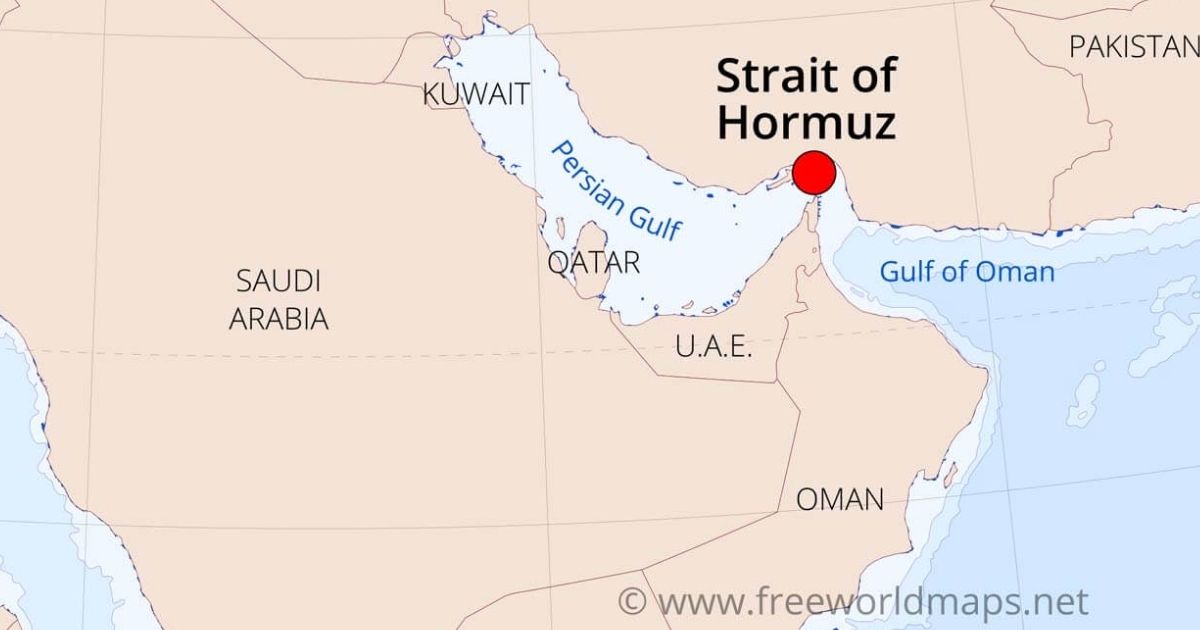
Spain has approved the release of up to 11.5 million barrels from its strategic oil reserves over the next 90 days, as the government responds to supply disruption linked to the partial closure of the Strait of Hormuz. Energy Minister Sara Aagesen said the move would be carried out in phases, with the first release due to begin within 15 days.
The decision places Spain inside a wider international response. Reuters reports that the release is in line with the International Energy Agency’s plan to free up to 400 million barrels globally, as governments try to cushion the impact of instability in one of the world’s most important energy shipping routes.
For Spain, the political and economic significance is obvious. The country is not just reacting to a distant geopolitical crisis; it is trying to limit the knock-on effects on supply, prices, and consumer confidence before they feed more sharply into the wider economy. Even when shortages begin elsewhere, the public tends to feel the pressure first through fuel costs, transport, and the broader mood around inflation. That is what makes this more than a technical energy story.
What it could mean for prices
The timing is also notable. Only days earlier, Spain backed the IEA’s proposed reserve release, signalling that Madrid was already preparing for a more serious market shock if the Strait of Hormuz remained disrupted. Tuesday’s announcement turns that support into concrete action.
Spain’s decision also comes as disruption in the Gulf continues to ripple through global shipping. Reports on Wednesday indicated that thousands of seafarers remain stranded in the region, with international efforts underway to establish safe transit corridors through affected waters. While Spain’s reserve release is designed to stabilise supply at home, the wider situation remains volatile, and any prolonged disruption in the Strait of Hormuz could continue to put pressure on energy markets in the days ahead.
The bigger question now is whether this remains a short-term stabilising measure or the start of a longer energy squeeze. Spain has moved quickly, but the wider risk will depend on how long the disruption lasts and whether global markets calm in time.
Spain rejects Strait of Hormuz military mission amid Iran conflict