 Lorraine Williamson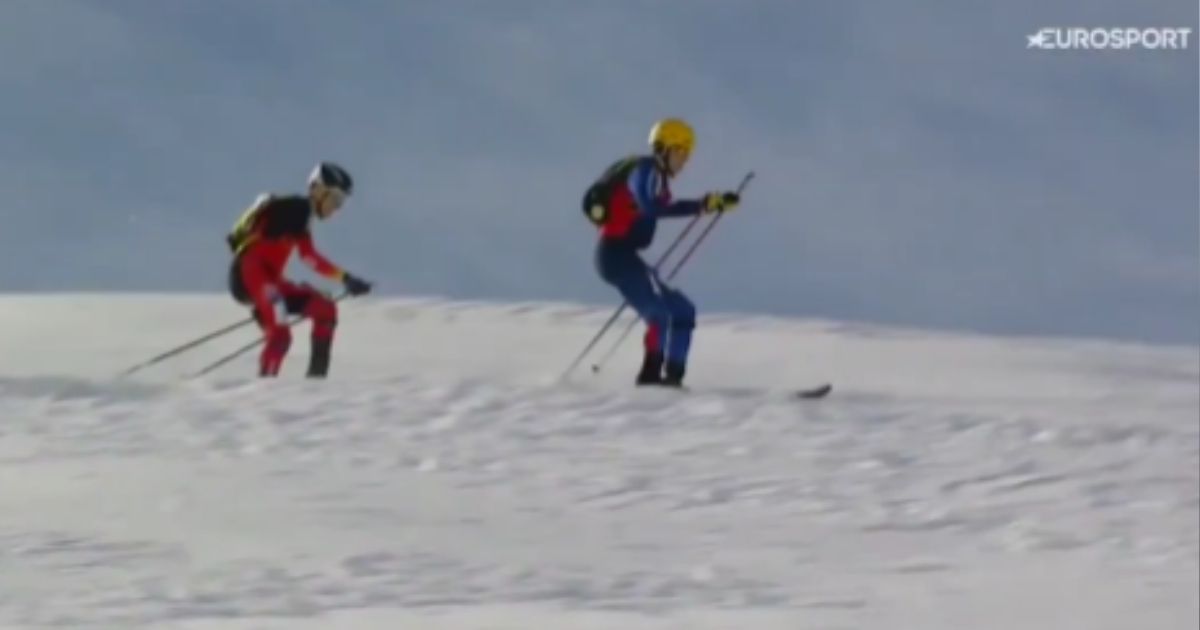
Spain is heading to the Milano Cortina 2026 with something it rarely carries into a Winter Games: depth. A 20-strong delegation is set to compete across snow and ice disciplines, matching Spain’s biggest-ever Winter Olympic team and signalling how much the sport has shifted at home.
This is not a nation suddenly pretending it has become Norway. It is, however, a country with better pathways, sharper specialisms, and a couple of athletes capable of turning a good week into a headline.
A winter team that feels broader than the stereotype
The headline number matters because it hints at momentum. Spain’s squad is spread across alpine skiing, cross-country, snowboarding, figure skating, speed skating and — crucially — ski mountaineering, which makes its Olympic debut in Italy.
Development has not come out of nowhere. Spain’s training ecosystem is stronger than it was a decade ago, helped by modernised high-mountain facilities in the Pyrenees and in Sierra Nevada, plus more Spanish athletes living on the international circuit for longer stretches of the season.
Where the medal maths looks best
If you strip away the romance and keep only the probability, Spain’s clearest medal routes narrow quickly.
-
Ski mountaineering (skimo): the new event where tiny margins can flip a final.
-
Snowboarding: a proven Olympic pipeline, with genuine finals potential.
-
Everything else: progress and visibility, but medals would require a near-perfect storm.
Skimo: Spain’s best podium logic
Skimo is the sport to watch because it is new to the Olympic programme and unforgivingly tight. The best specialists are separated by seconds, transitions are brutal, and one small mistake can erase a lead.
That’s where Oriol Cardona comes in. He has been collecting World Cup results and arrives with form that makes Spain’s medal talk feel less like wishful thinking and more like a plausible scenario — especially in sprint formats and the mixed relay.
Snowboarding: a silver medalist and a chaos event
Spain has a modern Olympic reference point in Queralt Castellet, whose halfpipe pedigree keeps her in the conversation whenever she’s healthy and landing clean. Halfpipe is not “easy medals”, but it is a discipline where a nailed run can change everything in minutes.
Then there’s snowboard cross, which is rarely predictable and often ruthless. Lucas Eguibar thrives in that kind of disorder, where tactics, contact and split-second decisions decide who survives to the final.
On the ice: credibility, but fierce competition
Spain’s ice dance story is now built around Olivia Smart and Tim Dieck, a partnership that has steadily climbed into the European mix. The challenge is that ice dance is stacked, with depth that can punish even small technical losses.
In speed skating, Nil Llop gives Spain a foothold in a sport dominated by heavyweight systems. Qualification and personal bests are the realistic targets, with finals the stretch goal.
Alpine and cross-country: the top-10 battlefield
Alpine skiing is where Spain hopes to disrupt rather than dominate. Quim Salarich brings experience and the kind of slalom profile that can produce a surprise result on the right day.
Cross-country remains a long game — important for building winter-sport identity, but brutally competitive when the traditional powers arrive with entire programmes built around endurance snow sports.
Flag bearers, opening night — and the dates that matter
Spain’s flag at the Opening Ceremony will be carried by Smart and Salarich, an intentional pairing of ice and snow, experience and visibility.
The Opening Ceremony is scheduled for 6 February 2026 at San Siro, with the Games running from 6 to 22 February across Milan and Cortina d’Ampezzo venues.
Italy’s organisers are also wrestling with real-world logistics — including transport constraints in the mountain venues — which could shape the spectator experience even if it doesn’t change what happens on the snow.
The realistic expectation — and why it still matters
So, what should Spain expect? The most grounded forecast is one medal chance that looks genuinely “live”, with skimo and snowboarding offering the clearest pathways. Anything beyond that would be a bonus.
But the bigger story is structural. This team is not a one-off novelty. It is evidence that Spain is building a wider winter base — more athletes, more finals potential, and more reasons for young competitors to believe there’s a route from Spanish mountains to Olympic start gates.
And that is how countries become winter nations: slowly, quietly, and then all at once.
Sources: COE, Olympics, Mundo Deportivo