 Lorraine Williamson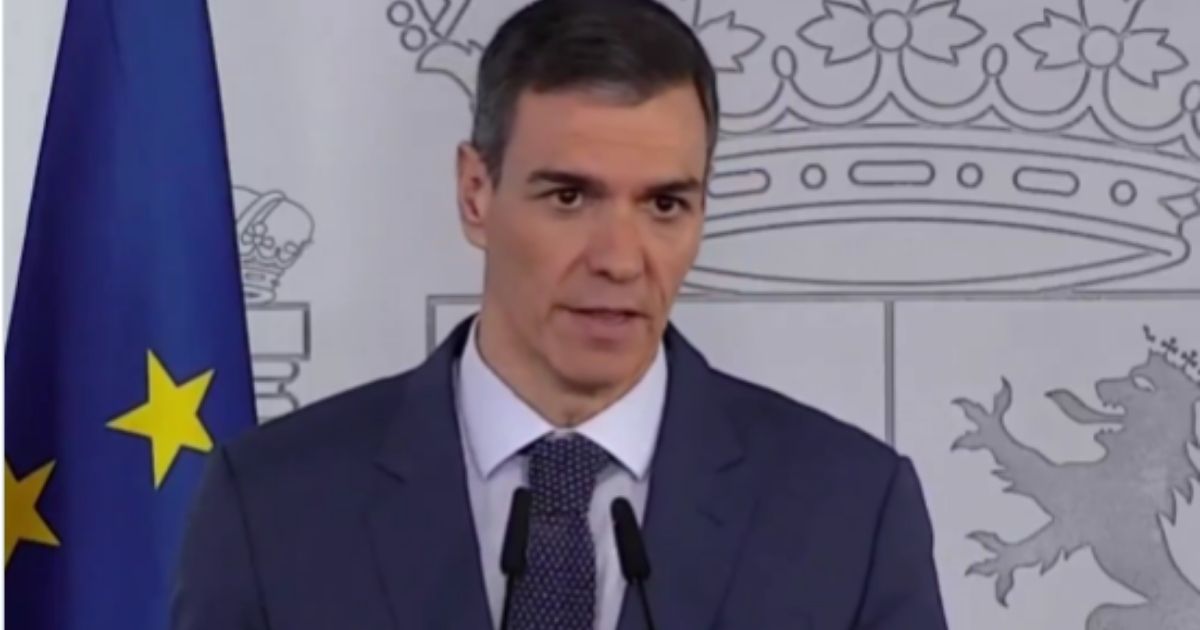
Spain is rolling out a broad new relief package aimed at cushioning households and businesses from the economic shock of the Middle East crisis, with lower taxes on fuel and electricity, support for key sectors, and a temporary rent freeze at the centre of the plan. Announcing the measures on Friday, Prime Minister Pedro Sánchez said the government’s Integral Response Plan contained around 80 measures, would come into force the next day (today), and would mobilise more than €5 billion.
According to Sánchez, the package is designed to benefit 20 million households and 3 million companies across Spain, underlining the scale of what the government is presenting as a national economic shield. The measures were approved after an extraordinary cabinet meeting and form part of Madrid’s attempt to limit the knock-on effect of rising energy prices on everyday life.
What is changing for households
For most readers, the headline measures are the cuts to energy taxation and the rent freeze. The government says electricity taxes will be reduced by 60%, the special electricity tax will fall to the EU minimum of 0.5%, and VAT on electricity will drop from 21% to 10%. VAT on natural gas, briquettes and pellets will also be reduced to 10%, while the maximum sale price of butane and propane will be frozen.
Fuel is also part of the package. Moncloa said taxes affecting petrol and diesel prices would be reduced to the lowest level allowed under EU rules, with an effective saving of up to 30 cents per litre depending on the fuel. The government said that could mean around €20 saved on filling the tank of an average car.
On housing, ministers approved a separate decree establishing a temporary freeze on rental prices. That addition matters politically as well as socially. Reuters reported that housing support had become a point of tension inside the governing coalition before the final package was agreed.
Help for vulnerable households and key sectors
The package goes beyond tax cuts. The government said enhanced electricity social-bonus discounts will remain in place until the end of the year, and vulnerable households will continue to be protected from having essential utility supplies cut off.
There is also targeted help for sectors exposed to rising fuel and energy costs. Transport operators, farmers and livestock producers are set to receive fuel support of 20 cents per litre, while energy-intensive industries will benefit from an 80% reduction in electricity network tolls. Moncloa said that it should save those industries around €200 million and help protect jobs.
That reflects a familiar pattern in Spain’s crisis management. From the pandemic to the energy shock triggered by Russia’s invasion of Ukraine, Madrid has repeatedly reached for broad consumer support combined with targeted aid for strategic sectors. The difference this time is that ministers are moving against a backdrop of fresh geopolitical instability and renewed concern over imported energy costs across Europe. Reuters noted that Italy and Germany are also weighing or pursuing their own responses to the latest price spike.
Why the government says it is acting now
Prime Minister Pedro Sánchez said the war’s economic impact could not be ignored, even by countries far from the front line. He argued that the new measures would not stop the crisis from reaching Spain, but would make its effects less damaging for homes and businesses. Moncloa said the two decrees will take effect after publication in the BOE, while Reuters reported that the measures still require congressional approval, meaning the political battle is not over yet.
That is the key point for readers. The package is substantial and politically significant, but its longer-term future will depend on parliamentary backing. In the short term, though, the message from the government is clear: lower energy taxes, a brake on rent rises, and another attempt to stop an international crisis turning into a domestic cost-of-living surge.
Why this matters now
For households across Spain, this is not just another macroeconomic story. It is about whether electricity bills become manageable, whether filling the car costs less, and whether renters are spared yet another jump in monthly outgoings. After several years in which inflation, housing pressure and energy volatility have repeatedly battered family budgets, the government is betting that fast relief will matter more than ideology.
Whether that support survives the parliamentary test is the next question. For now, Spain has moved earlier than many European neighbours, and millions of households will be watching closely to see how quickly the promised savings appear in real life.