 Lorraine Williamson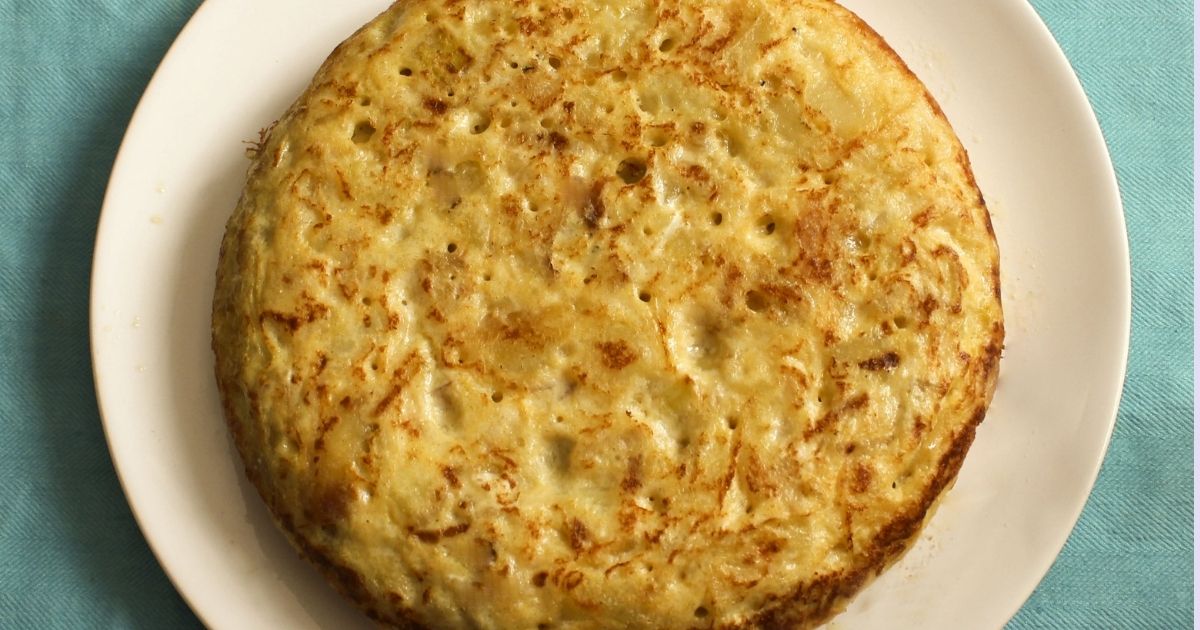
Rain may have disrupted the open-air celebrations, but Fuenlabrada Día de la Tortilla is still drawing attention this weekend through a town-wide tortilla route involving 62 bars and restaurants. For a tradition rooted in local identity as much as food, that says plenty about how firmly this annual date remains embedded in the city’s calendar.
The best-known public activities linked to Santa Juana were postponed because of bad weather. Even so, the gastronomic side of the event has gone ahead, turning the focus back to what many locals care about most: sharing tortilla, backing neighbourhood businesses and keeping a much-loved custom alive.
A local tradition with deep roots
In Fuenlabrada, 9 March is tied to the feast of Santa Juana, a date that has long been associated with heading outdoors with family and friends to eat tortilla de patata in parks, green spaces and the countryside. Over time, what began as a religious and popular tradition evolved into one of the city’s most recognisable community celebrations.
That historical link is part of the reason the day still matters. It is not simply a food fair or a themed municipal event. It is one of those local customs that blends memory, identity and habit, with tortilla acting as the edible thread that connects generations.
The 2026 route puts local bars centre stage
This year’s Feria de la Tortilla has run from 5 to 8 March, with 62 hospitality venues taking part across the city. According to Fuenlabrada City Council, each participating venue has been offering a tortilla skewer for €2.50, with some also serving up to two additional tapas based around egg, potato or both.
The route is also competitive. Diners can vote digitally for their favourite tortilla or tapa, with the overall winner named best tortilla in Fuenlabrada and additional prizes awarded by district. People taking part in the voting are also entered into a draw to win one of five €50 meals or dinners at participating venues. Last year, more than 3,000 votes were recorded, underlining how seriously the city takes its tortilla debate.
That mixture of low-cost food, civic pride and local rivalry helps explain why the event has grown. Across Spain, food routes and tapa trails have become an increasingly important way for towns to support independent hospitality businesses. In Fuenlabrada, the tortilla remains the star.
Rain halted the outdoor programme, but not the event’s momentum
The biggest setback this year came from the weather. The City Council announced on 6 March that the open-air programme planned for the Parque Ferial on Saturday 7 March would be postponed because of adverse conditions. Activities planned for Monday, 9 March in Loranca and the Parque de los Derechos Humanos were also pushed back to a later date.
Those postponed events included family activities, inflatables, workshops, music and the preparation and distribution of a giant tortilla designed to serve 2,000 portions.
That could easily have taken the sting out of the celebrations. Instead, the tortilla route has kept the event visible and given residents another reason to support local businesses over the weekend.
More than a food festival
One reason Fuenlabrada Día de la Tortilla has endured is that it sits somewhere between festival, neighbourhood tradition and economic boost. The council has framed the event as part of its wider support for local commerce and hospitality, while the public has embraced it as something far more personal.
In practical terms, it is about where to get the best tortilla in town. In cultural terms, it reflects a broader Spanish habit of anchoring community life around food, especially when a traditional dish carries emotional weight. Tortilla de patata is humble, familiar and endlessly arguable. That makes it perfect festival material.
What happens next for Santa Juana celebrations
The official outdoor programme has been postponed rather than cancelled outright, so Fuenlabrada is still expected to reschedule the family-focused celebrations at a later date. Meanwhile, the winning bars and restaurants from this year’s route are due to serve their award-winning pinchos again from 13 to 15 March at the same €2.50 price.
For now, that leaves Fuenlabrada with a slightly unusual 2026 edition: less parkland party, more tapas trail. Yet the core idea has survived intact. Even with the rain getting in the way, Día de la Tortilla has once again shown that some local traditions are strong enough to adapt without losing their flavour.