 Lorraine Williamson
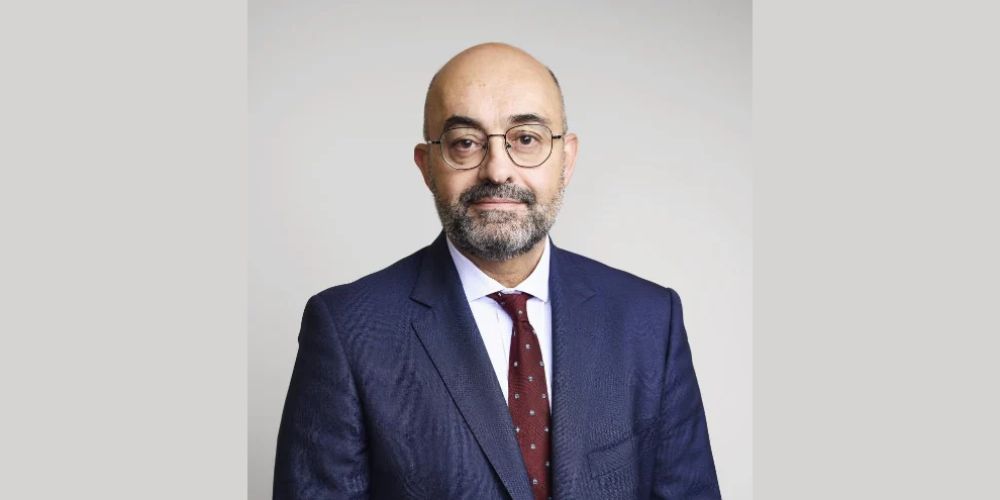
Spain’s railway infrastructure chief, Luis Pedro Marco de la Peña, has resigned just a day after Transport Minister Óscar Puente stepped down, leaving the government facing a growing leadership crisis as questions mount over the safety of the country’s railway network.
Marco de la Peña, who had led the state-owned infrastructure operator Adif since September 2024, submitted his resignation on Wednesday, 4 November, during a meeting with Carlos Cuerpo, who has temporarily taken responsibility for the Transport Ministry. Cuerpo accepted his departure and thanked him for his work, according to government sources cited by EFE.
The resignation comes a week after the high-speed train disaster near Urda, in Toledo province, which claimed 69 lives, and follows another fatal railway accident at Adamuz, Córdoba, earlier this year. Together, the two tragedies have intensified scrutiny of Spain’s railway infrastructure, its safety procedures and the political leadership responsible for overseeing the network.
Two senior resignations in 24 hours
The departure of Adif’s president follows Tuesday’s resignation of Óscar Puente, who stepped down after appearing before Congress to explain the circumstances surrounding the Urda disaster. Puente said he could no longer remain in office after two major railway accidents in less than a year, regardless of whether he bore direct responsibility for either tragedy.
Prime Minister Pedro Sánchez subsequently appointed Carlos Cuerpo, who also serves as first deputy prime minister and economy minister, to oversee the Transport Ministry temporarily. The government must now fill two of the most important positions in Spain’s railway administration while dealing with the aftermath of the accidents and increasing public concern about the safety of high-speed travel.
Cuerpo has described Marco de la Peña’s resignation as an appropriate decision, emphasising that it was voluntary rather than a dismissal. Speaking to Spanish television, he said the former Adif president had given reasons similar to those expressed by Puente, while identifying the restoration of public confidence as one of the government’s principal challenges, according to Europa Press.
Railway safety and investment under scrutiny
The government has already approved additional railway safety measures intended to strengthen supervision and improve operational procedures, particularly when automatic safety systems fail, and trains must operate under exceptional conditions. The proposed changes also include improvements to staffing, communication and technology in Adif’s control centres, although their effectiveness will depend on how quickly they are introduced and consistently applied.
Marco de la Peña’s final day in office also included a meeting of Adif’s board, which approved a new funding framework for the period from 2026 to 2030. Cuerpo subsequently referred to plans to increase railway investment by as much as 50% over the next five years, bringing the total to almost €19 billion, as the government attempts to address concerns about infrastructure maintenance and long-term reliability.
For passengers, the immediate issue is whether these commitments will translate into safer journeys and more dependable services. Spain’s high-speed railway network has long been an important part of the country’s transport system, connecting major cities and providing an alternative to domestic flights, but the recent tragedies have placed its safety arrangements under unprecedented scrutiny.
The new Transport leadership must also deal with planned industrial action by railway workers, adding further pressure at a time when passengers are already concerned about disruption. Discussions with unions, the implementation of safety improvements and the appointment of new senior officials will all be important in determining how quickly the government can stabilise the situation.
No successor to Marco de la Peña had been announced in the reports available on Thursday morning. With investigations into the fatal accidents continuing, the government faces the difficult task of providing answers to victims’ families while demonstrating that the railway system can operate safely and reliably.