 Lorraine Williamson
Police have arrested 128 people following violent disturbances in central Barcelona on Saturday evening, with 72 of those detained aged under 18. What began as a gathering promoted through social media descended into widespread vandalism, looting, and confrontations with police around one of the city’s busiest shopping districts.
The latest figures released on Sunday morning reveal the extent of the damage, with 23 businesses affected and 33 fires reported. Investigators are examining how the gathering spread through social media and whether some participants had discussed looting before arriving in the city centre.
Violence erupts around Plaça de Catalunya
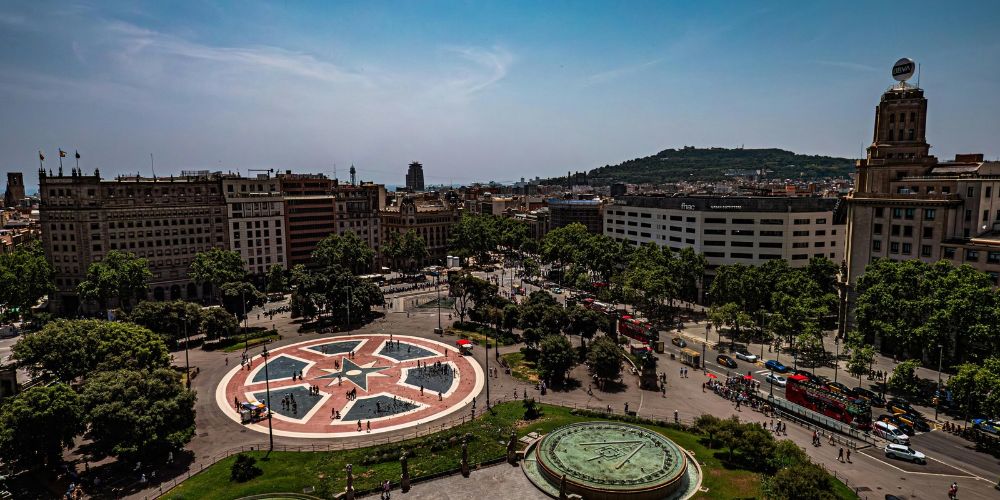
Hundreds of young people gathered in central Barcelona on Saturday 24 October following an unauthorised demonstration promoted through social media. The gathering began at around 6.00 pm near Plaça de Catalunya, a major transport and shopping hub popular with residents and tourists.
As the evening progressed, groups of participants, some dressed in black and wearing face coverings, began overturning bicycles and motorcycles, damaging street furniture and setting rubbish containers alight. Makeshift barricades appeared in surrounding streets, while stones and other objects were thrown at officers attempting to restore order.
Businesses in the area lowered their shutters as the disturbances spread, with some shops reporting broken windows and stolen merchandise. Police units from the Mossos d’Esquadra and Barcelona’s Guardia Urbana were deployed to contain the violence and disperse those involved.
More than half of those arrested are minors
The scale of the arrests became clearer on Sunday morning when police revised the initial total of approximately 100 detentions to 128. Of those arrested, 72 are minors, representing 56% of the total.
According to the latest police information, 122 of those detained are male and six are female. Only two of those detained reportedly had previous records for public-order offences, although others had criminal records relating to different offences.
The unusually high proportion of minors has raised questions about how the gathering developed and the role of online platforms in encouraging young people to participate. The latest figures were reported on Sunday morning by Antena 3, citing the Mossos d’Esquadra.
Shops looted and dozens of fires reported
The disturbances caused considerable damage to businesses and public infrastructure around Plaça de Catalunya. Sunday’s updated assessment identified 23 commercial premises that had been vandalised or looted, compared with an initial estimate of 14.
Emergency services recorded 33 fires, many involving rubbish containers, street furniture and improvised barricades. Motorcycles and bicycles were also overturned or damaged, while police reported confrontations involving thrown objects.
The violence prompted an extensive security operation involving hundreds of officers from the Mossos d’Esquadra and Barcelona’s municipal police. According to the latest figures reported by EFE, 15 officers were injured, including 14 Mossos officers and one municipal officer. Four sustained serious injuries, and four officers remain off duty because of their injuries.
How social media helped organise the gathering
Investigators believe the demonstration was promoted through TikTok, with WhatsApp and Telegram groups subsequently used to coordinate participants. The mobilisation circulated under slogans associated with student discontent and opposition to the established system, drawing comparisons with recent youth protests in France.
However, police are examining evidence that some participants had discussed criminal activity before arriving in the city centre. Messages reportedly included instructions concerning shop looting, avoiding police surveillance and reselling stolen goods.
Although the gathering was promoted through social media, police have cautioned against describing the violence as a fully coordinated operation. Mossos chief commissioner Sílvia Catà told Catalan broadcaster 3Cat that participants were largely disorganised. Investigators are continuing to examine online communications and identify those responsible for individual acts of violence and looting.
Catalan authorities condemn the violence
Catalan president Salvador Illa condemned the disturbances, stressing the distinction between the democratic right to demonstrate and acts of violence, intimidation and destruction. He expressed support for the police response and said those responsible would face consequences.
Barcelona mayor Jaume Collboni also condemned the attacks on businesses and public property, announcing that the city council intended to pursue legal action. Catalonia’s interior minister, Núria Parlon, backed that position and warned that the incidents would not go unpunished.
Officials have also sought to distinguish Saturday’s violence from peaceful demonstrations held elsewhere in the city, including an existing protest camp campaigning over housing. The authorities have said the disturbances should not be attributed to that separate movement.
Police investigation continues
By late Saturday evening, police had largely dispersed the groups involved, and firefighters had extinguished the reported street fires. Investigators are now reviewing the communications used to organise the gathering, identifying suspected organisers and establishing the full extent of the damage.
The latest arrest figures also raise questions about the involvement of minors and the influence of online mobilisation. Authorities are examining whether similar gatherings could be organised in Barcelona or other European cities.
The total number of arrests and the final assessment of damage may change as investigations continue. For now, Saturday’s events represent a serious episode of public disorder in one of Spain’s most visited city centres, with the consequences likely to extend beyond the immediate police operation.