 Lorraine Williamson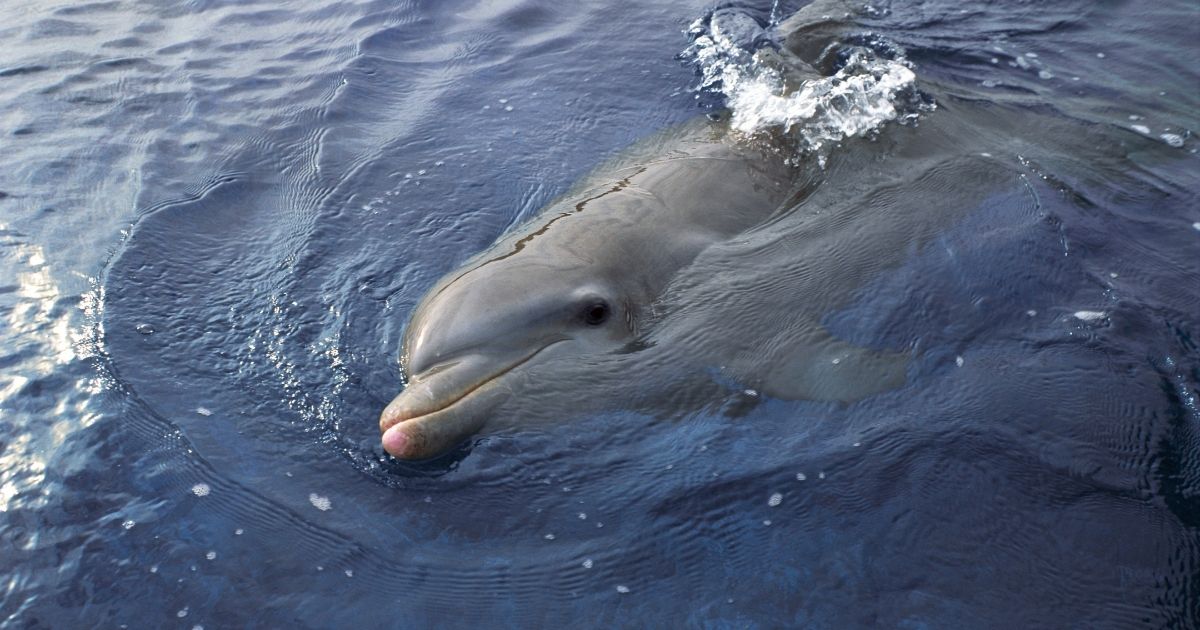
Two stranded pilot whales were safely guided back into open water off the Costa Brava on Friday morning after quick-thinking beachgoers and a Mossos d’Esquadra officer stepped in to help on Sant Pol beach in Sant Feliu de Guíxols. Spanish reports said the rescue was carried out with telephone guidance from the marine rescue foundation CRAM after the animals were spotted close to the shoreline at around 8.00 am.
The episode has struck a chord because it offered a rare good-news wildlife story at the start of a busy spring weekend. While dolphins are not unusual off the Catalan coast, pilot whales are less commonly seen so close to shore, making the rescue both unusual and visually powerful.
An early morning alert on Sant Pol beach
According to local reporting, a woman who noticed the two animals near the waterline called 112, triggering the emergency response. Mossos were then alerted, and when officers arrived, two young people who had been exercising nearby joined a female officer in the water to help the stranded animals.
CRAM, the specialist marine rescue organisation, reportedly assessed the situation remotely after reviewing footage and then explained how the animals should be handled. The rescuers first helped place the pilot whales in a more stable position before gently guiding them back towards deeper water, where they were able to swim away by themselves.
Why these animals stood out
Some reports described the animals as dolphin-like, but they were identified as calderones, or pilot whales, a species that usually lives further offshore. Along the Catalan coast, the species more commonly seen are striped dolphins and bottlenose dolphins, while pilot whales are much less frequent visitors close to beaches.
That detail matters because strandings involving larger cetaceans can quickly become dangerous both for the animals and for people trying to help. Rescue protocols exist for a reason, and the involvement of CRAM appears to have been key to ensuring the intervention was done properly rather than impulsively. This is an inference based on the reported sequence of events and the fact that CRAM authorised and guided the rescue.
A reminder of what to do when marine animals strand
The Sant Feliu rescue also highlights a point many beachgoers may not know: when marine mammals strand on the coast, the first call should be to 112, not an improvised rescue attempt. The local authority said the operation followed protocol, with emergency services contacting specialists so the animals could be assessed before anyone intervened.
That is especially important in spring and summer, when more people are using Spain’s beaches and coastal paths. Even well-meant attempts to push an animal back into the sea can do more harm than good if the animal is injured, distressed or disoriented. In this case, witnesses said the pilot whales showed no obvious signs of illness and may simply have become confused in shallow water.
Galicia trawling incident
A rare uplifting coastal story
Thanks to ordinary people acting fast on a Costa Brava beach, the situation ended with the best possible outcome for the animals.
At a time when many wildlife stories are warnings, restrictions or environmental decline, Sant Feliu de Guíxols has offered something different: a brief moment of calm teamwork on the shoreline, and two pilot whales heading back out to sea.