 Else Beekman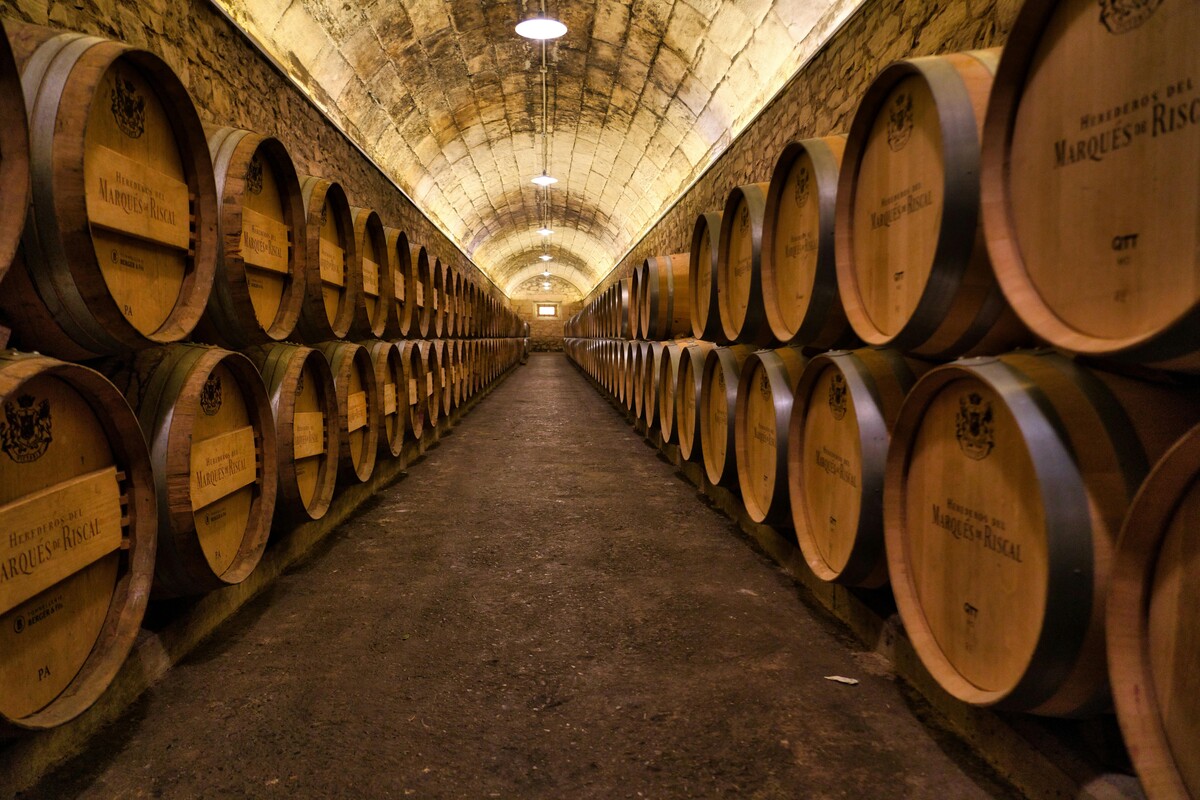
When you think of Spain’s wine regions, places like Castilla-La Mancha, Galicia, Catalonia, Andalucía, Rioja, and Ribera del Duero immediately come to mind. Those who want to experience these regions often come during harvest season in September and October. But you might be missing an excellent time to experience these regions: the shoulder season.
Off-peak trips are increasing in popularity
The figures from Spain’s National Institute of Statistics (INE) show that traditionally off-peak or shoulder-season months are becoming an extension of summer. From seeing record highs of over 11 million international tourists in July 2025 and 11.2 million tourists in August of the same year, Spain saw an extension of summer in September and October, with over 9.7 million and 9.2 million tourists visiting respectively before tapering off toward the end of the year. This aligns with projections that September isn’t off-peak season anymore, and many travellers are starting to rethink their plans in line with these changing trends.
Why early spring is better for wine, food, and culture
Based on the latest INE data, the true shoulder season turns out to be the months of March and April until early spring, when visitor numbers are lower than the peak summer and autumn months, but the weather is more forgiving than the off-peak winter period.
There are many benefits to travelling in shoulder season: better prices, fewer crowds, and a certain ease that comes with fewer people travelling but attractions still being open. This is discussed in greater detail in this guide to shoulder season travel.
In Spain, while most tourists choose to visit during harvest season to participate in the festival fare and grape-stomping activities, those who visit the wine regions in the springtime will get to have a different experience. You get the similar mild weather, but with flora beginning to bloom and vineyards turning green with new life. And because there is a consistent flow of tourists, the vineyards and wineries tend to have more availability for tours, allowing you to enjoy the experience at a more leisurely pace.
Where to explore during shoulder season

Pexels
Milder days make it perfect to explore outdoor locations like Rías Baixas, where you can taste Albariño wine while exploring watermills, estuaries, and fishing villages; or the island of Tenerife, a countryside setting featuring Canarian wine and tapas from local vineyards that produce from more than 20 species of vines around the world.
The most historic wineries tend to be less crowded during this season as well. Places like Palacio de los Mencos in Navarra and the Don Carlos winery in Aranda, offer guided tours that allow you to discover each place’s rich history as well as the wine culture in each area.
Several wine tours also include cultural shows and experiences. The Bodegas Roda tour includes a rickshaw ride through the fields between the Sierra de Cantabria and the Cordillera Ibérica. The La Mancha culture and gastronomy tour takes you through Campo de Criptana, whose windmills were made famous in the novel Don Quixote de La Mancha, before taking you to a 19th century winery for tasting and appetizers.

Because you’re not tied to peak season schedules and tours, you can plan out these wine visits according to your availability and how early in the shoulder season you visit. In the northern wine regions, where temperatures can change drastically as you approach summer, it’s best to visit earlier in March, while the southern wineries can be more forgiving in the weeks closer to peak season.
Spain’s official tourism website also offers guidance on wine tasting tours, with recommendations and prices included to help you plan more efficiently.
Travelling and exploring with intention
Choosing to visit Spain’s wine regions during the shoulder season affords you a more intentional, slow-paced travel experience, allowing you a chance to truly absorb the wine culture and history. It makes for a more memorable holiday, one that will stay with you long after you’ve finished that last drop of wine.
Why camping in Spain is no longer just a summer holiday